
Loading, please wait...
LOT 2522
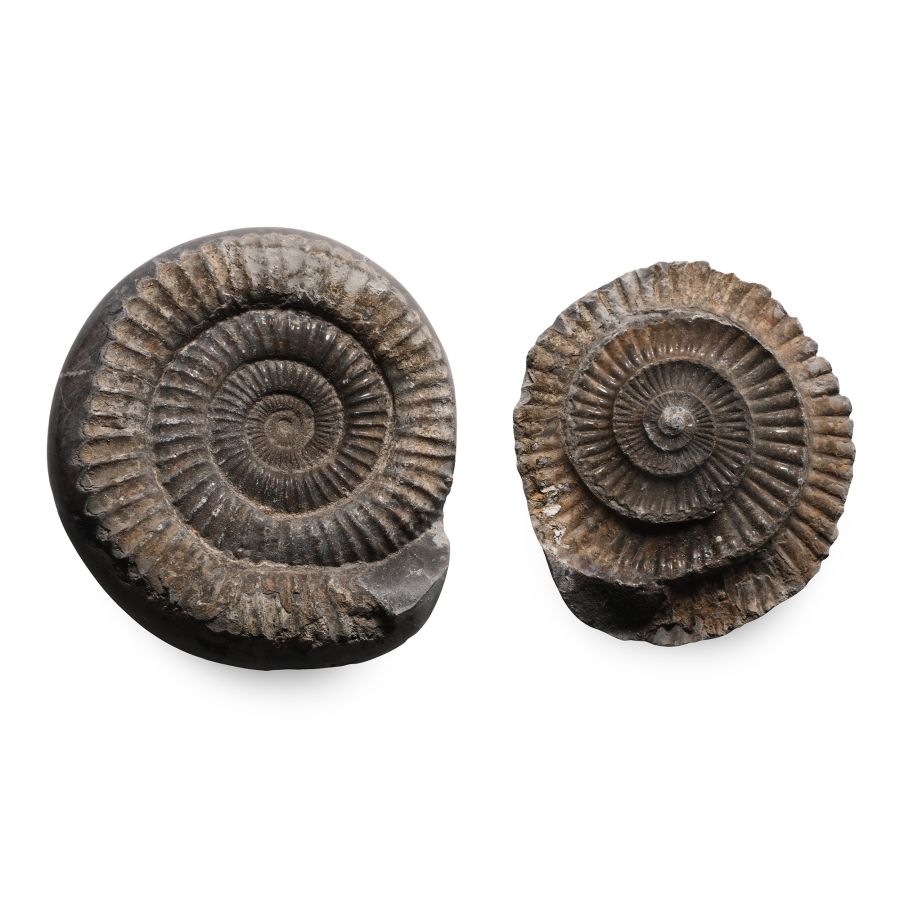
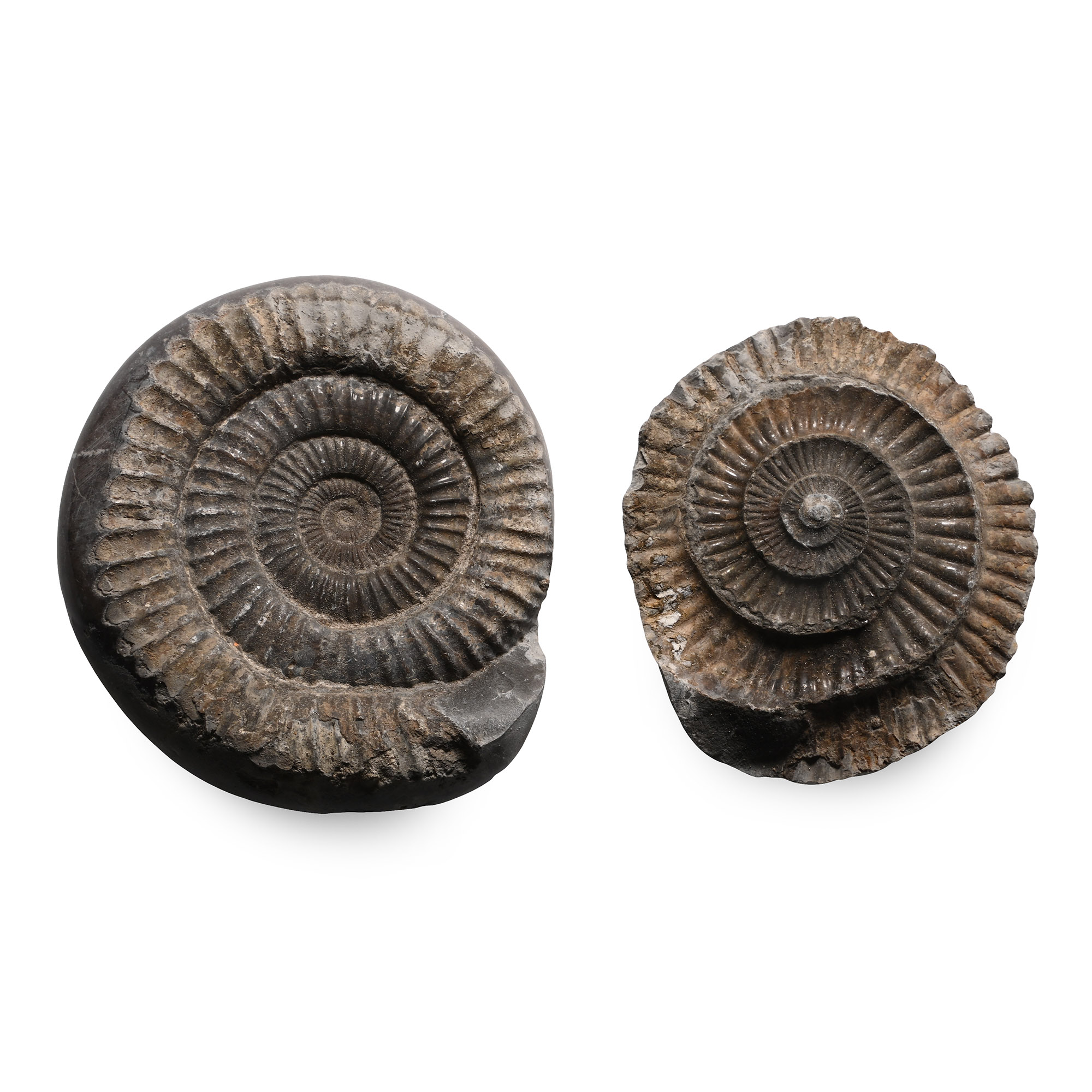
Whitby Dactylioceras Fossil Ammonite Nodule
JURASSIC PERIOD, TOARCIAN STAGE, CIRCA 180 MILLION YEARS B.P.
2 1/4 - 2 3/4 in. (211 grams total, 59-69 mm).
An opened pebble containing a Dactylioceras commune specimen. [No Reserve]
ProvenanceFrom the Yorkshire coast.
From a Lincolnshire, UK, collection.
TimeLine Auctions follows a vetting process to ensure the authenticity and legality of all items, reinforcing our commitment to integrity and responsible trading. Each antiquity, antique, and coin lot undergoes thorough examination by a vetting committee of at least ten external specialists, professional trade association members, scientists, and archaeologists: Our Vetting Process
AUCTIONS:
TimeLine is a leading auction house specialising in antiquities, ancient art, collectables, natural history, coins, medals, and books. Our auctions offer museums, collectors, historians, and enthusiasts the opportunity to acquire unique and historically significant pieces.
-
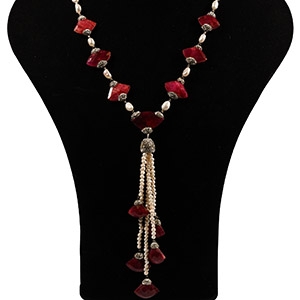
Ruby-Coloured Stone and Pearl Bead Necklace
20th century A.D.Sold for (Inc. bp): £98
A restrung designer necklace of 1920's style composed of river pearls and facetted fan-shaped stones with moulded caps set with crystals, central features composed of five pearl drops with similar stones. 82 grams, 63 cm
From the family collection of a Hampstead gentleman; formerly acquired in the 1980s. -
![Pyrite Crystal Mineral Group [100]](https://timelineauctions.com/upload/images/items/small/227998-s.jpg)
Pyrite Crystal Mineral Group [100]
Sold for (Inc. bp): £7
Comprising a large quantity of nuggets formed of small crystals showing characteristic striations. 1.03 kg total, 14-32 mm
From Peru. Ex Mineral Imports, London, UK. Gregory, Bottley & Lloyd (Gregory's), Harwich, UK. -
![Selenite Satin Spar Wand Group [50]](https://timelineauctions.com/upload/images/items/small/228184-s.jpg)
Selenite Satin Spar Wand Group [50]
Sold for (Inc. bp): £26
Comprising fifty cut sections showing satin-like lustre. 927 grams total, 50-71 mm
Ex Mineral Imports, London, UK. Gregory, Bottley & Lloyd (Gregory's), Harwich, UK.
