
Loading, please wait...
LOT 1322
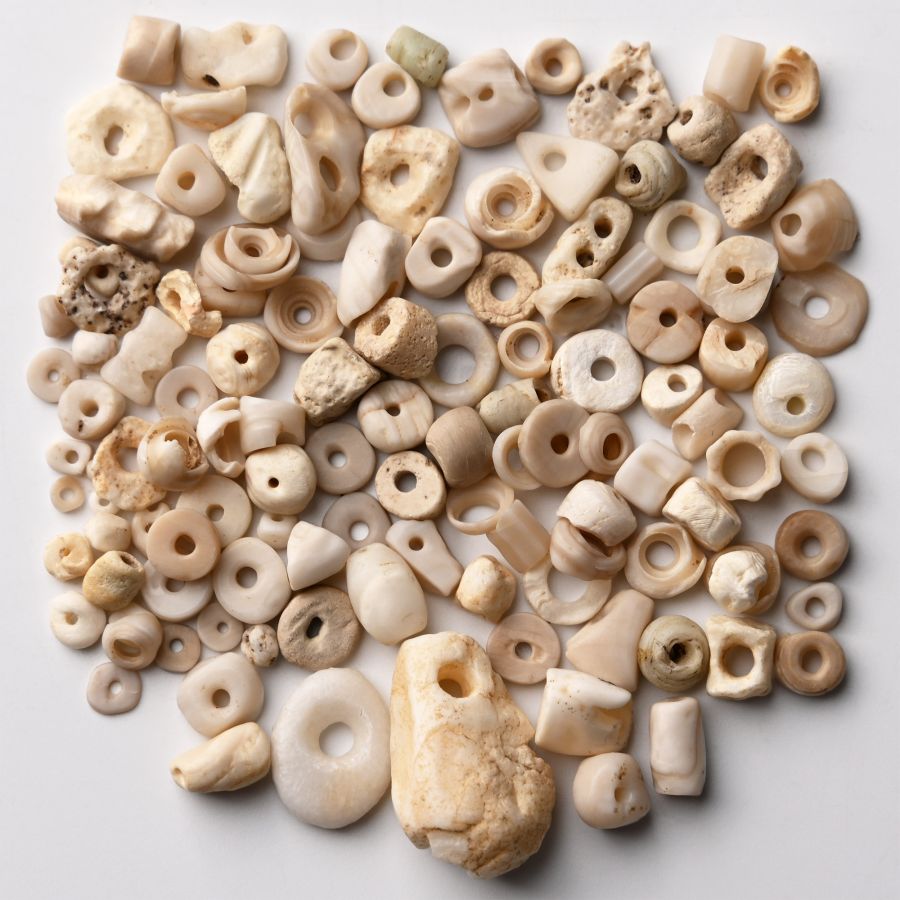
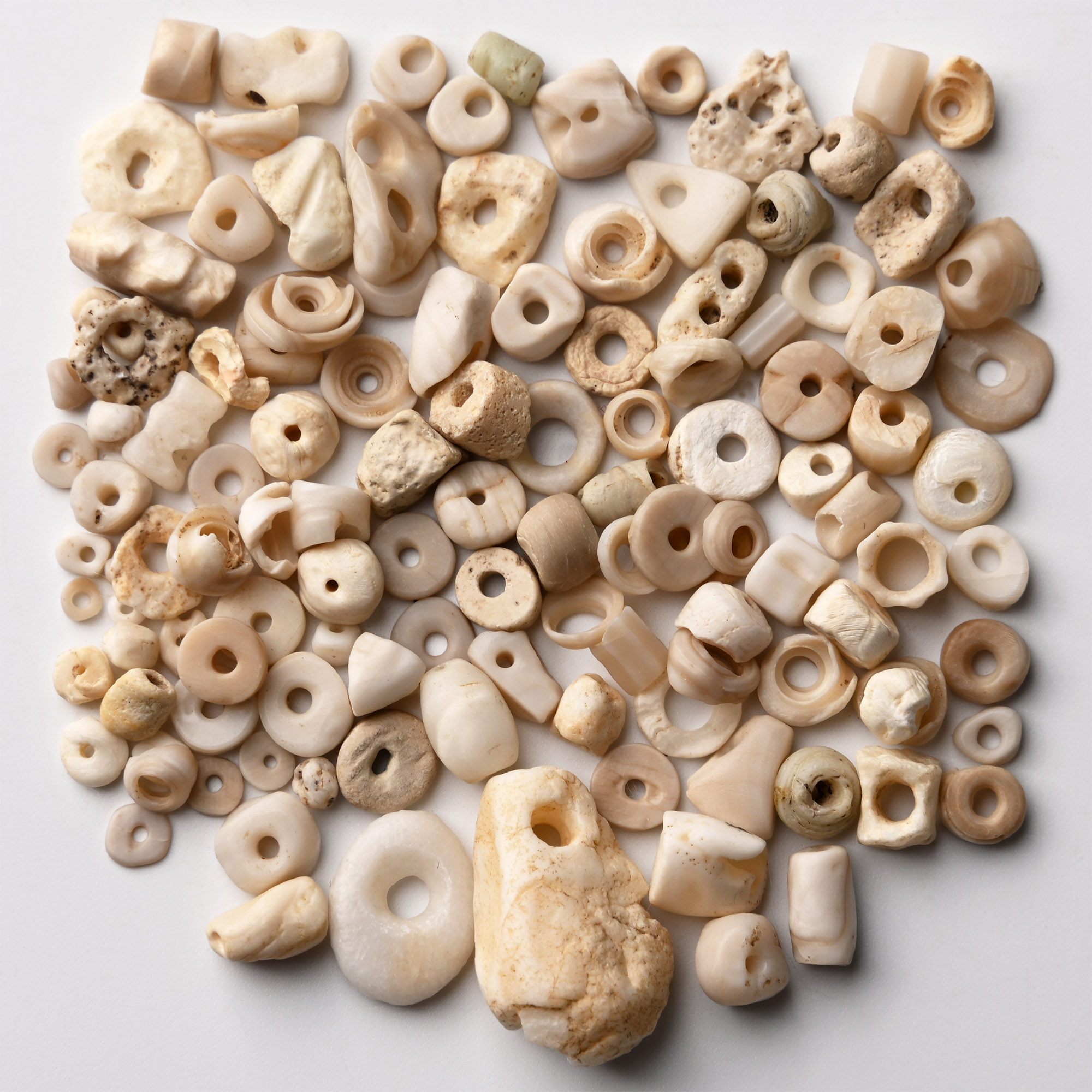
Western Asiatic White Stone and Shell Bead Collection
1ST MILLENNIUM B.C.
1/8 - 3/4 in. (14 grams total, 2-18 mm).
Group of fusiform, cylindrical, rectangular and other beads. [123, No Reserve]
ProvenanceEx London, UK, collection, 1990s.
Private collection, Harwich.
TimeLine Auctions follows a vetting process to ensure the authenticity and legality of all items, reinforcing our commitment to integrity and responsible trading. Each antiquity, antique, and coin lot undergoes thorough examination by a vetting committee of at least ten external specialists, professional trade association members, scientists, and archaeologists: Our Vetting Process
AUCTIONS:
TimeLine is a leading auction house specialising in antiquities, ancient art, collectables, natural history, coins, medals, and books. Our auctions offer museums, collectors, historians, and enthusiasts the opportunity to acquire unique and historically significant pieces.
-
.jpg)
Old Babylonian Alabaster Cylinder Seal
Early 2nd millennium B.C.Sold for (Inc. bp): £78
With frieze of robed figures in procession; supplied with a museum-quality impression. 1.16 grams, 14 mm
Ex Cotswold collection, UK, 1980-1990. Examined by Professor Wilfrid George Lambert FBA (1926-2011), historian, archaeologist, and specialist in Assyriology and Near Eastern archaeology, in the late 1980s and 1990s. -
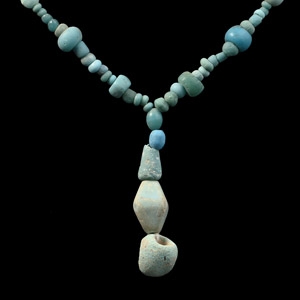
Achaemenid Blue Glass Bead Necklace String
6th-4th century B.C. and laterSold for (Inc. bp): £85
Restrung designer necklace string of globular, oblate and other types with polyhedral and annular pendant centrepiece. 12.4 grams, 33 cm
London, UK, collection, 2000s. -
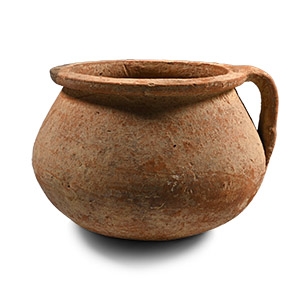
Western Asiatic Terracotta Bowl with Handle
1st millennium B.C.Sold for (Inc. bp): £39
Bulbous body with rounded base, flattened rim with a small strap handle to the side. 320 grams, 13.3 cm wide
with Galerie Rhéa, Zurich, Switzerland.
