
Loading, please wait...
LOT 1170
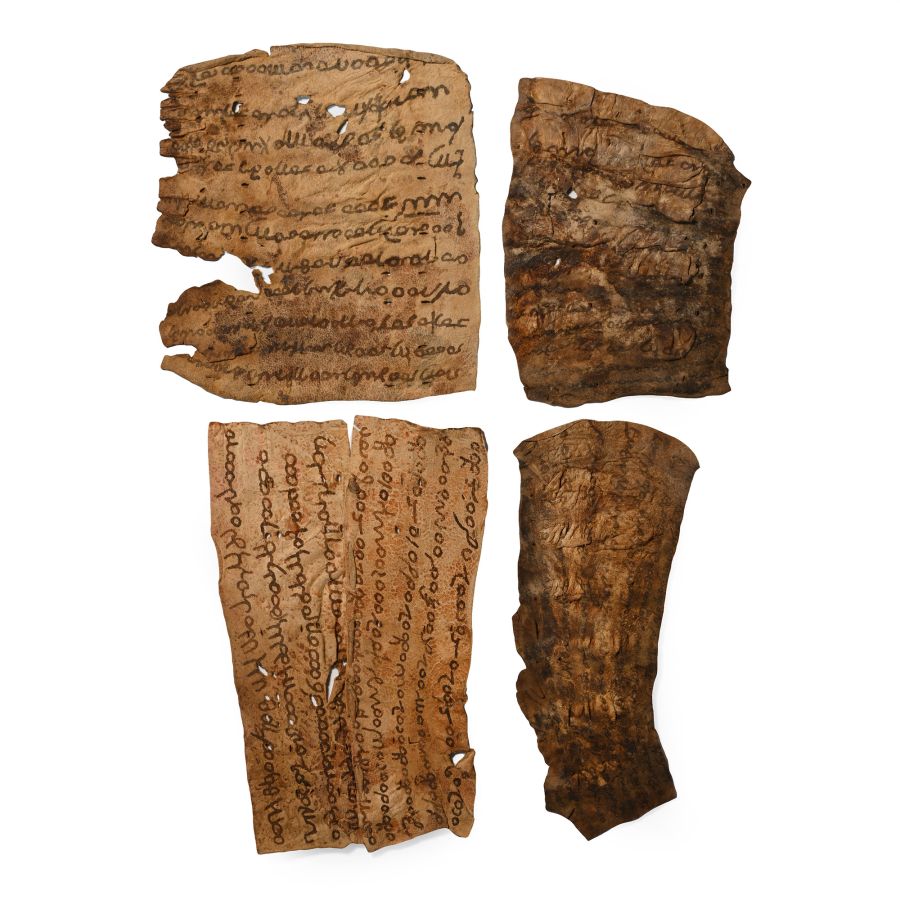
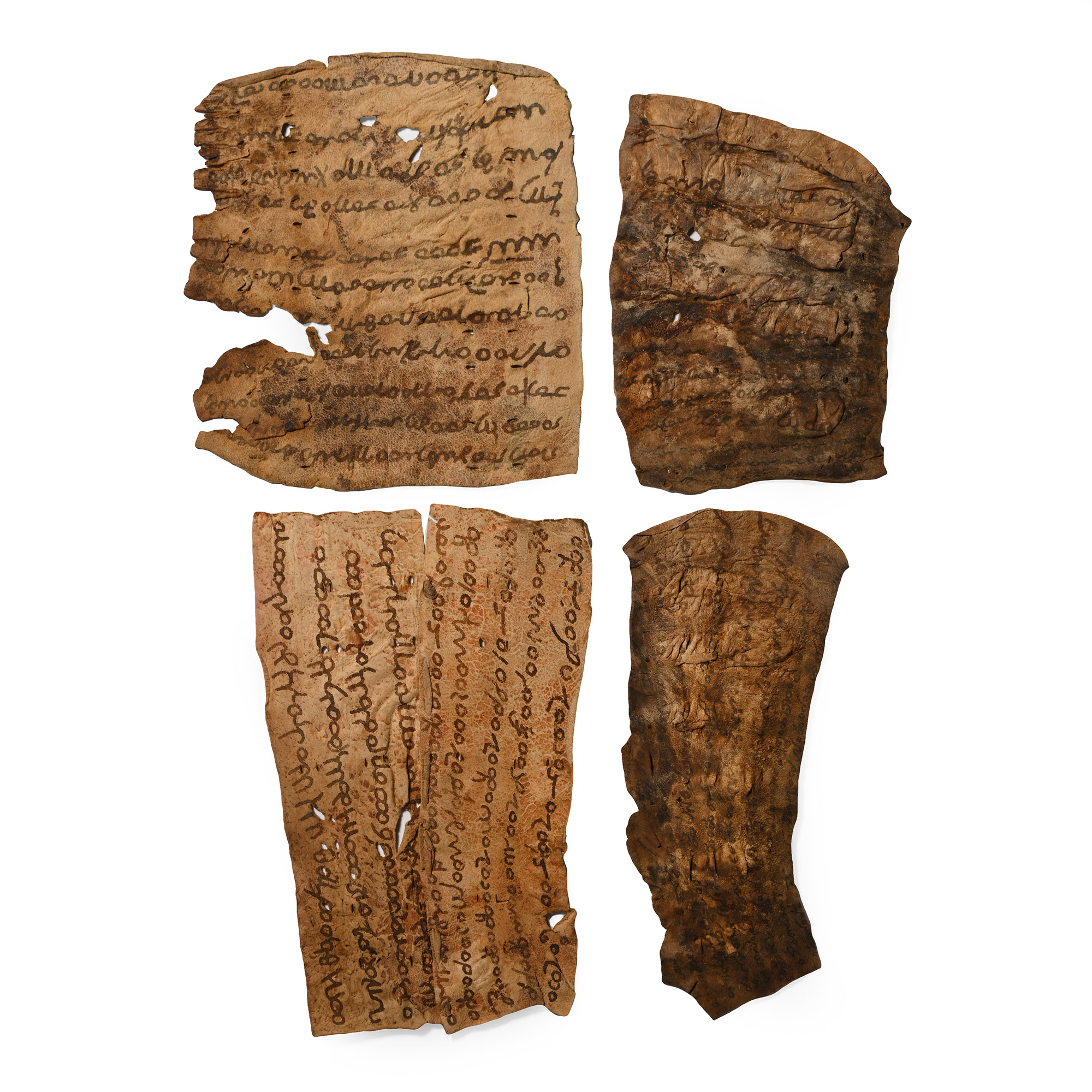
Western Asiatic Vellum Document Group
1ST MILLENNIUM A.D. OR LATER
3 5/8 - 4 3/4 in. (10.36 grams total, 9.2-12.1 cm).
Group of four vellum fragments each with text laid out in regular lines; probably Pali script. [4, No Reserve]
ProvenanceUK private collection, acquired 1996.
This lot has been cleared against the Art Loss Register database, and is accompanied by an illustrated lot declaration signed by the Head of the Antiquities Department, Dr Raffaele D'Amato.
TimeLine Auctions follows a vetting process to ensure the authenticity and legality of all items, reinforcing our commitment to integrity and responsible trading. Each antiquity, antique, and coin lot undergoes thorough examination by a vetting committee of at least ten external specialists, professional trade association members, scientists, and archaeologists: Our Vetting Process
AUCTIONS:
TimeLine is a leading auction house specialising in antiquities, ancient art, collectables, natural history, coins, medals, and books. Our auctions offer museums, collectors, historians, and enthusiasts the opportunity to acquire unique and historically significant pieces.
-
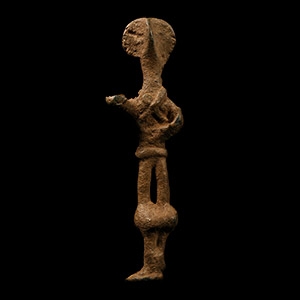
Canaanite Bronze Warrior God with Arm Raised
Early 2nd millennium B.C.Estimate: £1,500 - 2,000 (+bp*)
Opening Bid: £750
Standing on a columnar base wearing a waist-belt and crossed baldrics. 97 grams, 12.1 cm
Acquired in Paris and London, 1970s. From a collection of Canaanite gods in bronze, from the collection of a London, UK, gentleman. This lot has been cleared against the Art Loss Register database, and is accompanied by an illustrated lot declaration signed by the Head of the Antiquities Department, Dr Raffaele D'Amato. -
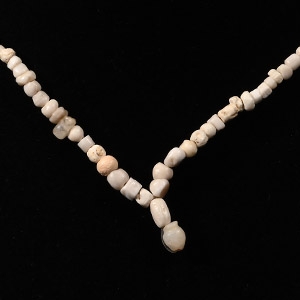
Ancient Bead Necklace String
1st millennium B.C. and laterSold for (Inc. bp): £20
Restrung group of graduated oblate and other beads in stone, ceramic and shell. 7.94 grams, 42 cm
UK gallery, early 2000s. This lot has been cleared against the Art Loss Register database, and is accompanied by an illustrated lot declaration signed by the Head of the Antiquities Department, Dr Raffaele D'Amato.
Similar beads were found in the excavations of the royal tombs of Nimrud. Thousands of beads were discovered in the sarcophagi (for example those of Nimrud’s Queens) probably originally composed as wide collars with multiple strands. -
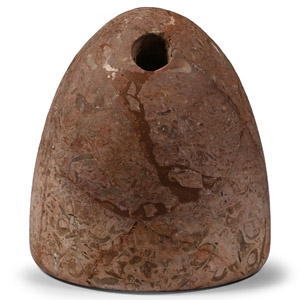
Bactrian Stone Weight
2nd millennium B.C. or laterSold for (Inc. bp): £416
Conical in profile with flat base and U-shaped channel through the apex. 7.25 kg, 17 cm
Ex Mayfair gallery, London, UK, 1990s. This lot has been cleared against the Art Loss Register database, and is accompanied by an illustrated lot declaration signed by the Head of the Antiquities Department, Dr Raffaele D'Amato.
