
Loading, please wait...
LOT 1233
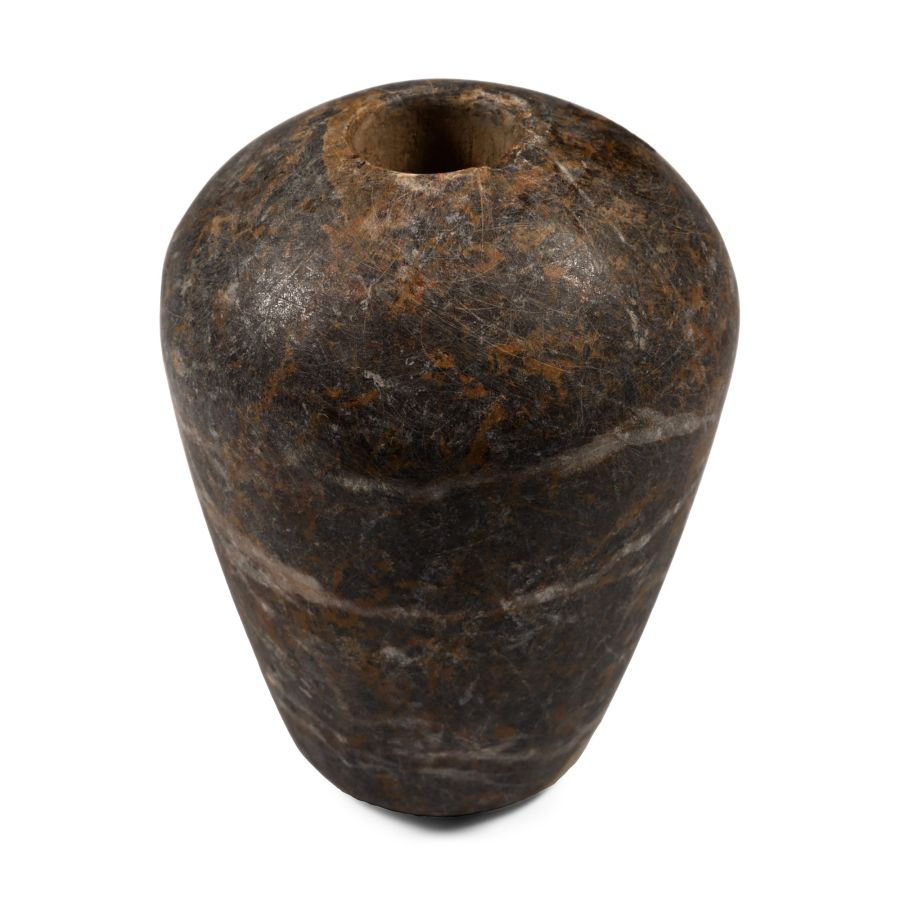
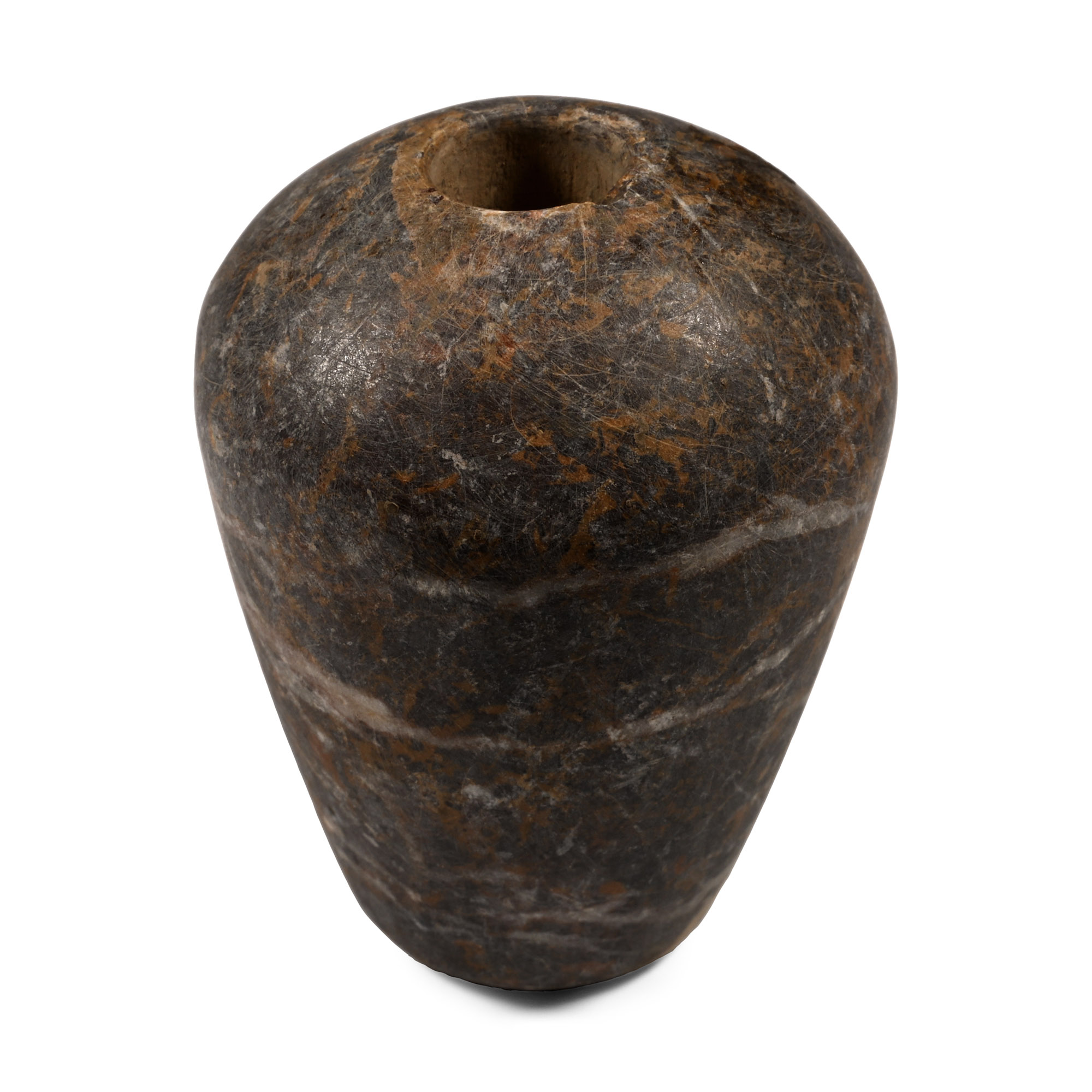
Western Asiatic Veined Stone Macehead
3RD-2ND MILLENNIUM B.C.
2 3/4 in. (283 grams, 7 cm).
Piriform with vertical socket expanding towards the narrower end.
ProvenanceFrom the collection of a London, UK, gentleman, 1990s.
This lot has been cleared against the Art Loss Register database, and is accompanied by an illustrated lot declaration signed by the Head of the Antiquities Department, Dr Raffaele D'Amato.
Cf. Gorelik, M., Weapons of Ancient East, IV millennium BC-IV century BC, Saint Petersburg, 2003, in Russian, see pl.XXX, no.89, from Megiddo, for similar.
CONDITIONTimeLine Auctions follows a vetting process to ensure the authenticity and legality of all items, reinforcing our commitment to integrity and responsible trading. Each antiquity, antique, and coin lot undergoes thorough examination by a vetting committee of at least ten external specialists, professional trade association members, scientists, and archaeologists: Our Vetting Process
AUCTIONS:
TimeLine is a leading auction house specialising in antiquities, ancient art, collectables, natural history, coins, medals, and books. Our auctions offer museums, collectors, historians, and enthusiasts the opportunity to acquire unique and historically significant pieces.
-
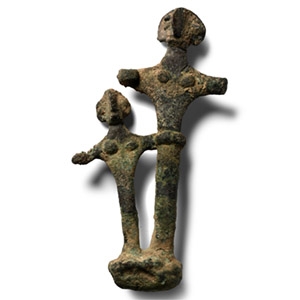
Canaanite Bronze Warrior God Pair
Early 2nd millennium B.C.Sold for (Inc. bp): £715
Formed as two standing nude females with arms spread, one gripping the waist of the other, on a lentoid base. 41.3 grams, 78 mm
Acquired in Paris and London, 1970s. From a collection of Canaanite gods in bronze, from the collection of a London, UK, gentleman. This lot has been cleared against the Art Loss Register database, and is accompanied by an illustrated lot declaration signed by the Head of the Antiquities Department, Dr Raffaele D'Amato. -
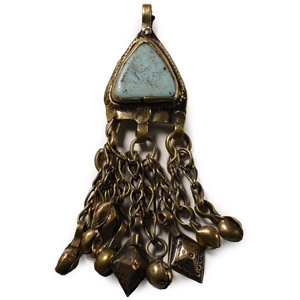
Western Asiatic Silver-Coloured Metal Pendant
20th century A.D.Sold for (Inc. bp): £13
Comprising a triangular plaque with inset onyx cloison, chains below with dangles. 15.6 grams, 85 mm
Ex collection of a late London, UK, collector, 1970s. This lot has been cleared against the Art Loss Register database, and is accompanied by an illustrated lot declaration signed by the Head of the Antiquities Department, Dr Raffaele D'Amato. -
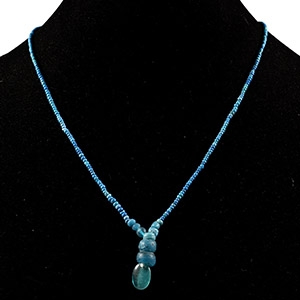
Achaemenid Pale Blue Glass Bead Necklace String
6th-4th century B.C. and laterSold for (Inc. bp): £65
Composed of small oblate beads, central feature composed of larger oblate beads with a translucent oval pendant; restrung. 7.81 grams, 36.5 cm
Ex London, UK, collection, 1990s. This lot has been cleared against the Art Loss Register database, and is accompanied by an illustrated lot declaration signed by the Head of the Antiquities Department, Dr Raffaele D'Amato.
