
Loading, please wait...
LOT 1311
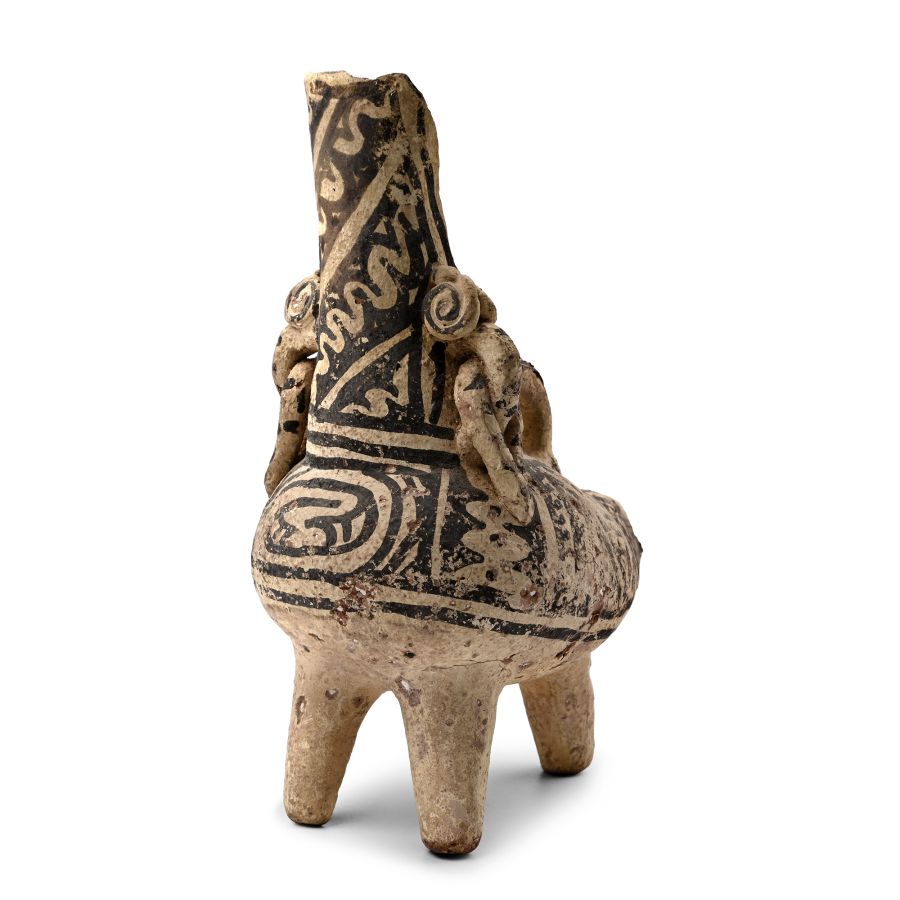
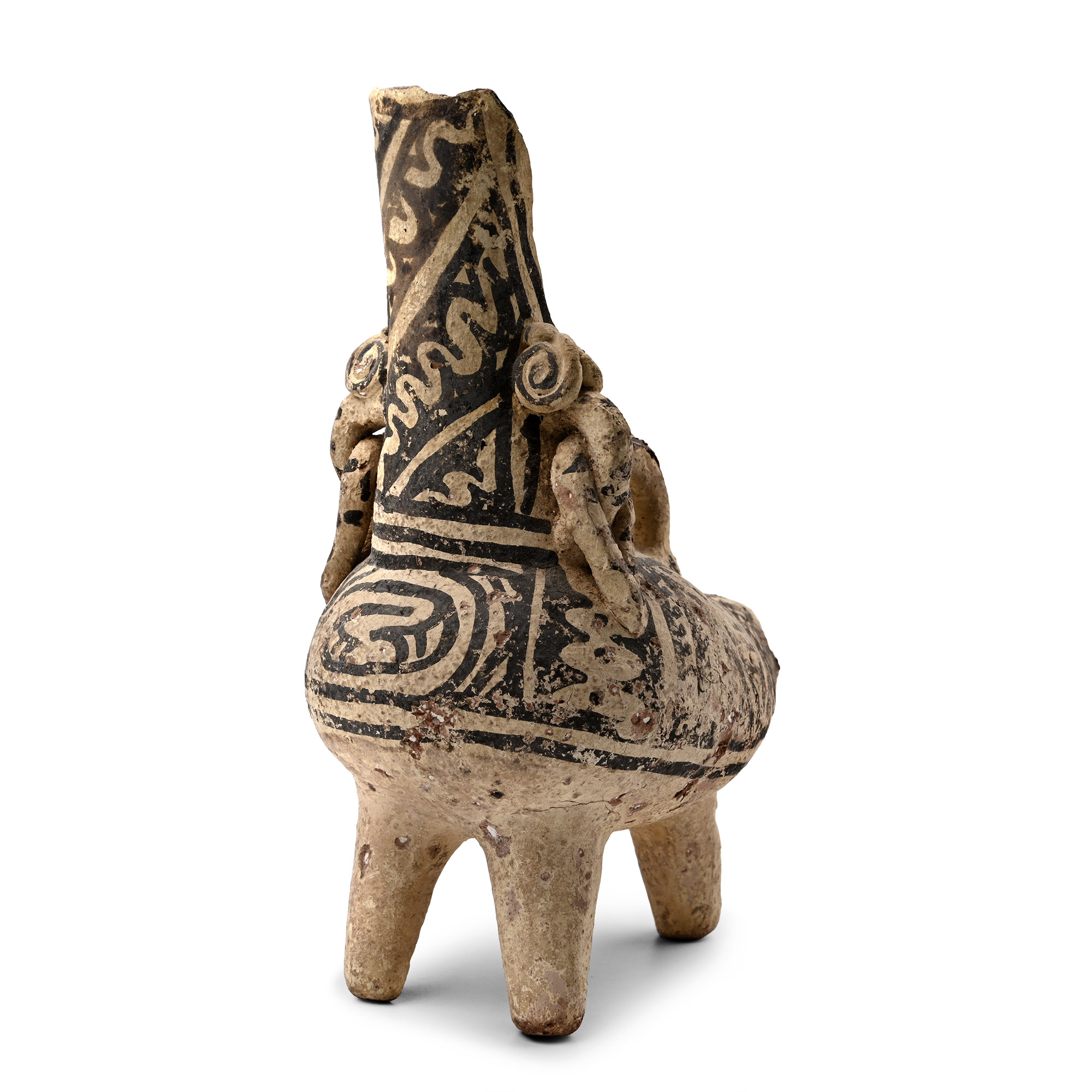
Western Asiatic Terracotta Zoomorphic Vessel
8TH-9TH CENTURY A.D.
6 1/4 in. (295 grams, 16 cm).
With three splayed stub legs, ovoid body, loop handle and long pouring lip with strainer; applied loops and handles to the shoulders; hatched and scrolled painted decoration.
ProvenanceUK collection, 1990s.
Acquired on the UK art market, before 2000.
Private collection, Mr M.V., a London-based businessman.
TimeLine Auctions follows a vetting process to ensure the authenticity and legality of all items, reinforcing our commitment to integrity and responsible trading. Each antiquity, antique, and coin lot undergoes thorough examination by a vetting committee of at least ten external specialists, professional trade association members, scientists, and archaeologists: Our Vetting Process
AUCTIONS:
TimeLine is a leading auction house specialising in antiquities, ancient art, collectables, natural history, coins, medals, and books. Our auctions offer museums, collectors, historians, and enthusiasts the opportunity to acquire unique and historically significant pieces.
LOT 1311
Western Asiatic Terracotta Zoomorphic Vessel
Estimate £200 - 300€230 - 350 (for guidance only)$270 - 410 (for guidance only)
-
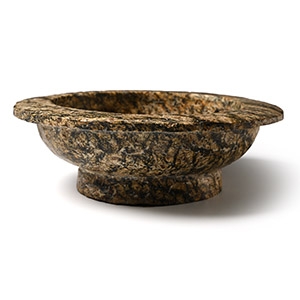
Achaemenid Serpentine Dish
6th-4th century B.C.Sold for (Inc. bp): £338
With broad bowl and slightly chamfered rim, basal ring. 222 grams, 10.8 cm
Acquired in the mid 1980s-1990s. Private collection, Switzerland, thence by descent. Private collection, since the late 1990s. -
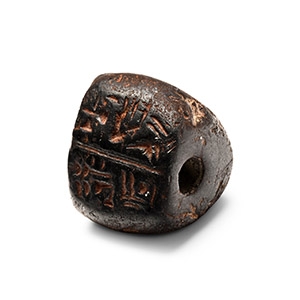
Babylonian Fragmental Weight with Inscription
2nd-1st millennium B.C.Sold for (Inc. bp): £98
Plano-convex in section with incised cuneiform inscription to the flat face. 6.8 grams, 13 mm
with Archaeologia, Switzerland, before 1983. Ex private North American collection. London private collection, 2016. -
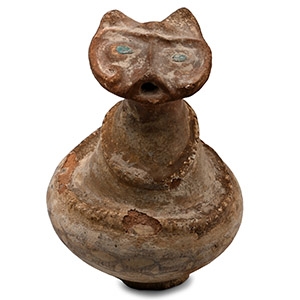
Western Asiatic Terracotta Vessel with Lion-Head with Glass Eyes
8th-9th century A.D.Estimate: £600 - 800 (+bp*)
Opening Bid: £300
With biconical profile and flared foot, cable-twist strap handle, applied raised band to the shoulder and neck; discoid feline head with filler hole and spout, inset turquoise-coloured scaphoid eyes. 739 grams, 19.7 cm
UK collection, 1990s. Acquired on the UK art market, before 2000. Private collection, Mr M.V., a London-based businessman.
