
Loading, please wait...
LOT 1279
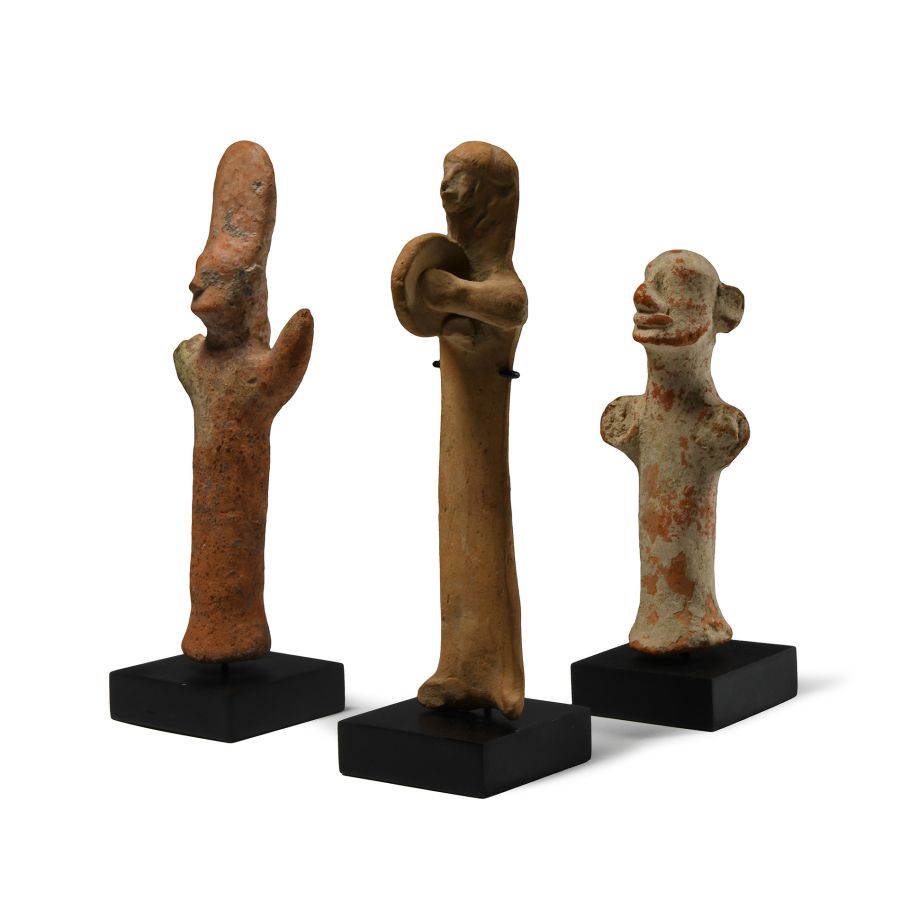
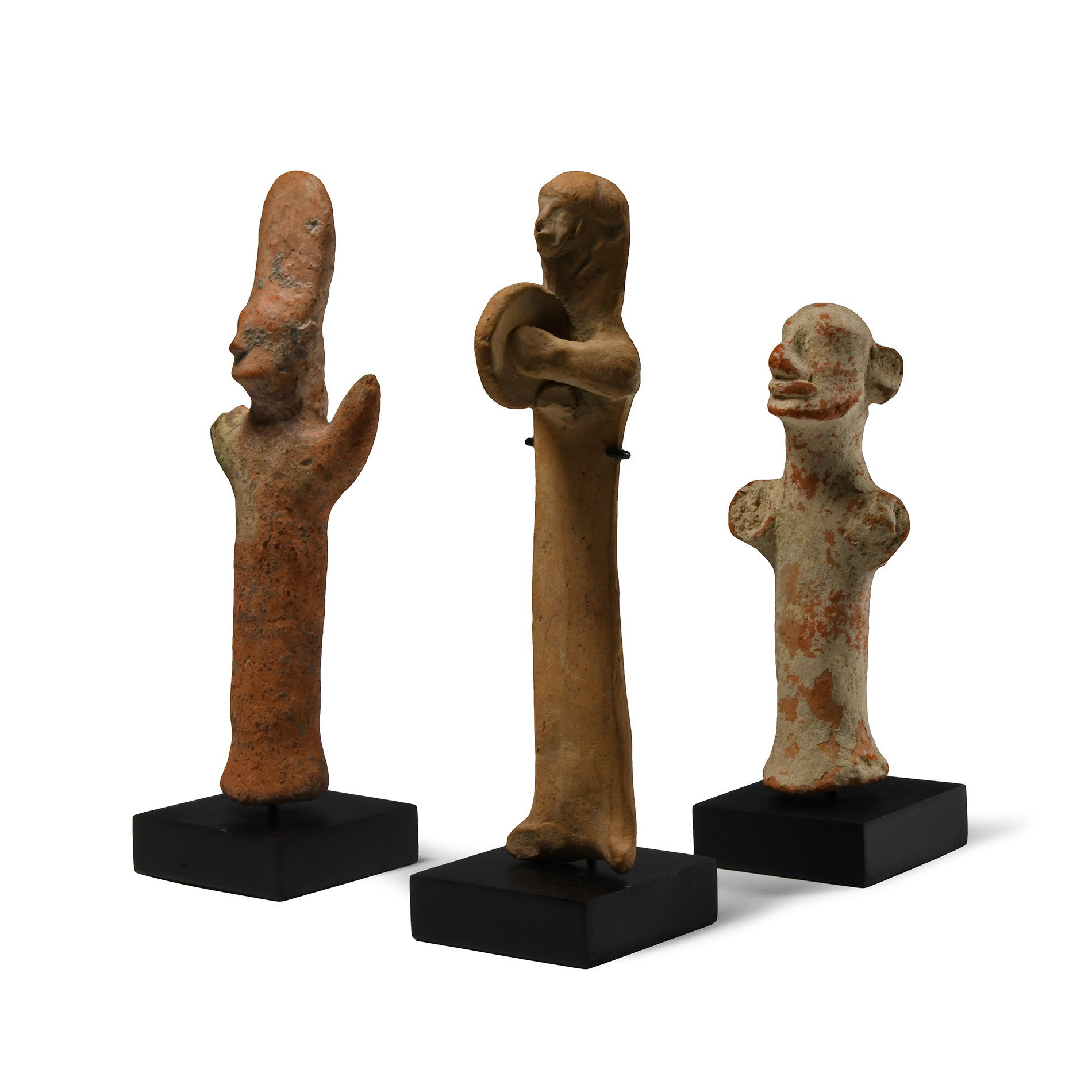
Western Asiatic Terracotta Votive Idol Group
2ND MILLENNIUM B.C.
5 3/8 - 6 7/8 in. (410 grams total, 13.6-17.5 cm including stand).
Comprising: columnar type with applied hair and costume details the central piece being Cypriot; columnar type with moulded facial features; tabular type with applied collar; each mounted on a custom-made display stand. [3, No Reserve]
ProvenanceFrom a collection acquired on the UK art market from various auction houses and collections mostly before 2000.
From an important Cambridgeshire estate; thence by descent.
TimeLine Auctions follows a vetting process to ensure the authenticity and legality of all items, reinforcing our commitment to integrity and responsible trading. Each antiquity, antique, and coin lot undergoes thorough examination by a vetting committee of at least ten external specialists, professional trade association members, scientists, and archaeologists: Our Vetting Process
AUCTIONS:
TimeLine is a leading auction house specialising in antiquities, ancient art, collectables, natural history, coins, medals, and books. Our auctions offer museums, collectors, historians, and enthusiasts the opportunity to acquire unique and historically significant pieces.
-
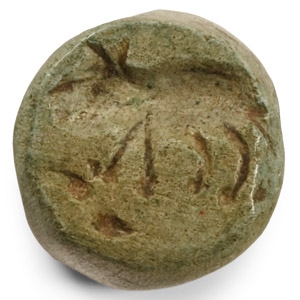
Western Asiatic Bifacial Stone Stamp Seal
1st millennium B.C. or laterSold for (Inc. bp): £7
With intaglio bovine to one face and canine to the other. 1.68 grams, 11 mm
From the H.N. collection, Milton Keynes, Berkshire, UK, 1990s. -
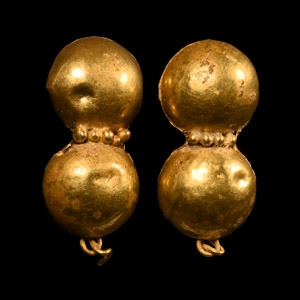
Western Asiatic Gold Double Bulb Earrings
Circa 1st millennium B.C.Estimate: £300 - 400 (+bp*)
Opening Bid: £167
Matched pair of gold earrings, each formed as two bulbs with a string of granules to the waist, loop to one end to accept a wire fastener. 5.32 grams total, 31-32 mm
From a late Japanese specialist collector, 1970-2000s. Accompanied by an earlier catalogue identification card. -
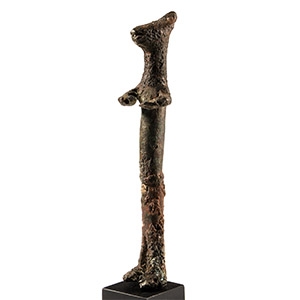
Western Asiatic Bronze Standing Idol
Early 1st millennium B.C.Sold for (Inc. bp): £468
Modelled in the round as a columnar figure with curved stub arms and pointed headdress; mounted on a custom-made display stand. 310 grams total, 19 cm including stand
From a collection acquired on the UK art market from various auction houses and collections mostly before 2000. From an important Cambridgeshire estate; thence by descent.
