
Loading, please wait...
LOT 1325
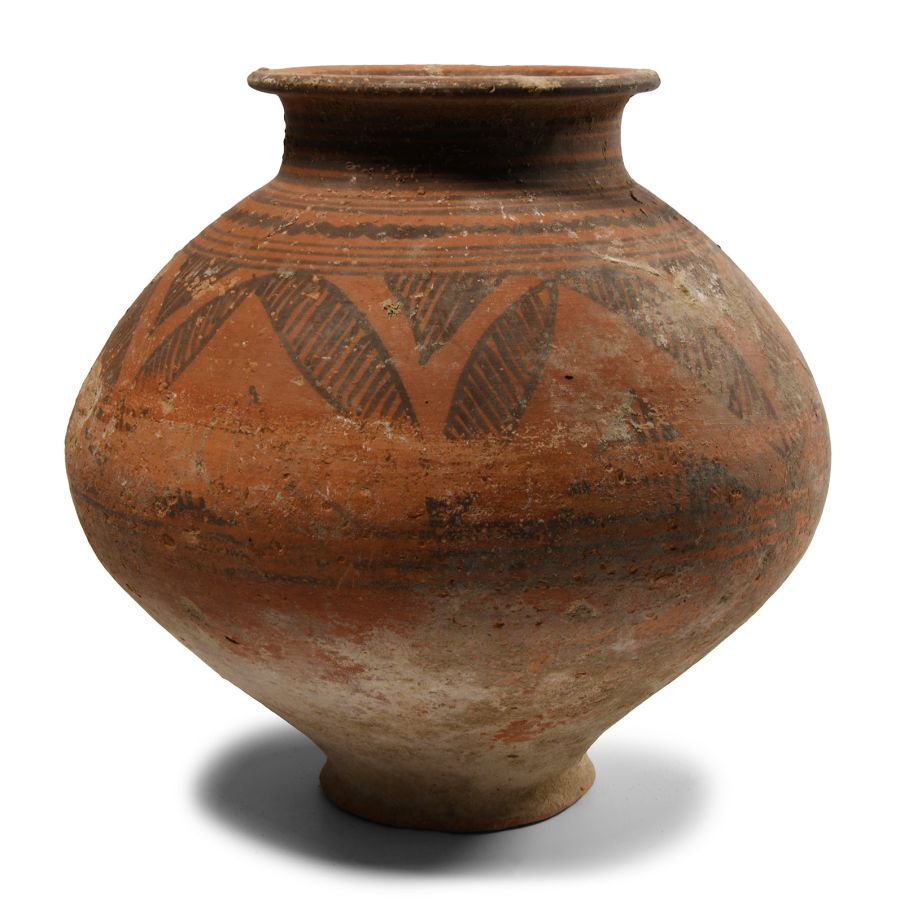
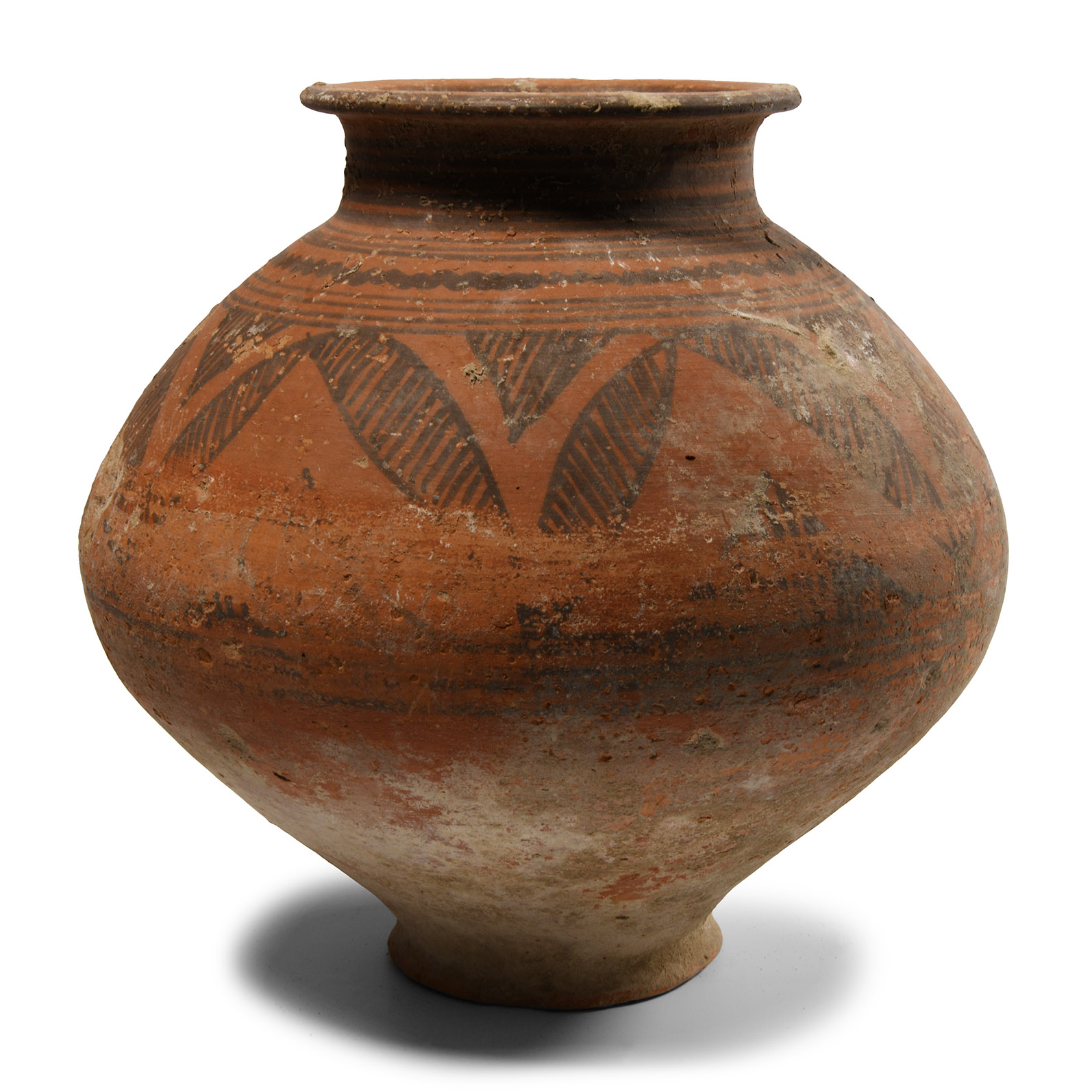
Western Asiatic Terracotta Jar
IRON AGE, 1ST MILLENNIUM B.C.
7 1/4 in. (1 kg, 18.5 cm high).
With biconical profile, narrow base, broad mouth with flared rim; bands of painted hatched leaf motifs to shoulder, horizontal lines above; small hole to shoulder. [No Reserve]
ProvenanceAcquired 1980-2015.
Ex Abelita family collection.
TimeLine Auctions follows a vetting process to ensure the authenticity and legality of all items, reinforcing our commitment to integrity and responsible trading. Each antiquity, antique, and coin lot undergoes thorough examination by a vetting committee of at least ten external specialists, professional trade association members, scientists, and archaeologists: Our Vetting Process
AUCTIONS:
TimeLine is a leading auction house specialising in antiquities, ancient art, collectables, natural history, coins, medals, and books. Our auctions offer museums, collectors, historians, and enthusiasts the opportunity to acquire unique and historically significant pieces.
-
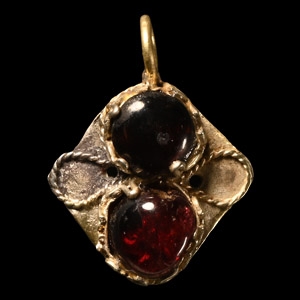
Western Asiatic Electrum Gold Pendant with Garnets
Circa 3rd-4th century A.D.Sold for (Inc. bp): £169
Comprising a lozenge-shaped plaque with applied ropework, two raised cells with filigree loops to the edges, set with garnet cabochons; suspension loop above. 1.83 grams, 19.46 mm
From the property of the late Mr SM, London, UK, 1969-1999. -
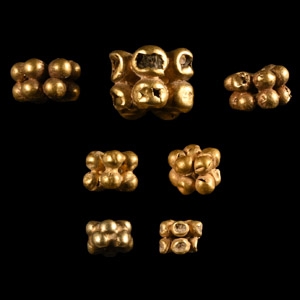
Western Asiatic Graduated Gold Tubular Bead Set
2nd-1st millennium B.C.Estimate: £250 - 350 (+bp*)
Opening Bid: £125
Mixed group of granulated beads with wide holes. 2.02 grams total, 4-8 mm
From a late Japanese specialist collector, 1970-2000s. -
.jpg)
Sassanian Carnelian Eagle Gemstone
Circa 3rd-4th century A.D.Estimate: £120 - 170 (+bp*)
Opening Bid: £60
Eagle standing with wings folded, neck extended; supplied with a museum-quality impression. 0.46 grams, 10 mm
From the collection of a Swiss gentleman formed in Europe from 1970-1980s; thence by descent from the family in London.
