
Loading, please wait...
LOT 1172
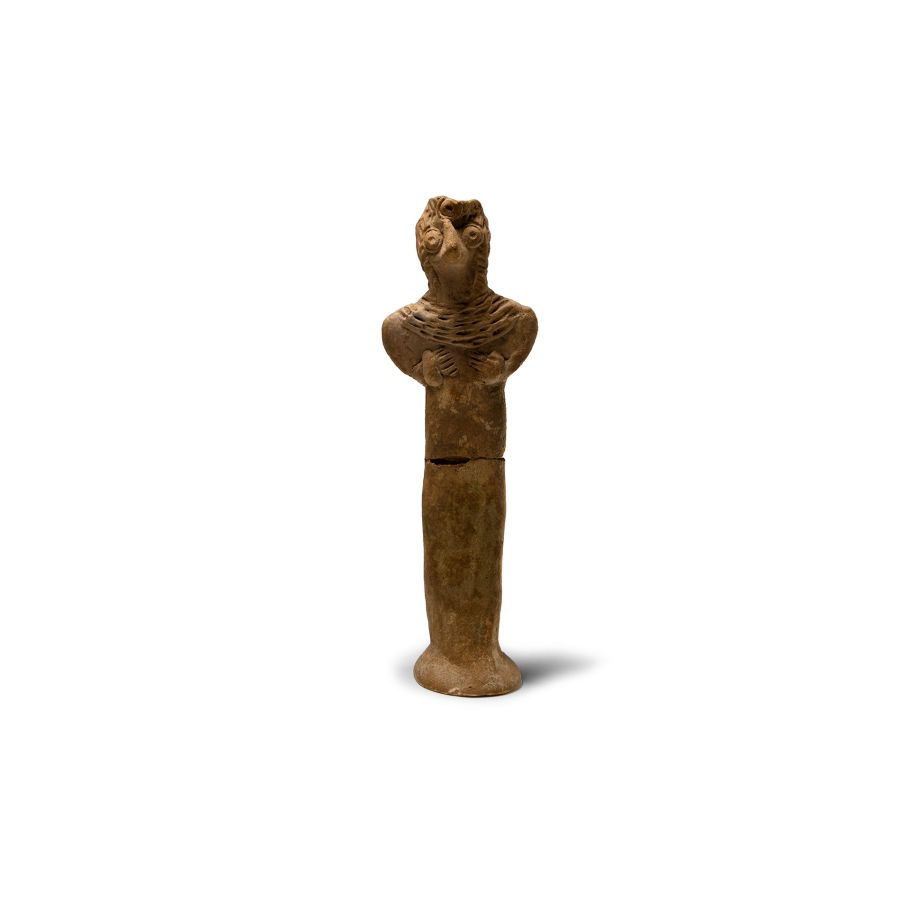
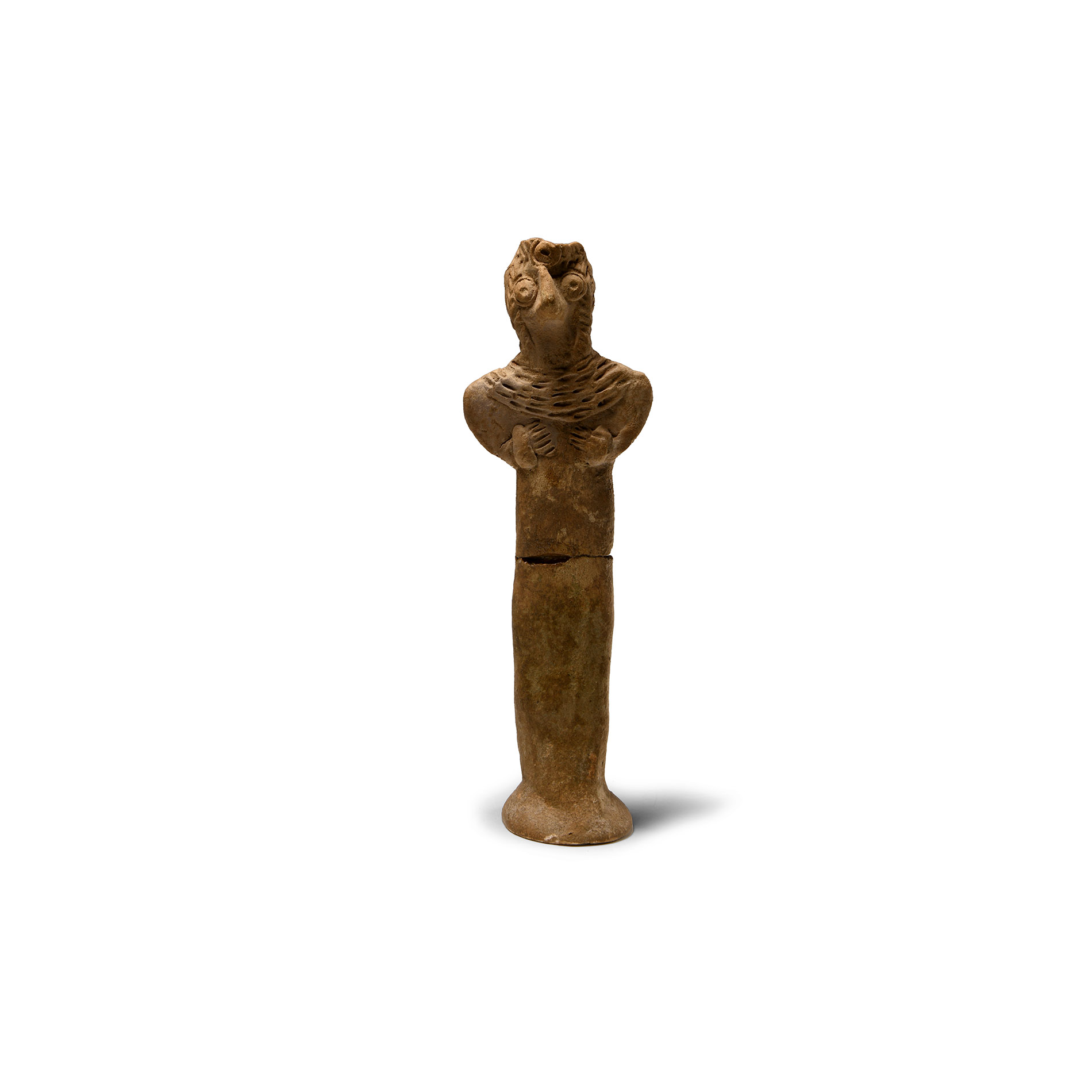
Western Asiatic Terracotta Idol
3RD-2ND MILLENNIUM B.C.
6 in. (69 grams, 15 cm high).
Freestanding, with a pinched face, elaborate applied hairstyle, circular eyes and prick-decorated collar, hand clasped with palms to chest; repaired.
ProvenanceAcquired in the 1970s.
Ex European private collection.
TimeLine Auctions follows a vetting process to ensure the authenticity and legality of all items, reinforcing our commitment to integrity and responsible trading. Each antiquity, antique, and coin lot undergoes thorough examination by a vetting committee of at least ten external specialists, professional trade association members, scientists, and archaeologists: Our Vetting Process
AUCTIONS:
TimeLine is a leading auction house specialising in antiquities, ancient art, collectables, natural history, coins, medals, and books. Our auctions offer museums, collectors, historians, and enthusiasts the opportunity to acquire unique and historically significant pieces.
LOT 1172
Western Asiatic Terracotta Idol
Estimate £400 - 600€460 - 700 (for guidance only)$540 - 810 (for guidance only)
-
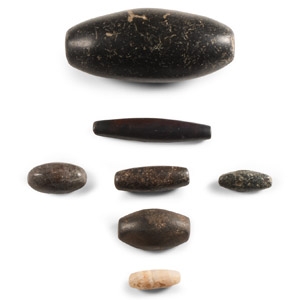
Mesopotamian Stone Weight Collection
Circa 1st millennium B.C.Sold for (Inc. bp): £117
Mainly fusiform, one with engraved figure. 122 grams total, 20-67 mm
Ex Simmons gallery, London, UK. Ex North London collection, 1990s. -
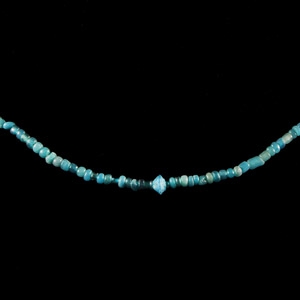
Western Asiatic Turquoise Blue Glass Bead Necklace String
1st millennium B.C. and laterSold for (Inc. bp): £52
Restrung using mainly oblate beads. 5.16 grams, 44 cm long
UK gallery, early 2000s.
Turquoise has been known since prehistoric times, and it is widely used in jewellery in the Middle East (Egypt and Persia), the Far East (Tibet, Mongolia and China) and even by native North Americans. Turquoise was very fashionable also in Europe, especially during the 18th and 19th centuries. -
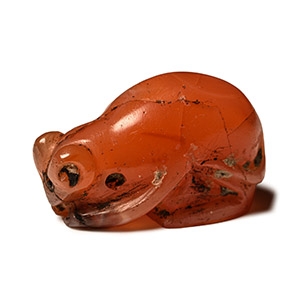
Mesopotamian Carnelian Mouse Amulet
Late 1st millennium B.C.Estimate: £500 - 700 (+bp*)
Opening Bid: £250
Modelled in the round with lateral piercing at the neck. 3.81 grams, 21 mm
Ex S collection, London, UK, 1980-1990s.
