
Loading, please wait...
LOT 1180
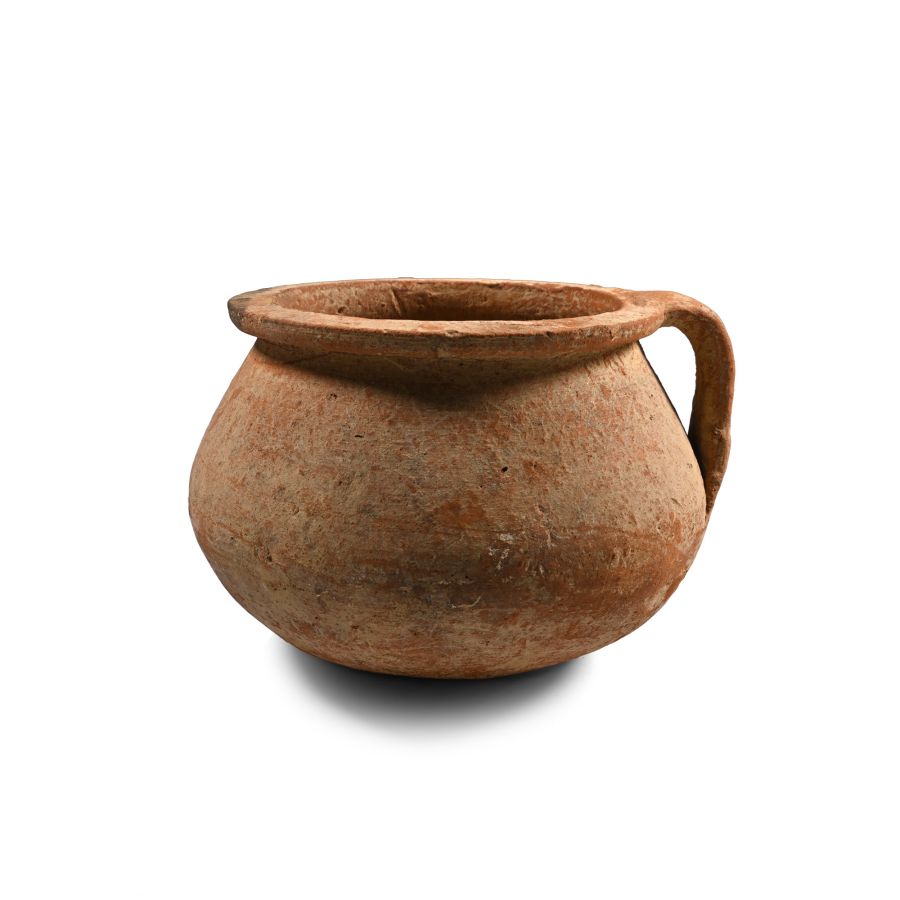
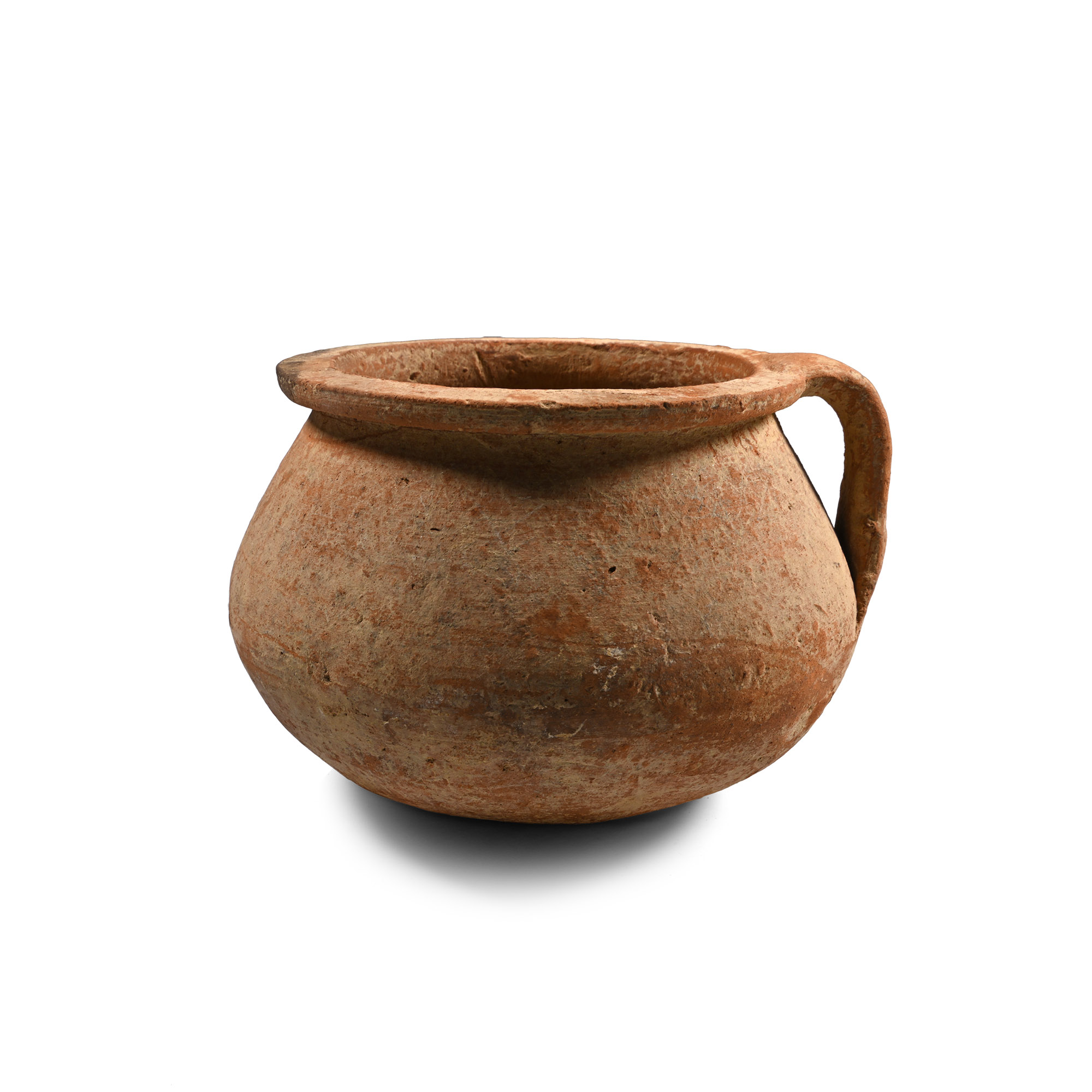
Western Asiatic Terracotta Bowl with Handle
1ST MILLENNIUM B.C.
5 1/4 in. (320 grams, 13.3 cm wide).
Bulbous body with rounded base, flattened rim with a small strap handle to the side. [No Reserve]
Provenancewith Galerie Rhéa, Zurich, Switzerland.
CONDITIONTimeLine Auctions follows a vetting process to ensure the authenticity and legality of all items, reinforcing our commitment to integrity and responsible trading. Each antiquity, antique, and coin lot undergoes thorough examination by a vetting committee of at least ten external specialists, professional trade association members, scientists, and archaeologists: Our Vetting Process
AUCTIONS:
TimeLine is a leading auction house specialising in antiquities, ancient art, collectables, natural history, coins, medals, and books. Our auctions offer museums, collectors, historians, and enthusiasts the opportunity to acquire unique and historically significant pieces.
-
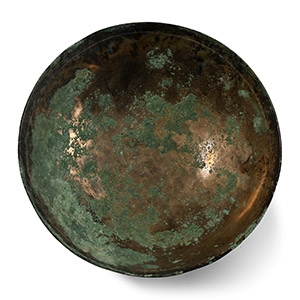
Western Asiatic Bronze Bowl
Mid 1st millennium B.C.Sold for (Inc. bp): £117
Hemispherical in profile with incised ring to inner rim. 252 grams, 18.5 cm
Ex 1990s collection and with a central London gallery. -
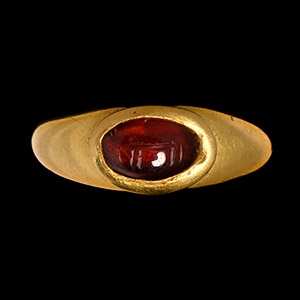
Western Asiatic Gold Ring with Calligraphic Gemstone
12th-15th century A.D.Sold for (Inc. bp): £936
Ellipsoid bezel with inset garnet cabochon, incised Kufic inscription. 7.00 grams, 22.05 mm overall, 16.29 mm internal diameter (approximate size British J 1/2, USA 5, Europe 9.32, Japan 9)
with Archaeologia, Switzerland, before 1983. Ex private North American collection. London private collection, 2016. -
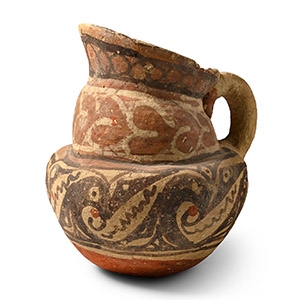
Western Asiatic Painted Terracotta Vessel
8th-9th century A.D.Estimate: £200 - 300 (+bp*)
Opening Bid: £100
Squat in profile and of tiered construction with strap handle and broad pouring lip, bands of polychrome painted foliage decoration. 407 grams, 12.7 cm
UK collection, 1990s. Acquired on the UK art market, before 2000. Private collection, Mr M.V., a London-based businessman.
