
Loading, please wait...
LOT 1943
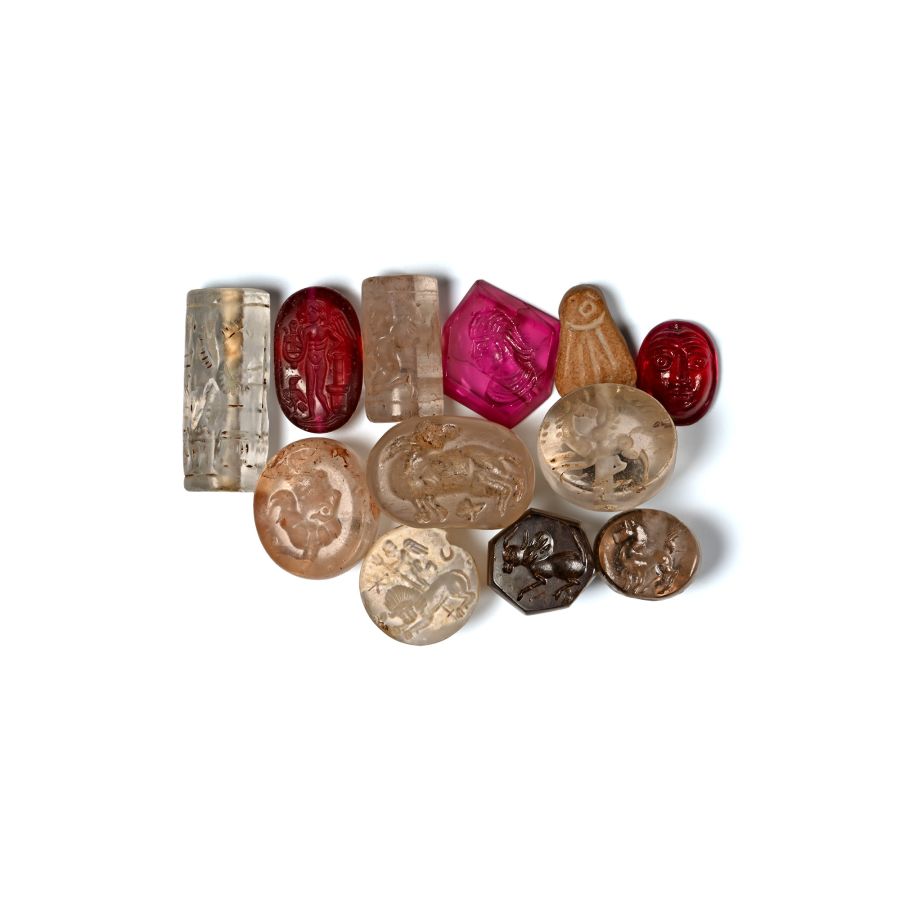
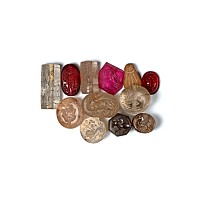
Western Asiatic Style Stone and Other Seal and Amulet Group
20TH CENTURY A.D.
3/4 - 1 3/8 in. (141 grams total, 19-36 cm).
Comprising seven stamp seals, two cylinder seals, a stone amuletic pendant, a cabochon with human face, and a hexagonal insert with profile bust. [12, No Reserve]
ProvenanceFrom the family collection of a Hampstead gentleman; formerly acquired in the 1980s.
This lot is accompanied by an illustrated lot declaration signed by the Head of the Antiquities Department, Dr Raffaele D'Amato.
TimeLine Auctions follows a vetting process to ensure the authenticity and legality of all items, reinforcing our commitment to integrity and responsible trading. Each antiquity, antique, and coin lot undergoes thorough examination by a vetting committee of at least ten external specialists, professional trade association members, scientists, and archaeologists: Our Vetting Process
AUCTIONS:
TimeLine is a leading auction house specialising in antiquities, ancient art, collectables, natural history, coins, medals, and books. Our auctions offer museums, collectors, historians, and enthusiasts the opportunity to acquire unique and historically significant pieces.
LOT 1943
Western Asiatic Style Stone and Other Seal and Amulet Group
Sold for (Inc. bp): £72
-
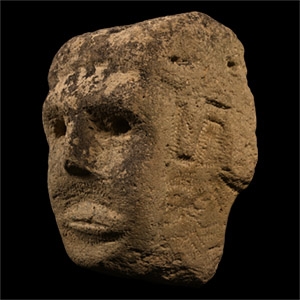
Heavily Patinated Celtic Style Limestone Head
19th century A.D. or earlierSold for (Inc. bp): £91
A lifesize carved head with D-shaped face and prominent brow, sunken eyes and broad nose; tooling marks, shallow socket at each ear. 11.45 kg, 28 cm
Found Bradford, West Yorkshire, UK. From the family home of a deceased Sheffield gentleman. This lot is accompanied by an illustrated lot declaration signed by the Head of the Antiquities Department, Dr Raffaele D'Amato. -
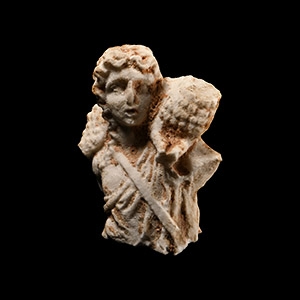
Post Medieval Marble Statuette Fragment
19th-20th century A.D.Sold for (Inc. bp): £143
Showing a shepherd carrying a sheep on his back, possibly depicting the Good Shepherd. 34 grams, 55 mm high
Acquired early 1990s. Ex private American collection; thence by descent. Private collection since 1998. This lot is accompanied by an illustrated lot declaration signed by the Head of the Antiquities Department, Dr Raffaele D'Amato. -
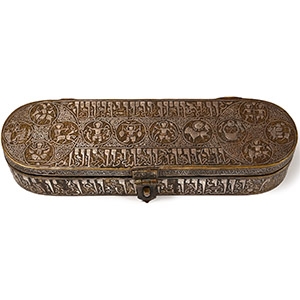
Large Western Asiatic Style Silver Inlaid Bronze Calligraphic Brush or Pen Box
20th century A.D.Sold for (Inc. bp): £975
Hinged lid with lock hasp; extensive decoration to the outer faces, including human-headed birds, animals, and various human figures. 1.22 kg, 28.2 cm
From the family collection of a Hampstead gentleman; formerly acquired in the 1980s. This lot is accompanied by an illustrated lot declaration signed by the Head of the Antiquities Department, Dr Raffaele D'Amato.
