
Loading, please wait...
LOT 1873
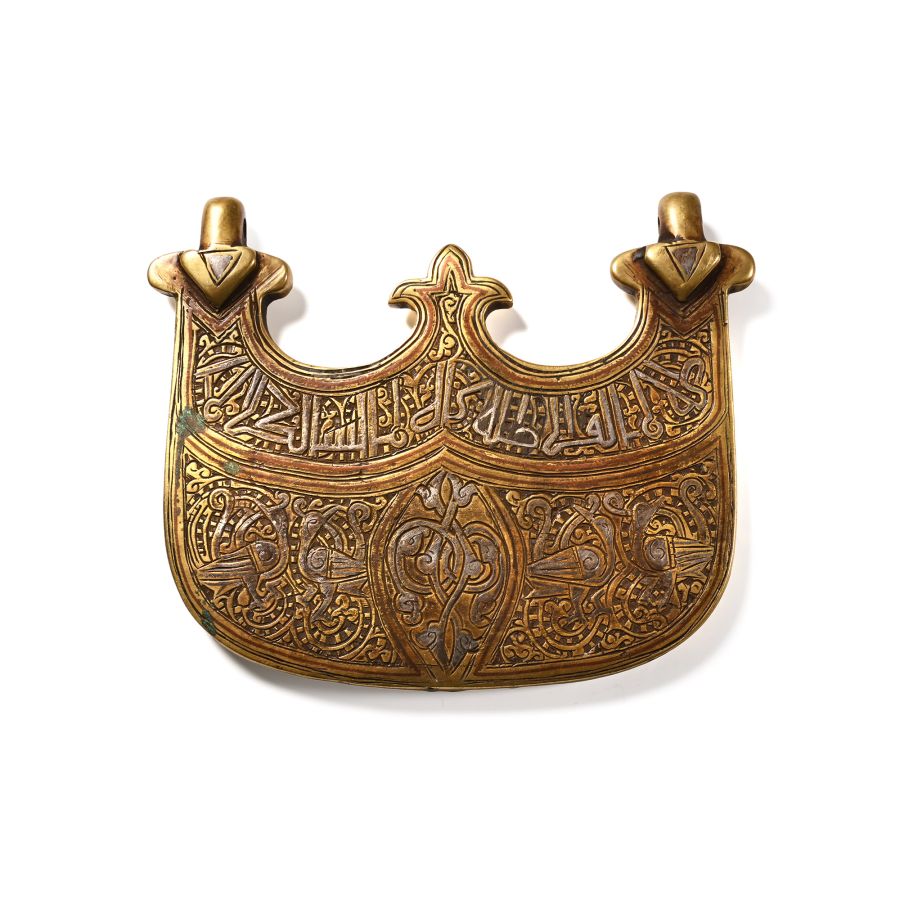
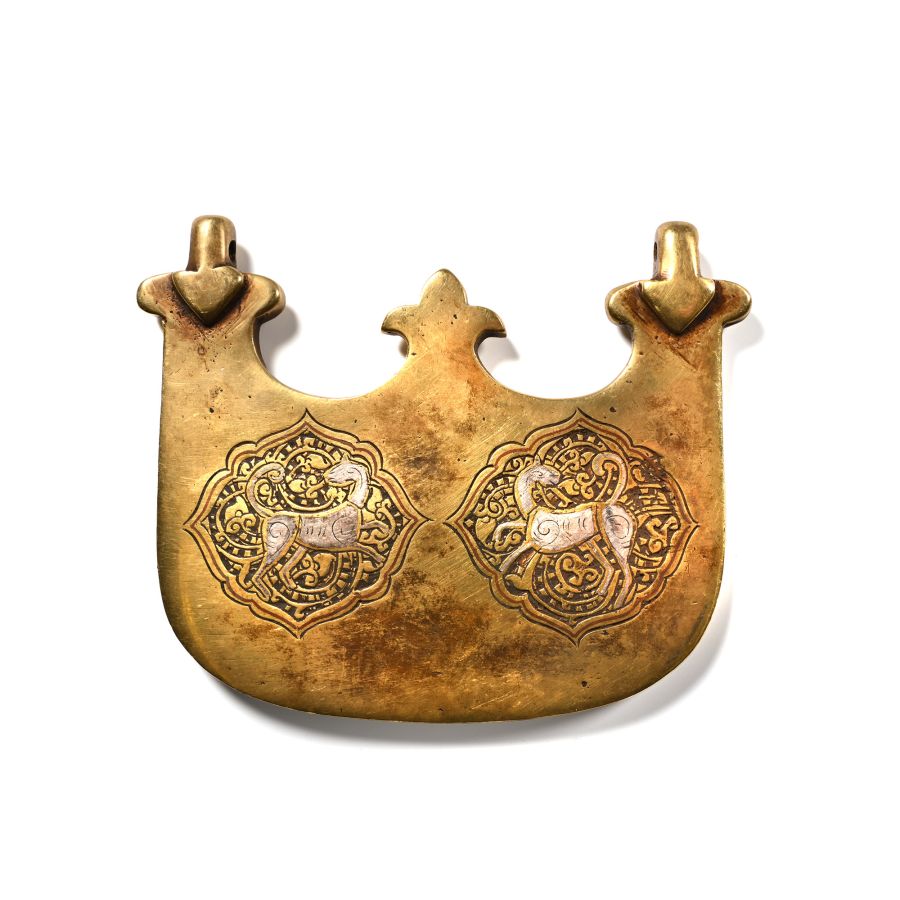
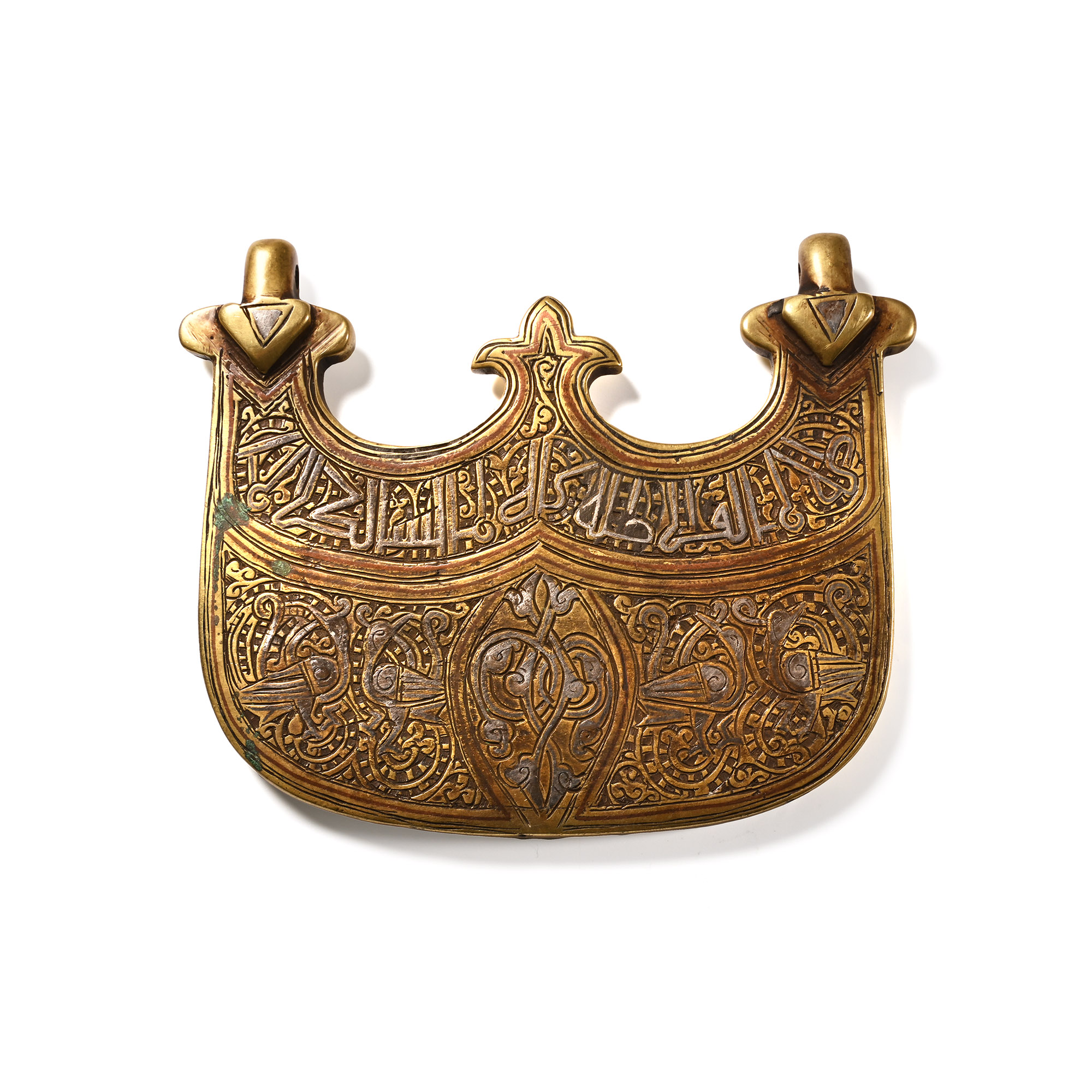
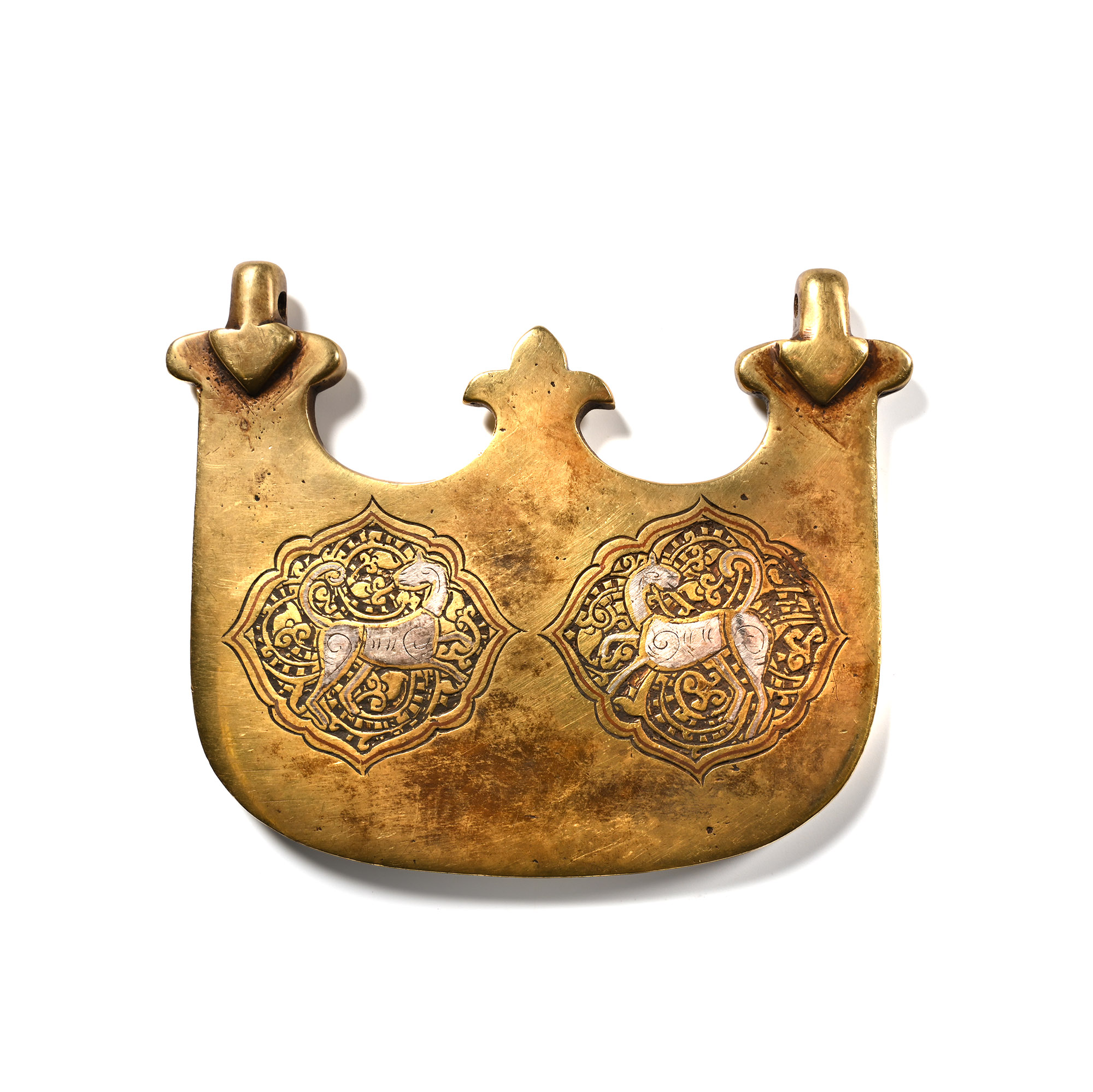
Western Asiatic Style Silver Inlaid Bronze Bifacial Calligraphic Pendant
20TH CENTURY A.D.
4 1/4 in. (304 grams, 10.7 cm).
An axe-shaped pendant with dense field of calligraphic decoration to one side, reverse with two medallions, each with a leaping feline facing back. [No Reserve]
ProvenanceFrom the family collection of a Hampstead gentleman; formerly acquired in the 1980s.
This lot is accompanied by an illustrated lot declaration signed by the Head of the Antiquities Department, Dr Raffaele D'Amato.
TimeLine Auctions follows a vetting process to ensure the authenticity and legality of all items, reinforcing our commitment to integrity and responsible trading. Each antiquity, antique, and coin lot undergoes thorough examination by a vetting committee of at least ten external specialists, professional trade association members, scientists, and archaeologists: Our Vetting Process
AUCTIONS:
TimeLine is a leading auction house specialising in antiquities, ancient art, collectables, natural history, coins, medals, and books. Our auctions offer museums, collectors, historians, and enthusiasts the opportunity to acquire unique and historically significant pieces.
LOT 1873
Western Asiatic Style Silver Inlaid Bronze Bifacial Calligraphic Pendant
Sold for (Inc. bp): £494
-
Greek Style Black Glazed Aryballos in the Shape of a Hare
20th century A.D.Sold for (Inc. bp): £117
Modelled as a reclining hare with raised head and long ears resting along the back, small spout supported by the front legs; dimpled body. 80.2 grams, 10.7 cm
with Galerie Rhéa, Zurich, Switzerland. This lot is accompanied by an illustrated lot declaration signed by the Head of the Antiquities Department, Dr Raffaele D'Amato. -
Western Asiatic Style Black Stone Head of a Ram
20th century A.D.Sold for (Inc. bp): £520
Carved in the round with recurved horns. 2.77 kg, 20 cm wide
From the family collection of a Hampstead gentleman; formerly acquired in the 1980s. This lot is accompanied by an illustrated lot declaration signed by the Head of the Antiquities Department, Dr Raffaele D'Amato. -
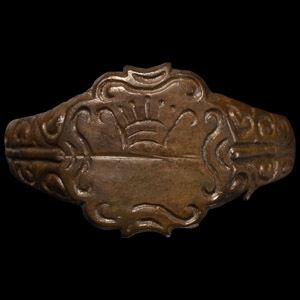
Post Medieval Bronze Ring with Crown
17th-18th century A.D.Sold for (Inc. bp): £46
With a D-section hoop, expanding shoulders with volute scrolls, decorative bezel with a crown. 5.73 grams, 24.34 mm overall, 20.83 mm internal diameter (approximate size British W, USA 11, Europe 25, Japan 24)
Ex German art market, 2000s. Acquired from an EU collector living in London. From the collection of a Surrey, UK, gentleman. This lot is accompanied by an illustrated lot declaration signed by the Head of the Antiquities Department, Dr Raffaele D'Amato.
