
Loading, please wait...
LOT 1830
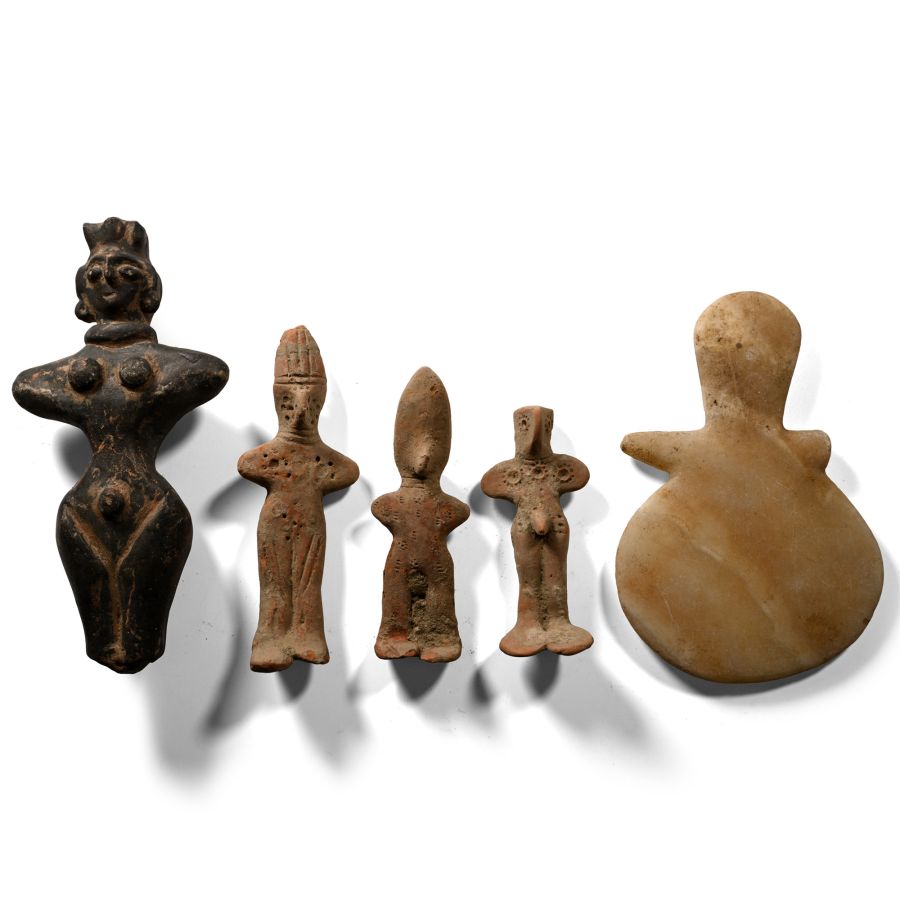
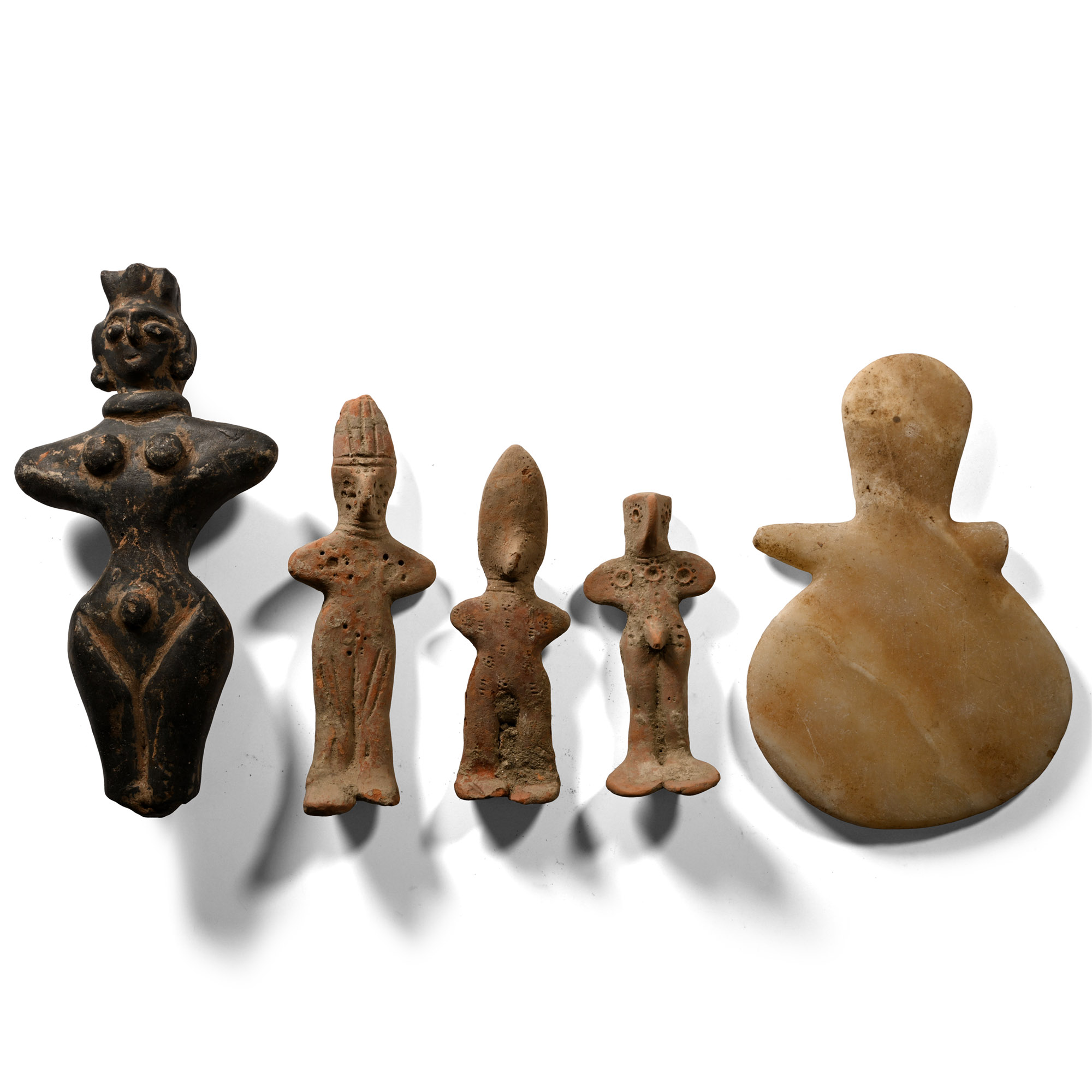
Western Asiatic Style Fertility Figure Group
20TH CENTURY A.D.
4 - 7 1/8 in. (636 grams total, 10 - 18 cm).
Comprising: one violin-type alabaster idol; a larger female idol in stone; three ceramic idols with pinched details; after the antique. [5, No Reserve]
ProvenanceEx London, UK, art market, 1990s.
From a London collection.
This lot is accompanied by an illustrated lot declaration signed by the Head of the Antiquities Department, Dr Raffaele D'Amato.
TimeLine Auctions follows a vetting process to ensure the authenticity and legality of all items, reinforcing our commitment to integrity and responsible trading. Each antiquity, antique, and coin lot undergoes thorough examination by a vetting committee of at least ten external specialists, professional trade association members, scientists, and archaeologists: Our Vetting Process
AUCTIONS:
TimeLine is a leading auction house specialising in antiquities, ancient art, collectables, natural history, coins, medals, and books. Our auctions offer museums, collectors, historians, and enthusiasts the opportunity to acquire unique and historically significant pieces.
-
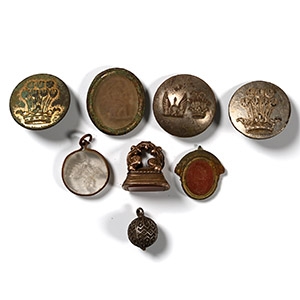
Post Medieval Bronze Artefact Group
18th-19th century A.D.Sold for (Inc. bp): £33
Comprising: three decorative buttons; fob seal matrix with plain intaglio; a spherical white metal button; a red glass intaglio with profile bust set in a fragmentary swivel mount; a clear glass pendant with three oak leaves; a glass intaglio of a seated Lady Justice set in a bronze frame. 38.3 grams total, 16-26 mm
Property of a Cambridgeshire, UK, collector. From his private collection since the 1970s; thence by descent circa 2000. Ex private collection of a Bedfordshire gentleman. This lot is accompanied by an illustrated lot declaration signed by the Head of the Antiquities Department, Dr Raffaele D'Amato. -
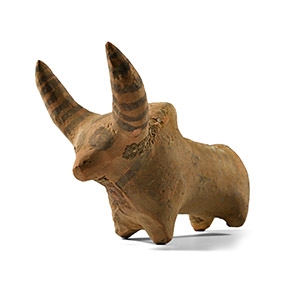
Indus Valley Style Bull Statuette
20th century A.D.Sold for (Inc. bp): £33
Modelled in the round zebu with painted detailing to horns. 101 grams, 88 mm
Ex S.M. London collection, UK, 1970-1990s. This lot is accompanied by an illustrated lot declaration signed by the Head of the Antiquities Department, Dr Raffaele D'Amato. -
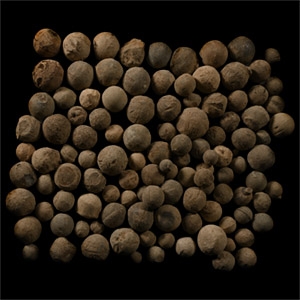
Civil War and Other Lead Musket Ball and Pistol Shot Collection
17th-19th century A.D.Sold for (Inc. bp): £20
Comprising over hundred variously sized shots, some impacted or chewed. 1.68 kg total, 6-19 mm
Found Yorkshire, UK. From the private collection of Robin Sykes, Yorkshire, UK, formed since the late 1990s. This lot is accompanied by an illustrated lot declaration signed by the Head of the Antiquities Department, Dr Raffaele D'Amato.
