
Loading, please wait...



LOT 1259
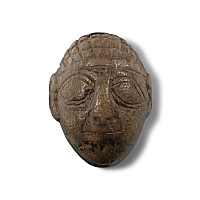
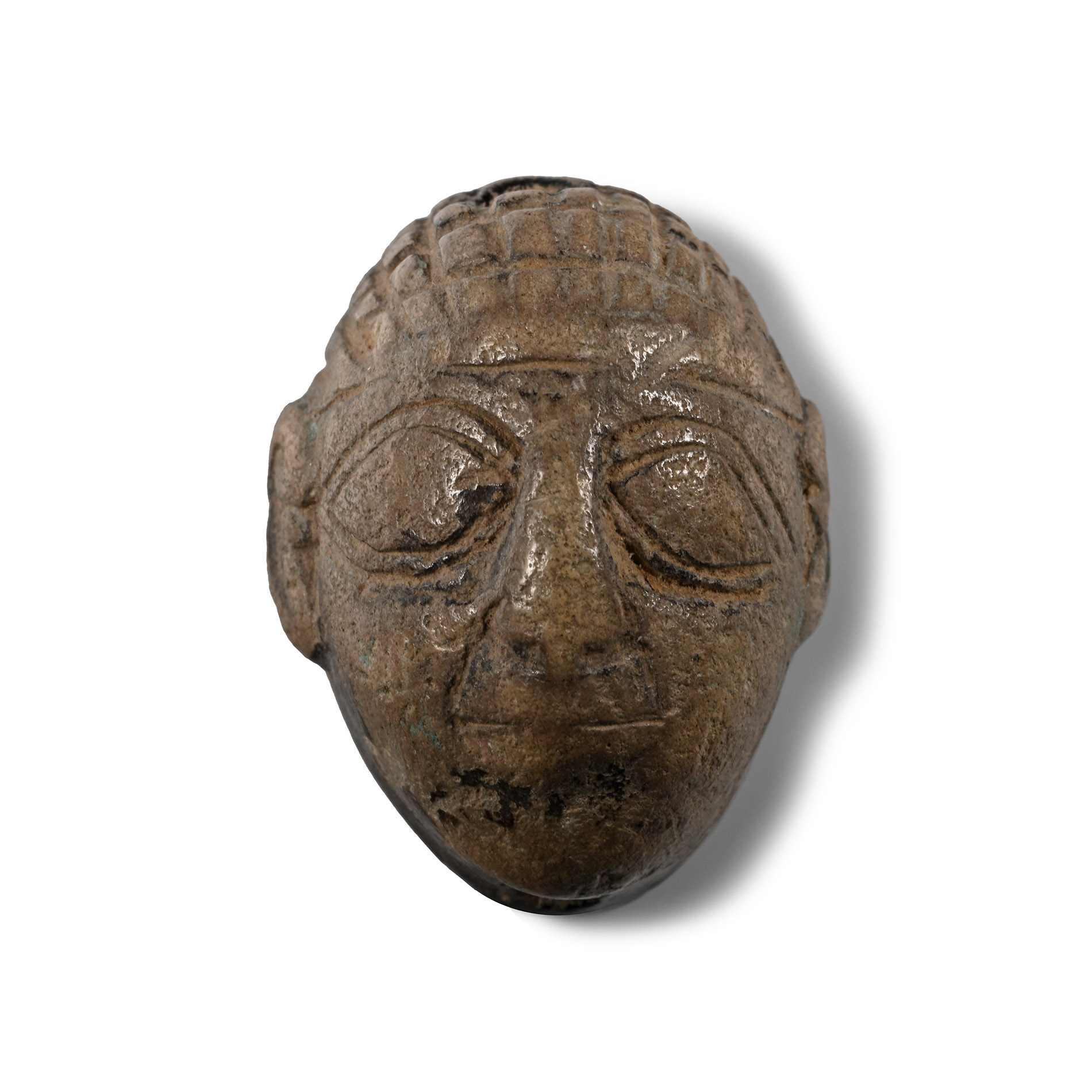
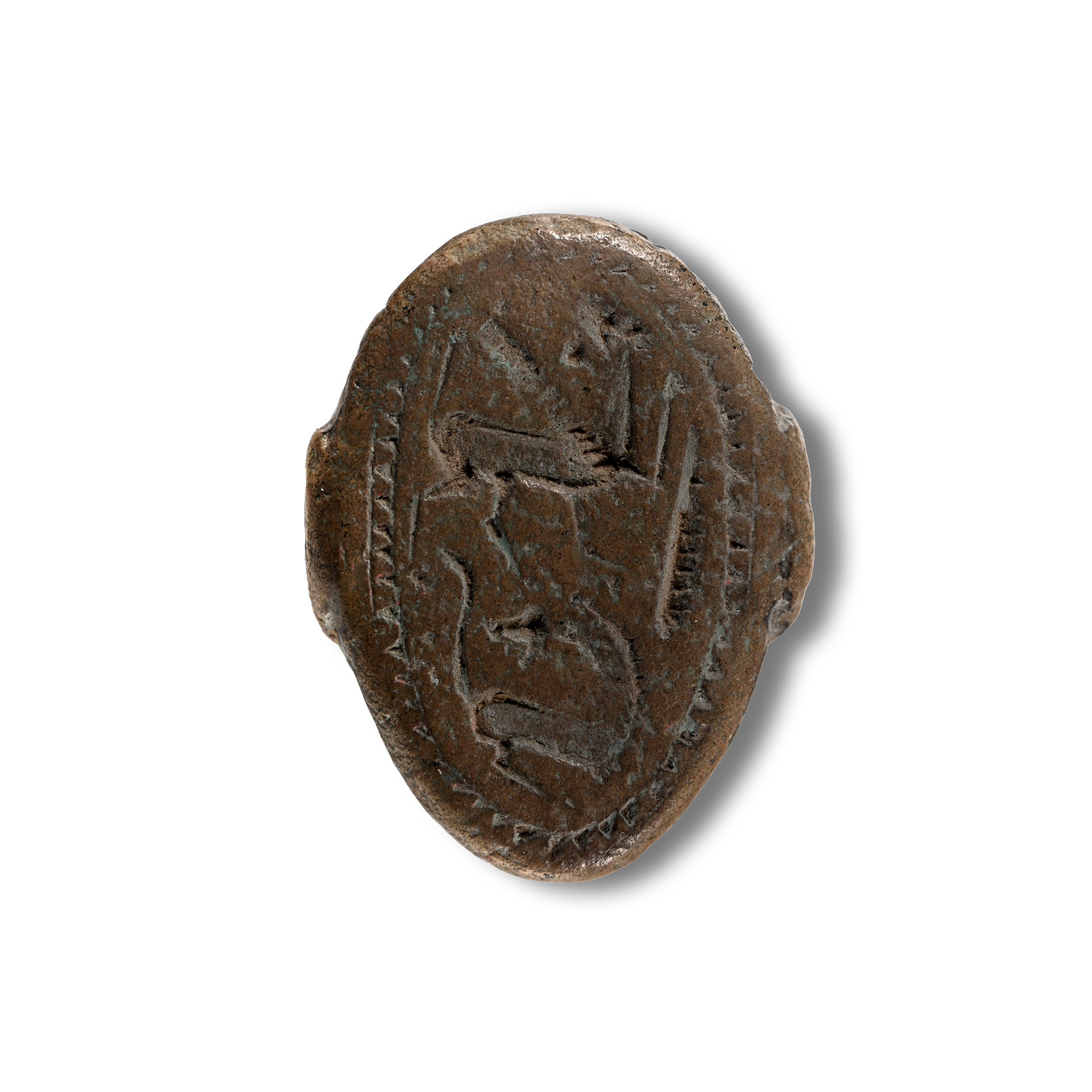
Western Asiatic Stone Stamp Seal in the Form of a Human mask
1ST MILLENNIUM B.C.
1 1/8 in. (9.17 grams, 29 mm).
Plano-convex in profile with low-relief facial features, large lentoid eyes and segmented hair; to the reverse, low-relief winged gryphons.
ProvenanceCollected from 1970-1999.
From the collection of the late Mr S.M., London, UK.
TimeLine Auctions follows a vetting process to ensure the authenticity and legality of all items, reinforcing our commitment to integrity and responsible trading. Each antiquity, antique, and coin lot undergoes thorough examination by a vetting committee of at least ten external specialists, professional trade association members, scientists, and archaeologists: Our Vetting Process
AUCTIONS:
TimeLine is a leading auction house specialising in antiquities, ancient art, collectables, natural history, coins, medals, and books. Our auctions offer museums, collectors, historians, and enthusiasts the opportunity to acquire unique and historically significant pieces.
LOT 1259
Western Asiatic Stone Stamp Seal in the Form of a Human mask
Estimate £500 - 700€580 - 810 (for guidance only)$680 - 950 (for guidance only)
-
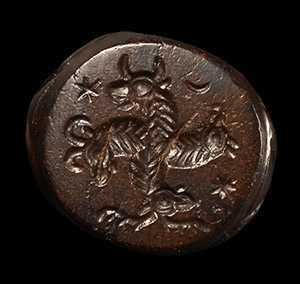
Sassanian Stone Seal with Four Animal Heads
4th-5th century A.D.Sold for (Inc. bp): £130
Plano-convex seal with conjoined animal heads; accompanied by a copy of an old scholarly note dated April 1999, typed and signed by W.G. Lambert, late Professor of Assyriology, University of Birmingham, 1970-1993, which states: 'Stamp Seal of Goethite 16x19x15.4 mm. This is a decorated ellipsoid with nearly round flat face, the back with large suspension hole and decorated with three pairs of two raised circles. The design consists of the protomes of four creatures joining the middle: bull, ram (or ibex), stag and eagle. Around them are three fillers: two stars and a crescent. This is a Sassanian seal. c.200-500 A.D. It is in very good condition and has a very rare design. No doubt there is some symbolism in these four creatures, but the present writer does not know what it is.' 8.46 grams, 19 mm
UK private collection, 1980-1983. Accompanied by a copy of a scholarly note dated April 1999, typed and signed by W.G. Lambert, late Professor of Assyriology, University of Birmingham, 1970-1993. -
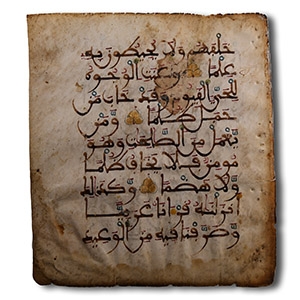
Islamic Illuminated Kufic Manuscript Page from the Qur'an
13th century A.D.Sold for (Inc. bp): £1,300
Square vellum leaf with 9 lines of Kufic script to recto and 10 to verso, black ink with liquid gold, red and blue ink diacritics and embellishments, pricked layout grid. 15 grams, 24.5 x 22 cm
From an important family collection started in the late 1950s. Property of a West London, UK, gentleman. This lot has been checked against the Interpol Database of stolen works of art and is accompanied by a search certificate number no.12281-220414. -
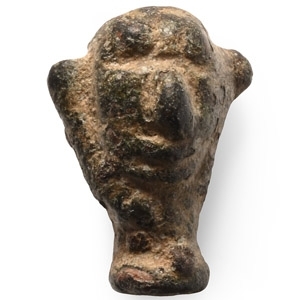
Western Asiatic Stone Pazuzu Head
1st millennium B.C.Estimate: £200 - 300 (+bp*)
Opening Bid: £100
Modelled in the round with protruding ears and pinched facial detailing; socket above the head. 7.03 grams, 19 mm
Acquired 1980-2015. Ex Abelita family collection.
