
Loading, please wait...


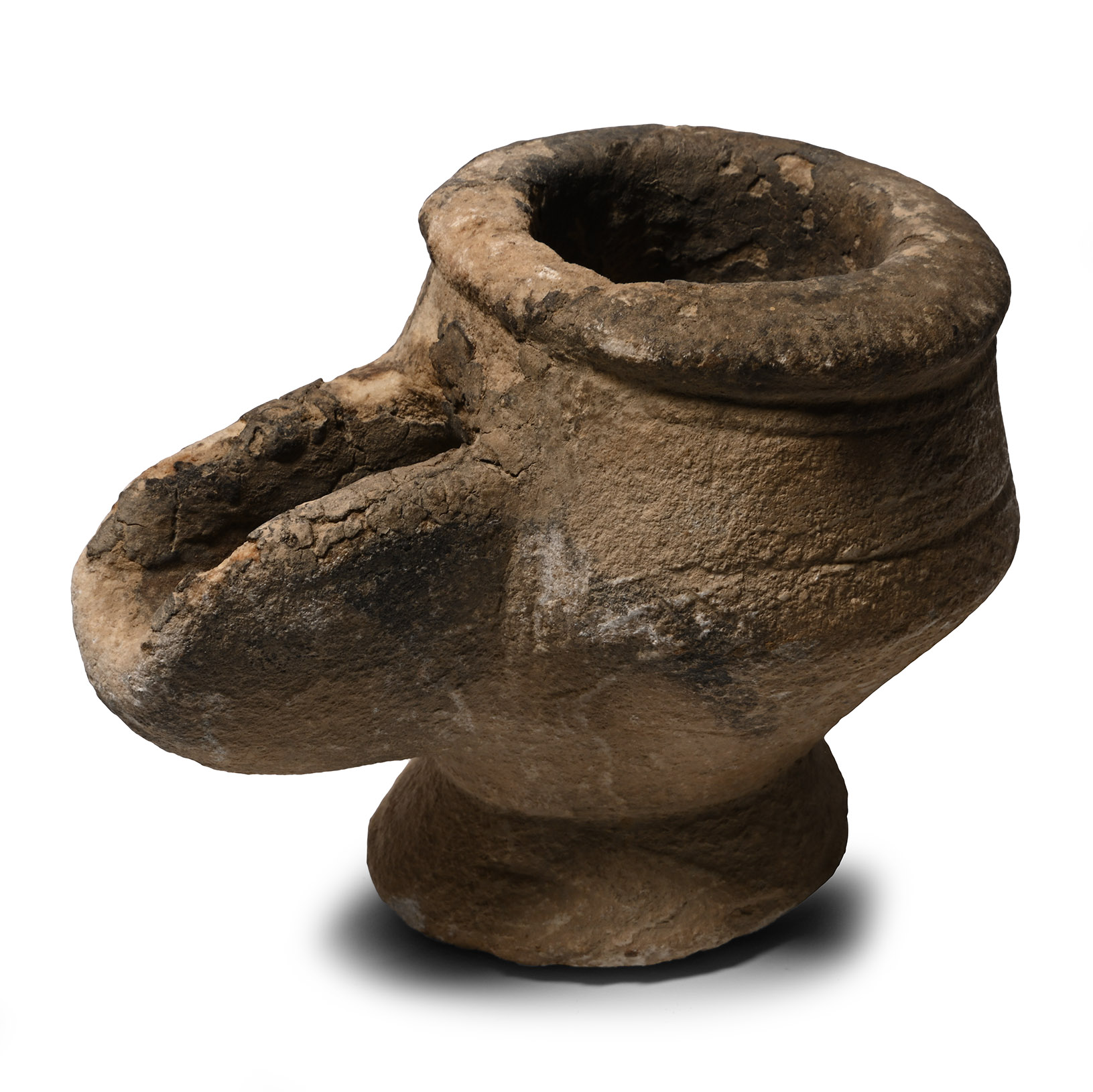
LOT 1195
Western Asiatic Stone Libation Bowl
1ST MILLENNIUM B.C.
4 3/4 in. (667 grams total, 11.9 cm).
With a biconical body and flared foot set off-centre, large U-shaped spout and flat rim.
ProvenanceFrom a collection formed before 1988, London and Geneva.
This lot has been cleared against the Art Loss Register database, and is accompanied by an illustrated lot declaration signed by the Head of the Antiquities Department, Dr Raffaele D'Amato.
TimeLine Auctions follows a vetting process to ensure the authenticity and legality of all items, reinforcing our commitment to integrity and responsible trading. Each antiquity, antique, and coin lot undergoes thorough examination by a vetting committee of at least ten external specialists, professional trade association members, scientists, and archaeologists: Our Vetting Process
AUCTIONS:
TimeLine is a leading auction house specialising in antiquities, ancient art, collectables, natural history, coins, medals, and books. Our auctions offer museums, collectors, historians, and enthusiasts the opportunity to acquire unique and historically significant pieces.
LOT 1195
Western Asiatic Stone Libation Bowl
Estimate £100 - 140€120 - 160 (for guidance only)$140 - 190 (for guidance only)
-
.jpg)
Western Asiatic Banded Agate Bead Necklace String
1st millennium B.C. and laterSold for (Inc. bp): £208
Restrung on a cotton thread, composed mainly of cylindrical, biconical and tabular beads. 62.9 grams, 36 cm
From the family collection of a Hampstead gentleman; formerly acquired in the 1980s. -
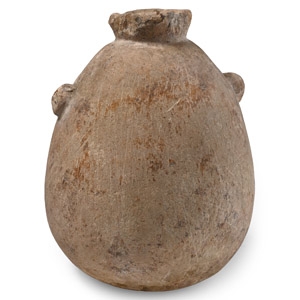
Western Asiatic Alabaster Vessel with Lug Handles
2nd-1st millennium B.C.Estimate: £250 - 350 (+bp*)
Opening Bid: £125
Carved bag-shaped body with two lateral unpierced lug handles at the shoulder, flared rim to the mouth. 984 grams, 12.5 cm
Ex William Ohly, 1883-1955. Ex Abbey Museum, Barnet, by descent. -
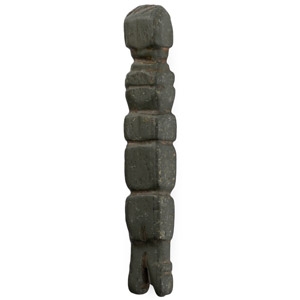
Western Asiatic Stone Implement
1st millennium B.C.Sold for (Inc. bp): £39
Square in section with segmented body and forked end; possibly a yarn-winding tool. 50 grams, 10.6 cm
with Archaeologia, Switzerland, before 1983. Ex private North American collection. London private collection, 2016.
