
Loading, please wait...
LOT 1358
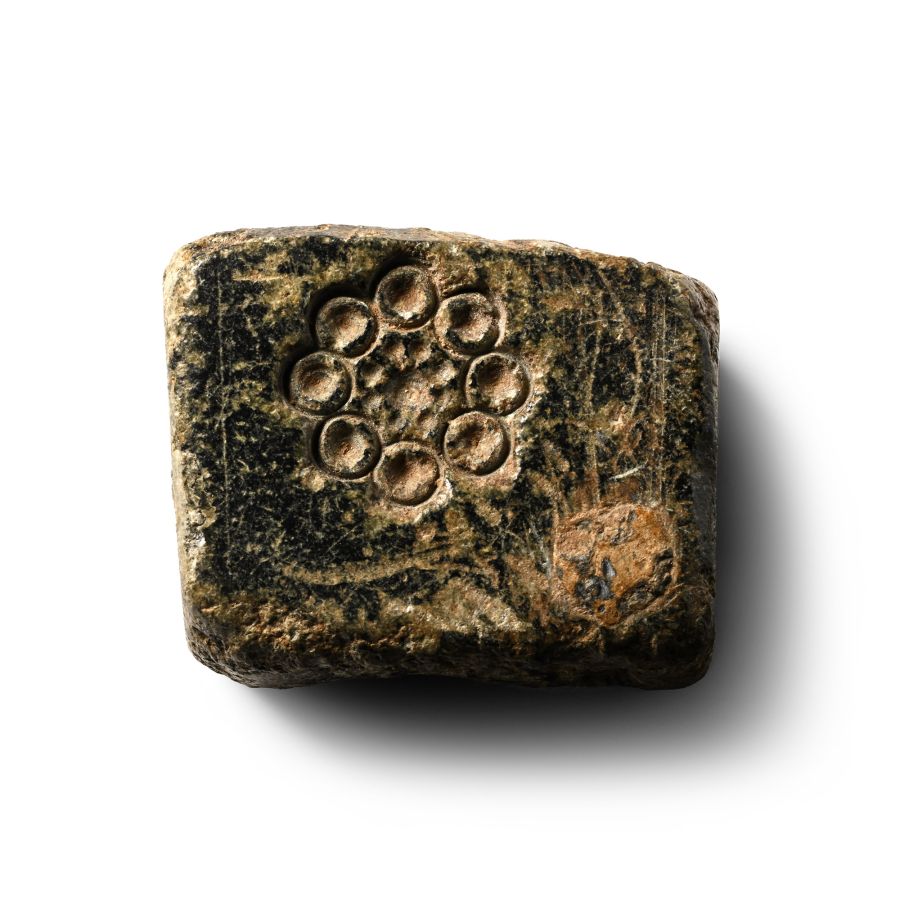
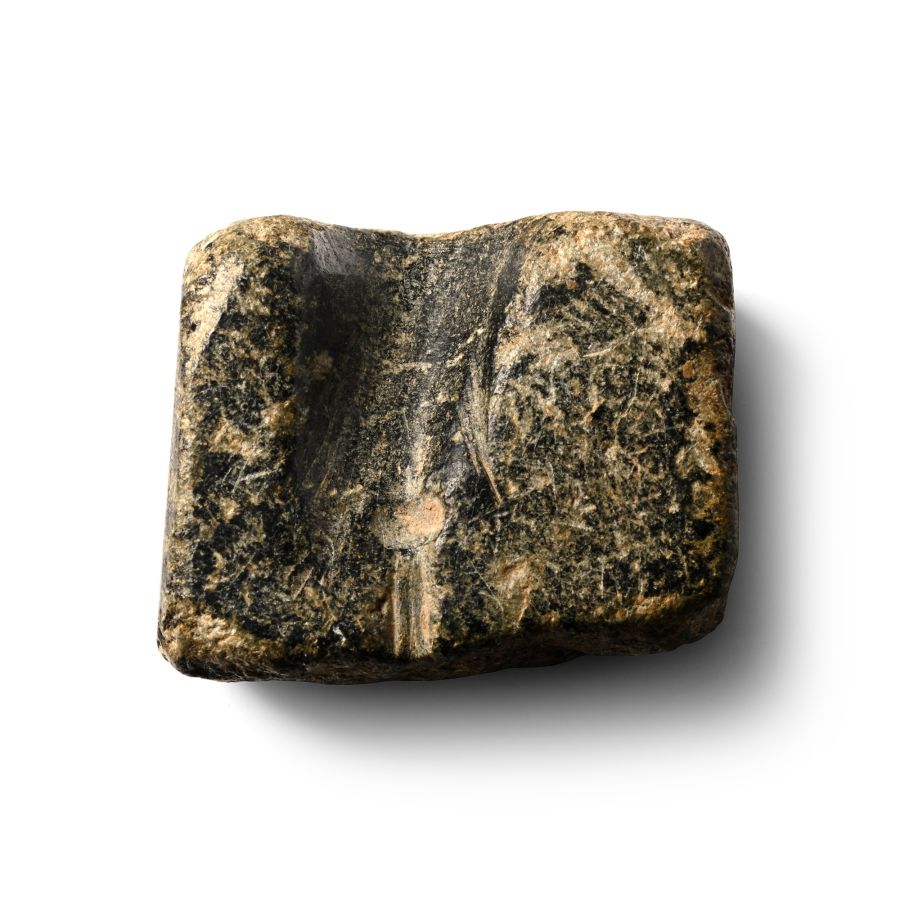
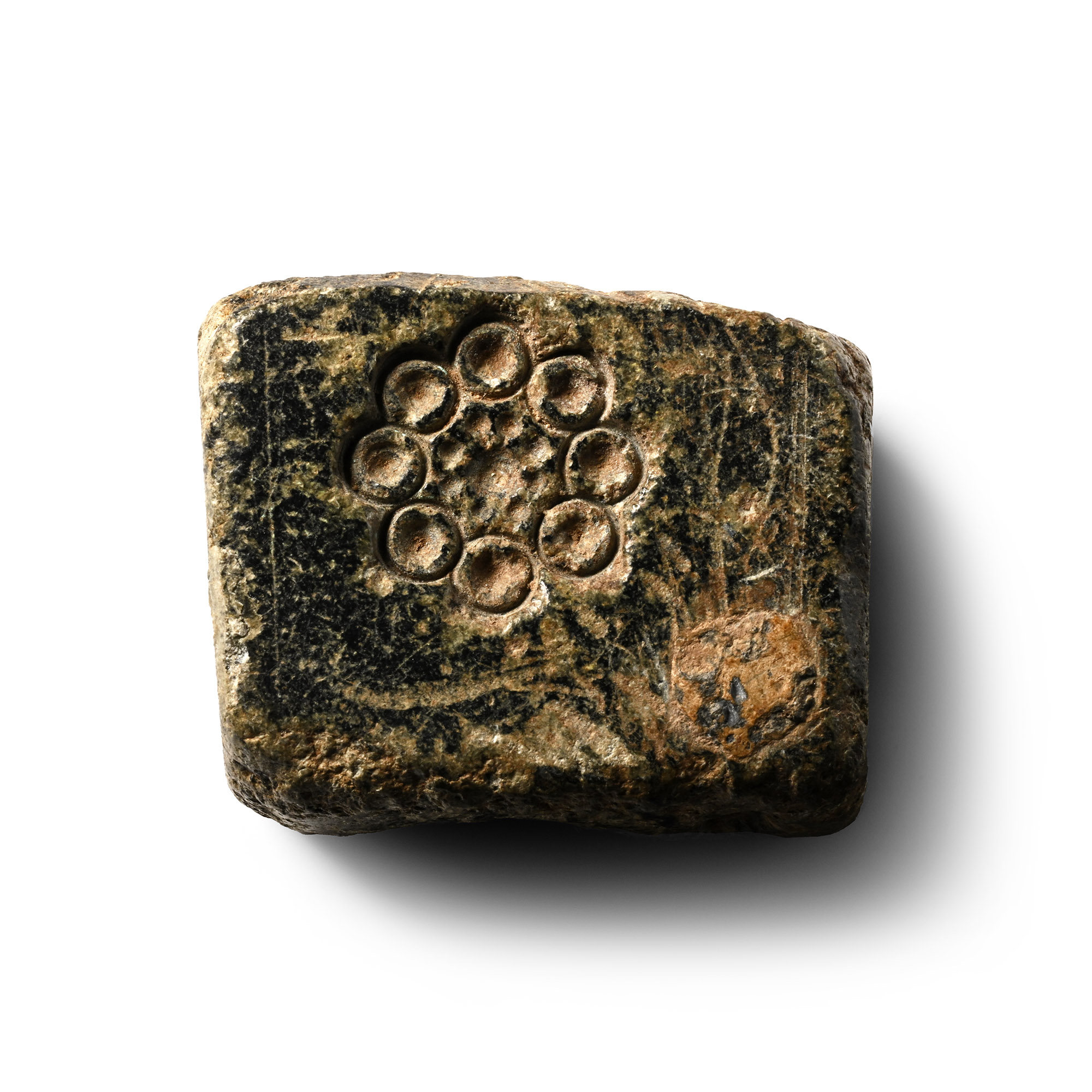
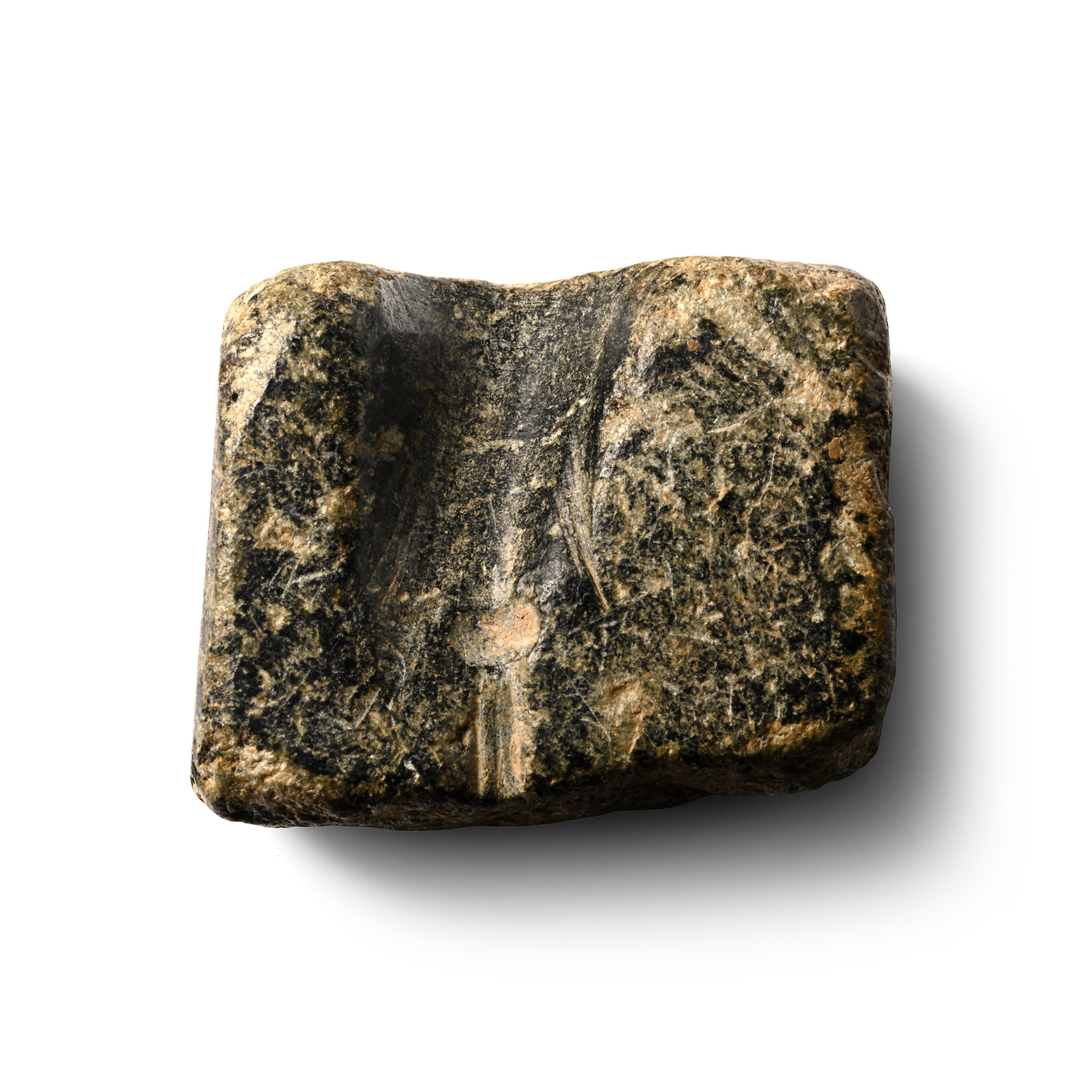
Western Asiatic Stone Jewellery Mould
CIRCA 10TH-14TH CENTURY A.D.
1 1/2 in. (49 grams, 37 mm).
Rectangular in plan with vent and pouring channel to the reverse, incuse rosette pattern to obverse. [No Reserve]
ProvenanceFrom the collection of a Buckinghamshire, UK, collector established from the earlier 1960s.
FootnotesIntended for one-piece casting for small jewellery components.
CONDITIONTimeLine Auctions follows a vetting process to ensure the authenticity and legality of all items, reinforcing our commitment to integrity and responsible trading. Each antiquity, antique, and coin lot undergoes thorough examination by a vetting committee of at least ten external specialists, professional trade association members, scientists, and archaeologists: Our Vetting Process
AUCTIONS:
TimeLine is a leading auction house specialising in antiquities, ancient art, collectables, natural history, coins, medals, and books. Our auctions offer museums, collectors, historians, and enthusiasts the opportunity to acquire unique and historically significant pieces.
-
Western Asiatic Bronze Amulet of a Deer's Head
2nd-1st millennium B.C.Estimate: £180 - 240 (‡+bp*)
Opening Bid: £90
Modelled in the round with large alert ears, deeply incised facial detailing. 6.16 grams, 21 mm
Ex Dr. Leo Mildenberg, Zurich, 1990s. Acquired by Galerie Rhéa, Zurich, from the above in 1999. -
Western Asiatic Bronze Bowl
Mid 1st millennium B.C.Estimate: £100 - 140 (+bp*)
Opening Bid: £50
Broad and squat with lip to the inner edge of the rim. 150 grams, 14.2 cm wide
Ex 1990s collection and with a central London gallery. -
.jpg)
Sasanian Bronze Ring with Insect Gemstone
3rd-5th century A.D.Sold for (Inc. bp): £91
Inset scaraboid with intaglio insect (hornet?) to the gemstone. 4.07 grams, 26.53 mm overall, 18.06 mm internal diameter (approximate size British O, USA 7, Europe 14.98, Japan 14)
Acquired on the UK art market before 2000. Property of an Essex, UK, gentleman.
