
Loading, please wait...
LOT 1275
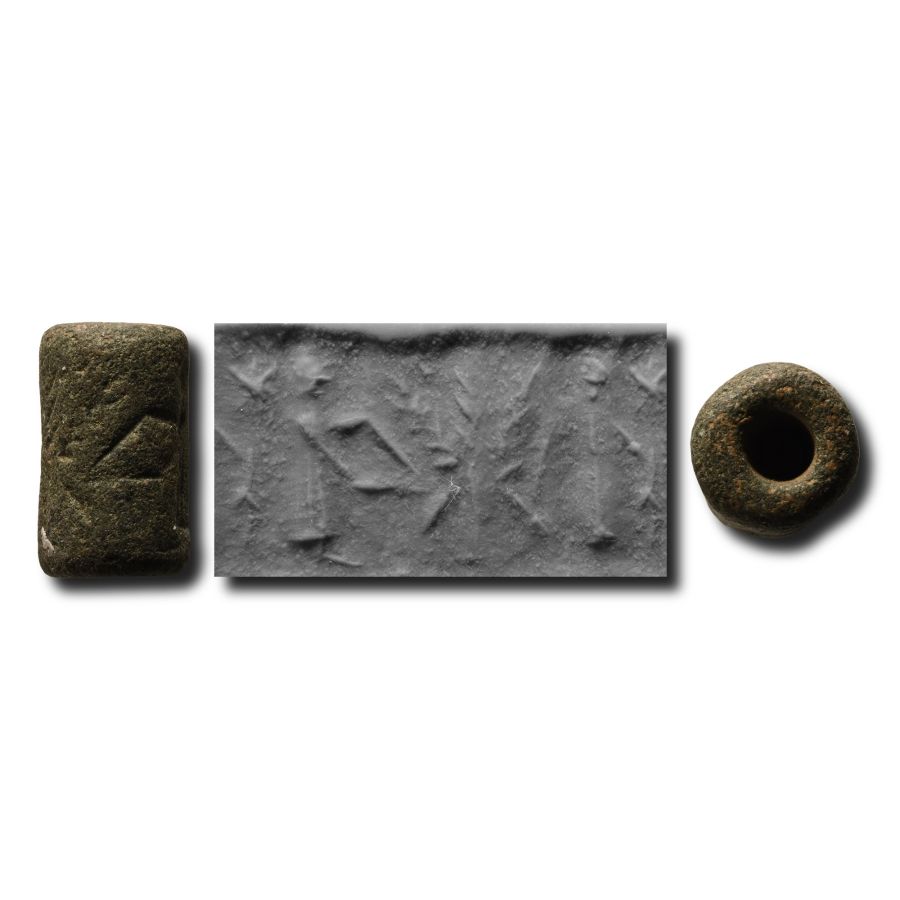
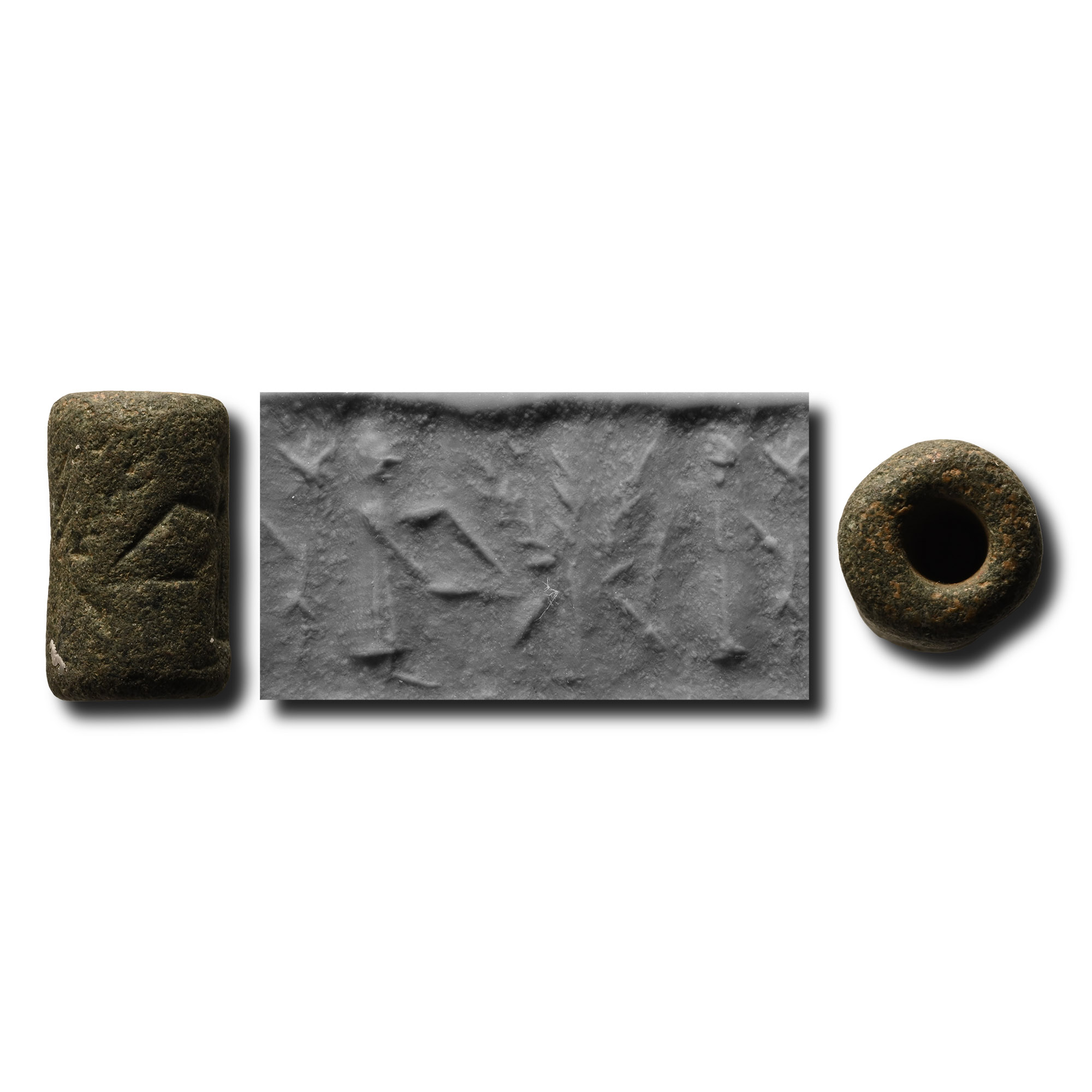
Western Asiatic Stone Cylinder Seal
1ST MILLENNIUM B.C.
3/4 in. (4.78 grams, 20 mm).
Tubular in form with lightly-incised rectilinear images and text. [No Reserve]
ProvenanceFrom the 'S' collection, acquired 1970-1990s.
The collection was seen and studied by W.G. Lambert, late Professor of Assyriology at the University of Birmingham, 1970-1993.
TimeLine Auctions follows a vetting process to ensure the authenticity and legality of all items, reinforcing our commitment to integrity and responsible trading. Each antiquity, antique, and coin lot undergoes thorough examination by a vetting committee of at least ten external specialists, professional trade association members, scientists, and archaeologists: Our Vetting Process
AUCTIONS:
TimeLine is a leading auction house specialising in antiquities, ancient art, collectables, natural history, coins, medals, and books. Our auctions offer museums, collectors, historians, and enthusiasts the opportunity to acquire unique and historically significant pieces.
-
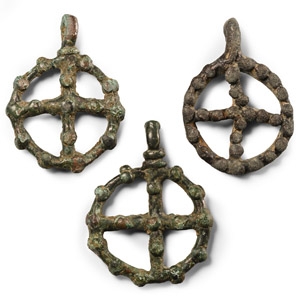
Amlash Bronze Openwork Pendant Group
1st millennium B.C.Sold for (Inc. bp): £104
Comprising three openwork pendants with central cross motifs, applied pellets throughout. 61.2 grams total, 48-51 mm
UK private collection before 2000. On the UK art market. Property of a London gentleman. -
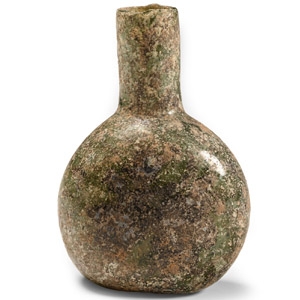
Western Asiatic Glass Bottle
Circa 10th-12th century A.D.Sold for (Inc. bp): £52
Elliptical in section with dimple base, columnar neck. 18 grams, 55 mm
Acquired 1980-2015. Ex Abelita family collection. -
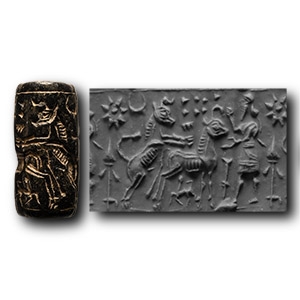
Mesopotamian Cylinder Seal with Figure and Horses
1st millennium B.C.Sold for (Inc. bp): £845
With frieze depicting a kilted male figure facing two horses, with stars and other items in the field; supplied with a museum-quality impression. 18.25 grams, 35 mm
From a collection acquired from various auction houses in the UK. From the estate of Mr R.W., a private Wiltshire, UK, collector; thence by descent.
