
Loading, please wait...
LOT 1244
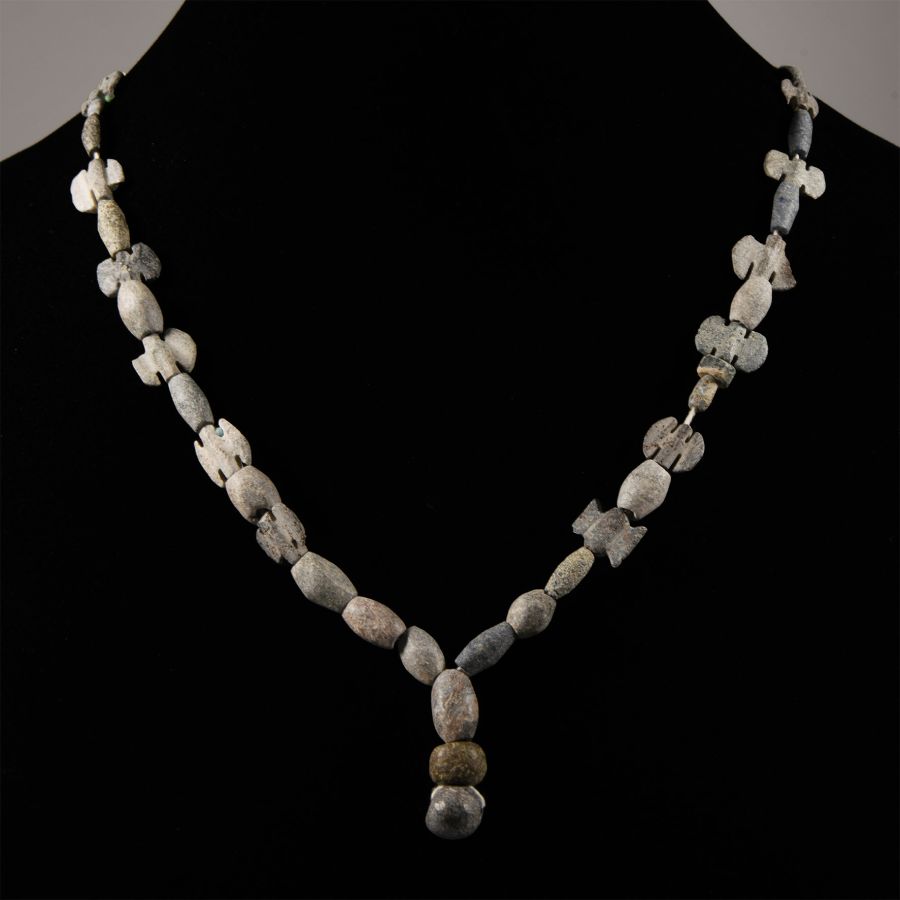
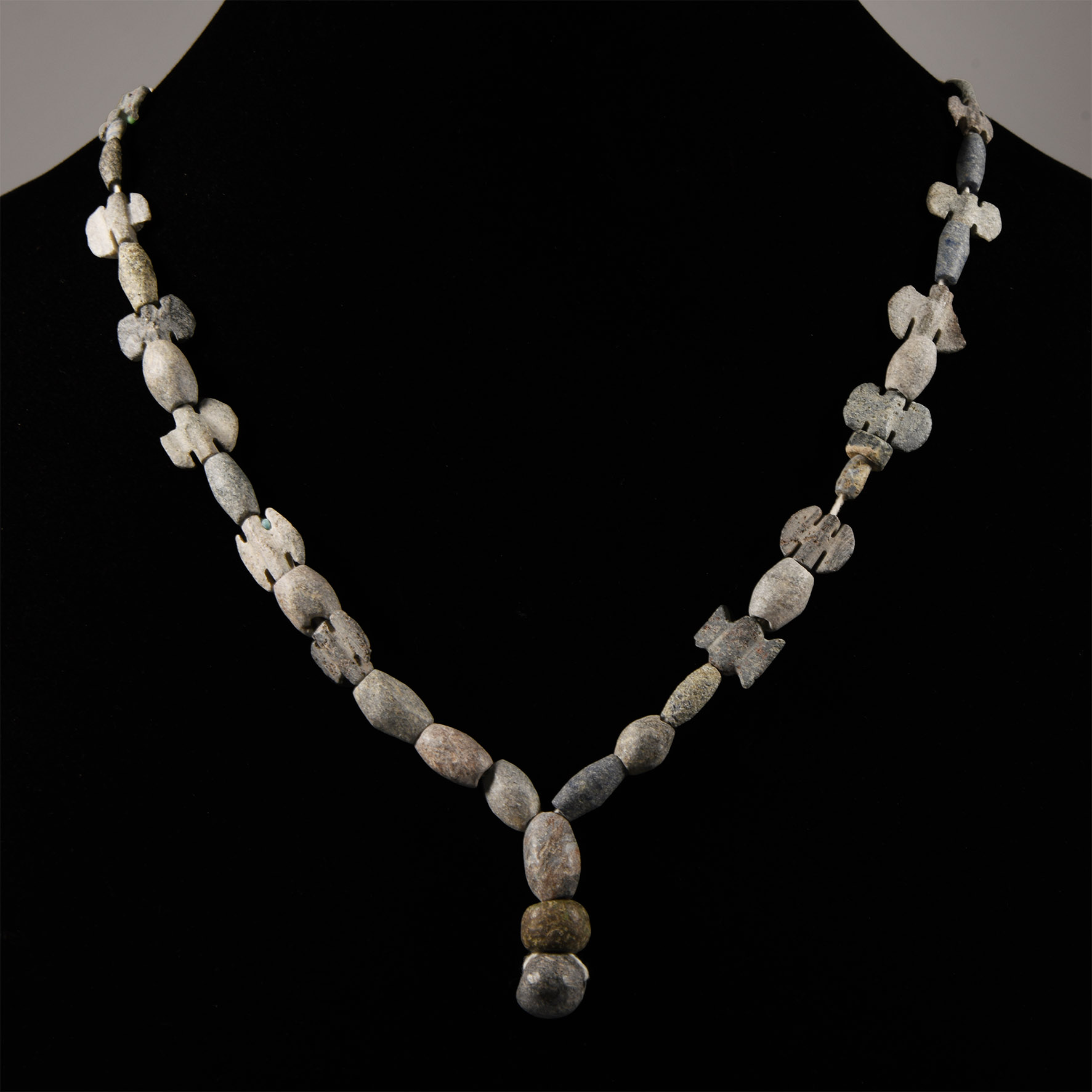
Western Asiatic Stone Butterfly Bead Necklace
4TH MILLENNIUM B.C.
14 1/2 in. (29.8 grams, 37 cm).
Graduated group of restrung butterfly-shaped beads with labrys-shaped spacers. [No Reserve]
ProvenanceAcquired 1980-2015.
Ex Abelita family collection.
TimeLine Auctions follows a vetting process to ensure the authenticity and legality of all items, reinforcing our commitment to integrity and responsible trading. Each antiquity, antique, and coin lot undergoes thorough examination by a vetting committee of at least ten external specialists, professional trade association members, scientists, and archaeologists: Our Vetting Process
AUCTIONS:
TimeLine is a leading auction house specialising in antiquities, ancient art, collectables, natural history, coins, medals, and books. Our auctions offer museums, collectors, historians, and enthusiasts the opportunity to acquire unique and historically significant pieces.
-
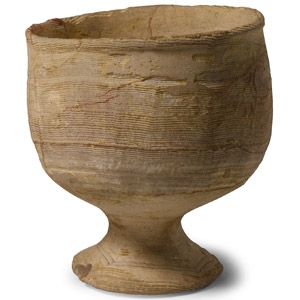
Mesopotamian Alabaster Chalice
Circa 2nd-1st millennium B.C.Sold for (Inc. bp): £104
With deep bowl and slightly flared rim, narrow stem and flared foot. 352 grams, 90 mm
From a collection acquired on the UK art market from various auction houses and collections mostly before 2000. From an important Cambridgeshire estate; thence by descent. -
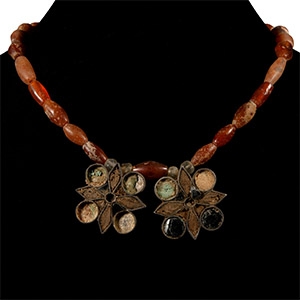
Elamite Silver Flower Pendant
1st millennium B.C.Estimate: £400 - 600 (+bp*)
Opening Bid: £200
A restrung necklace of fusiform and tubular carnelian beads with two silver cloisonné pendant quatrefoils with haematite discs in the spandrels, inset glass and other panels, oval rock crystal beads flanking. 59 grams, 43 cm
Fine condition.
Acquired 1990s. With a London gallery. Property of a London collector; from her family's private collection. -
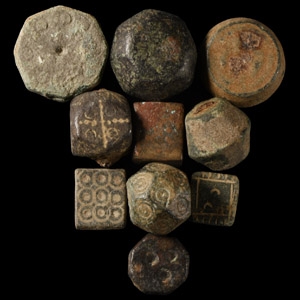
Western Asiatic Bronze Weight Collection
Circa 8th-12th century A.D.Sold for (Inc. bp): £111
Including barrel-shaped, cuboid, biconvex, tabular and other types, some with punched markings. 135 grams total, 11-20 mm
Ex Simmons gallery, London, UK. Ex North London collection, 1990s.
