
Loading, please wait...

LOT 1065
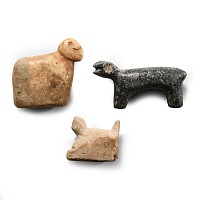
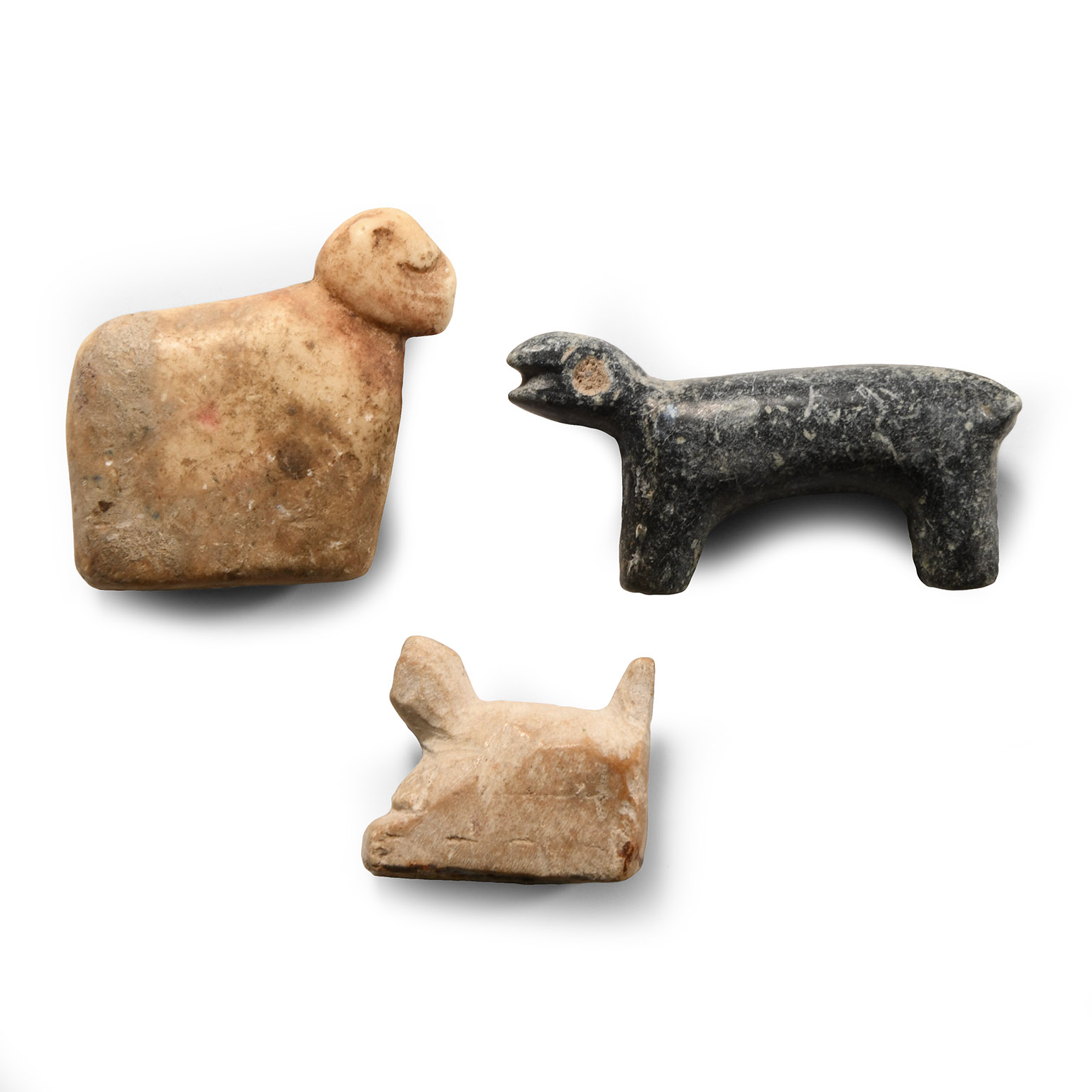
Western Asiatic Stone Animal Amulet Group
1ST MILLENNIUM B.C.
1 - 2 in. (53 grams total, 27-50 mm).
Modelled in the round, including a polished hound with inlaid eyes. [3, No Reserve]
ProvenanceFrom a collection acquired on the UK art market from various auction houses and collections mostly before 2000.
From an important Cambridgeshire estate; thence by descent.
TimeLine Auctions follows a vetting process to ensure the authenticity and legality of all items, reinforcing our commitment to integrity and responsible trading. Each antiquity, antique, and coin lot undergoes thorough examination by a vetting committee of at least ten external specialists, professional trade association members, scientists, and archaeologists: Our Vetting Process
AUCTIONS:
TimeLine is a leading auction house specialising in antiquities, ancient art, collectables, natural history, coins, medals, and books. Our auctions offer museums, collectors, historians, and enthusiasts the opportunity to acquire unique and historically significant pieces.
-
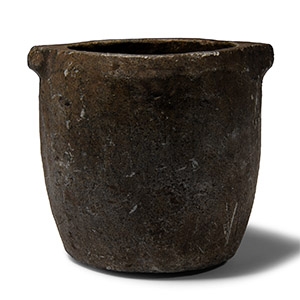
Western Asiatic Grey Stone Vessel
Circa 1st millennium B.C.Sold for (Inc. bp): £33
Barrel-shaped in profile with two lateral lugs below the rim. 812 grams, 10 cm
From a collection acquired on the UK art market from various auction houses and collections mostly before 2000. From an important Cambridgeshire estate; thence by descent. -
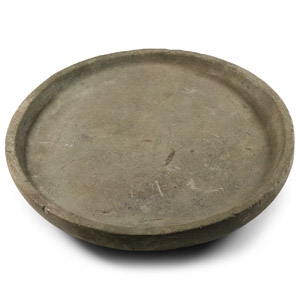
Western Asiatic Schist Votive Offering Table
1st millennium B.C.Sold for (Inc. bp): £59
Discoid in plan with basal ring and shallow dished face. 2.05 kg, 21.7 cm wide
From a collection acquired on the UK art market from various auction houses and collections mostly before 2000. From an important Cambridgeshire estate; thence by descent. -
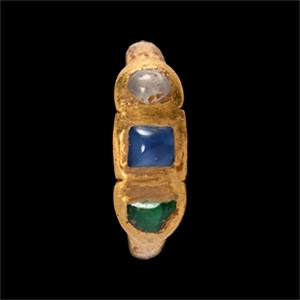
Western Asiatic Gold Ring with Gemstones
1st century A.D.Sold for (Inc. bp): £3,380
Tapering shank with bezel formed as a segmented inverted cone, with inset cabochon emerald, replicant sapphire, and rock crystal. 6.23 grams, 20.78 mm overall, 15.40 mm internal diameter (approximate size British I, USA 4 1/4, Europe 7.44, Japan 7)
Ex London, UK, collection of a gentleman, 1970s. This lot has been checked against the Interpol Database of stolen works of art and is accompanied by a search certificate number no.12267-221081.
