
Loading, please wait...

LOT 1090
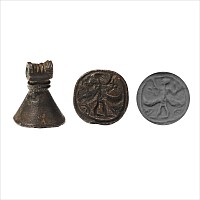
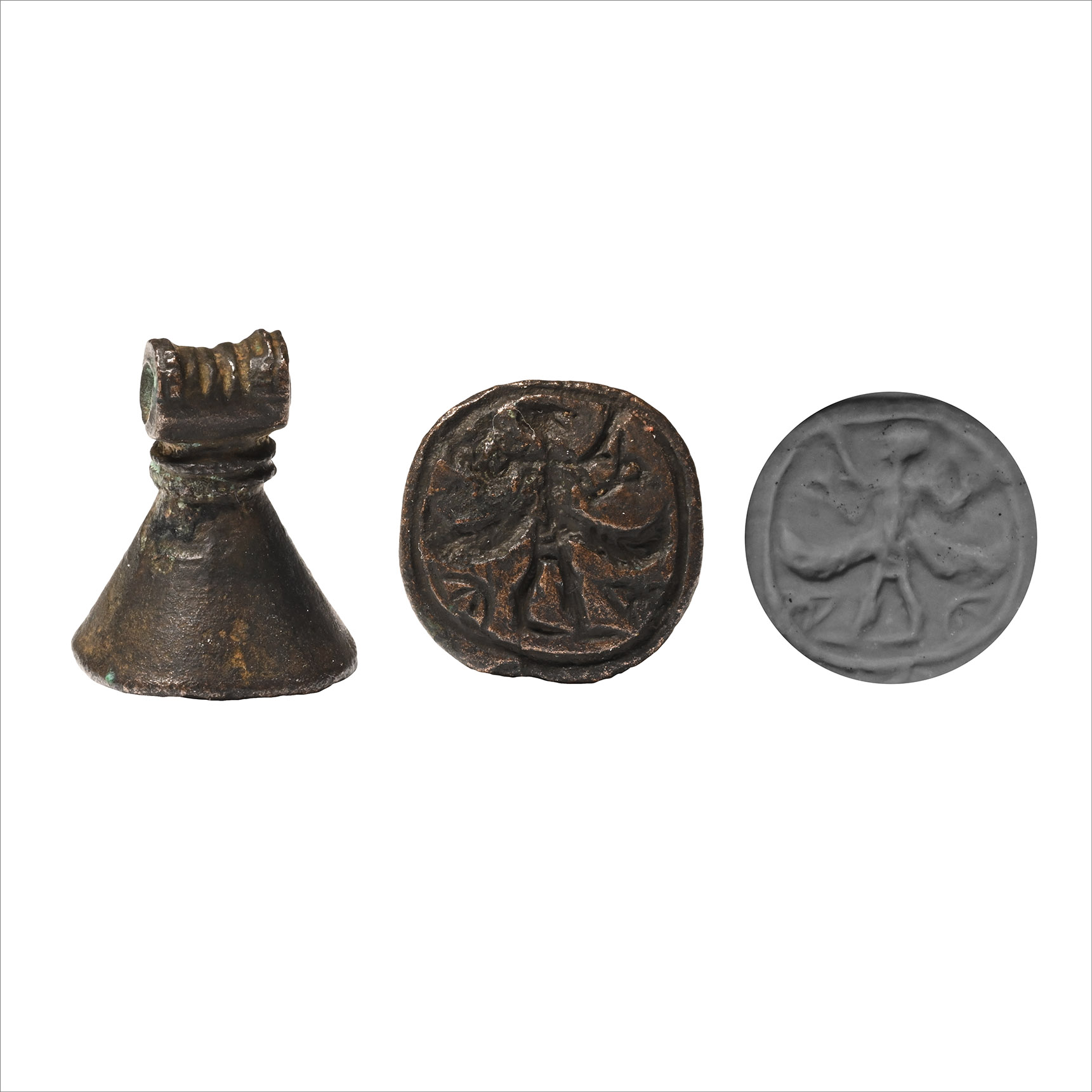
Western Asiatic Stamp Seal with Winged Man
2ND-1ST MILLENNIUM B.C.
5/8 in. (6.8 grams, 16 mm).
Conical body with ribbed collar and loop, raised plaque to the underside with incuse image of winged figure, possibly Abraxas.
ProvenanceFrom the collection of a gentleman, acquired on the London art market in the 1990s.
CONDITIONTimeLine Auctions follows a vetting process to ensure the authenticity and legality of all items, reinforcing our commitment to integrity and responsible trading. Each antiquity, antique, and coin lot undergoes thorough examination by a vetting committee of at least ten external specialists, professional trade association members, scientists, and archaeologists: Our Vetting Process
AUCTIONS:
TimeLine is a leading auction house specialising in antiquities, ancient art, collectables, natural history, coins, medals, and books. Our auctions offer museums, collectors, historians, and enthusiasts the opportunity to acquire unique and historically significant pieces.
LOT 1090
Western Asiatic Stamp Seal with Winged Man
Estimate £300 - 400€350 - 460 (for guidance only)$410 - 540 (for guidance only)
-
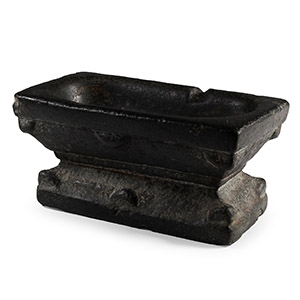
Western Asiatic Black Stone Altar Piece
1st millennium B.C.-1st millennium A.D.Estimate: £3,000 - 4,000 (+bp*)
Opening Bid: £1,000
Comprising a rectangular base with socketed underside, chamfered sides with lugs to the angles and middle of the long sides, gusseted median band, similar chamfered sides with lugs and deep socket to the upper face; usage wear and chip to rim. 2.88 kg, 20 cm
Ex London, UK, gallery, 1971-early 2000s. Property of a London gentleman. This lot has been checked against the Interpol Database of stolen works of art and is accompanied by a search certificate number no.12266-218640. -
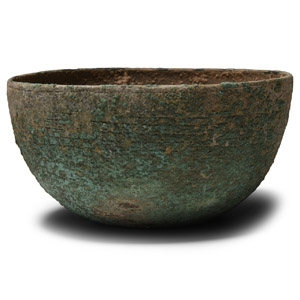
Luristan Bronze Bowl
13th-7th century B.C.Sold for (Inc. bp): £104
Hemispherical in profile with thin sidewall and circumferential lines below the rim. 109 grams, 10.2 cm
From a 1990s German collection. Ex London, UK, gallery. -
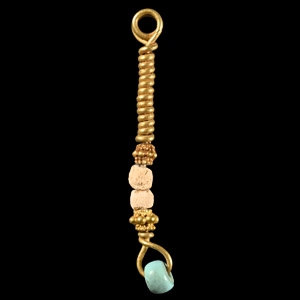
Western Asiatic Gold and Bead Pendant
1st millennium B.C.Sold for (Inc. bp): £117
Gold wire dangle with turquoise and other beads. 1.5 grams, 36 mm
Ex property of a late Japanese collector, 1970s-2000s.
