
Loading, please wait...
LOT 1080
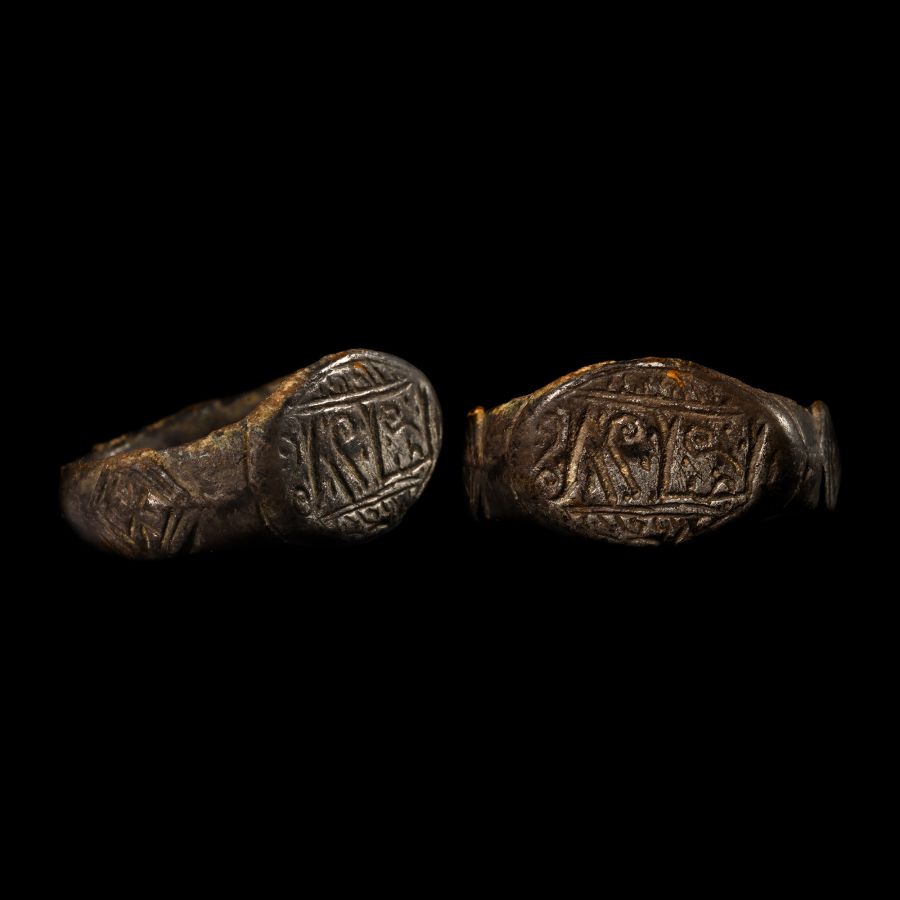
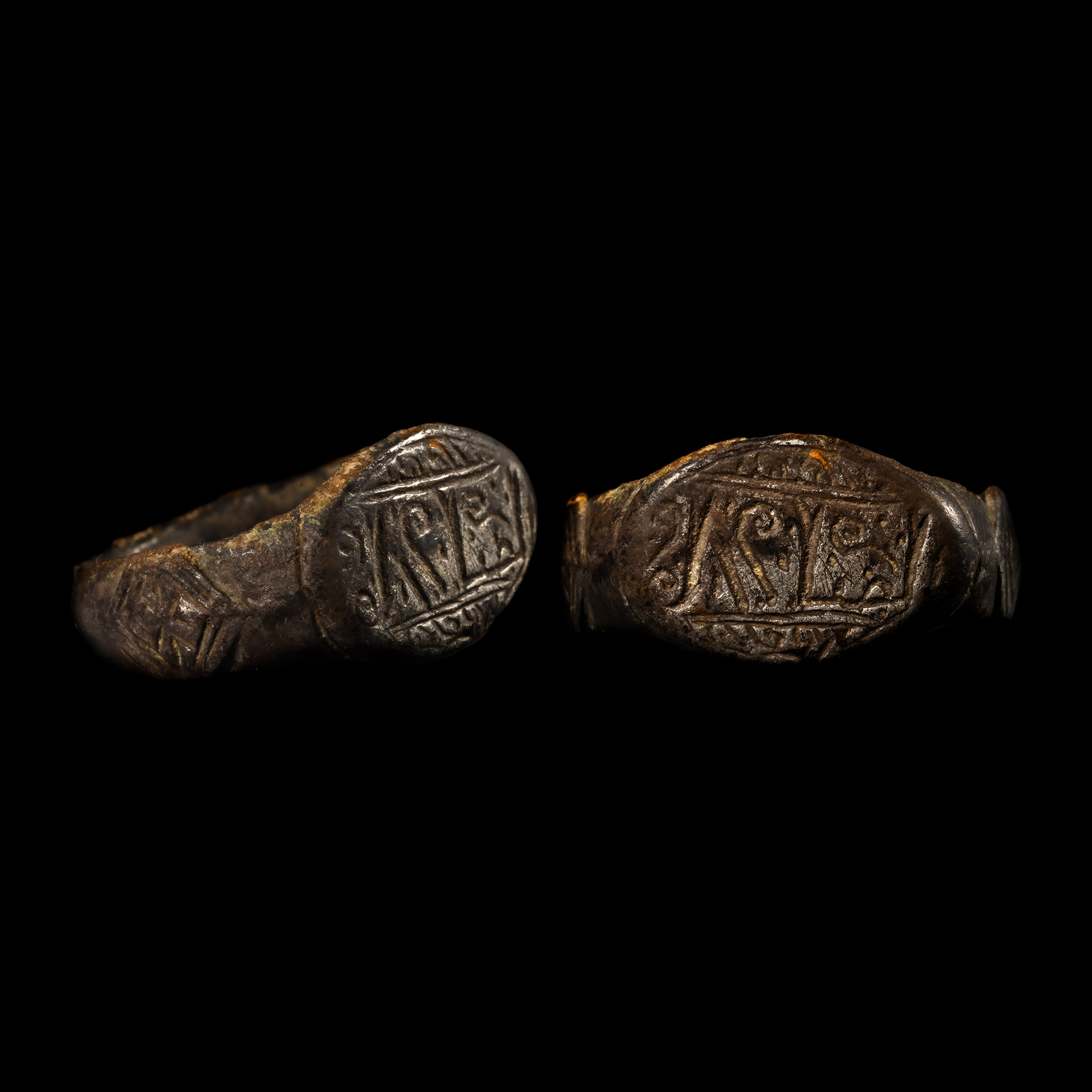
Western Asiatic Silver Ring with Calligraphic Inscription
13TH-14TH CENTURY A.D.
1 in. (7.45 grams, 24.45 mm overall, 21.35 mm internal diameter (approximate size British V, USA 10 1/2, Europe 23.77, Japan 22)).
Keeled hoop with three lozenge-shaped plaques, oval bezel with inscribed panel. [No Reserve]
ProvenanceFrom the collection of a gentleman, acquired on the London art market in the 1990s.
This lot has been cleared against the Art Loss Register database, and is accompanied by an illustrated lot declaration signed by the Head of the Antiquities Department, Dr Raffaele D'Amato.
TimeLine Auctions follows a vetting process to ensure the authenticity and legality of all items, reinforcing our commitment to integrity and responsible trading. Each antiquity, antique, and coin lot undergoes thorough examination by a vetting committee of at least ten external specialists, professional trade association members, scientists, and archaeologists: Our Vetting Process
AUCTIONS:
TimeLine is a leading auction house specialising in antiquities, ancient art, collectables, natural history, coins, medals, and books. Our auctions offer museums, collectors, historians, and enthusiasts the opportunity to acquire unique and historically significant pieces.
LOT 1080
Western Asiatic Silver Ring with Calligraphic Inscription
Sold for (Inc. bp): £46
-
.jpg)
Western Asiatic Bronze Ring with Calligraphic Inscription
Circa 16th-17th century A.D.Sold for (Inc. bp): £72
Comprising a D-section hoop with starburst motifs and three raised decorative plaques, lentoid bezel with an inscribed rectangular panel surrounded by foliate motifs. 4.40 grams, 22.29 mm overall, 19.36 mm internal diameter (approximate size British S 1/2, USA 9 1/4, Europe 20.63, Japan 19)
From the collection of a gentleman, acquired on the London art market in the 1990s. This lot has been cleared against the Art Loss Register database, and is accompanied by an illustrated lot declaration signed by the Head of the Antiquities Department, Dr Raffaele D'Amato. -
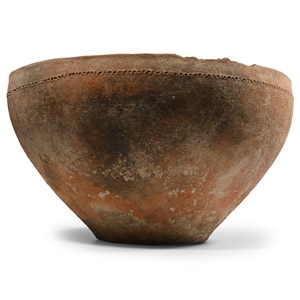
Very Large Transjordan Holy Land Terracotta Bowl
Early Bronze Age I, 3rd millennium B.C.Sold for (Inc. bp): £52
Large bowl with piriform body and narrow foot, circumferential decorative band below the rim; section of the rim absent. 2.75 kg, 35.1 cm wide
From the collection of a gentleman, Geneva, before 1988. This lot has been cleared against the Art Loss Register database, and is accompanied by an illustrated lot declaration signed by the Head of the Antiquities Department, Dr Raffaele D'Amato. -
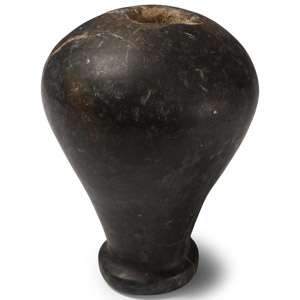
Western Asiatic Stone Macehead
3rd-2nd millennium B.C.Sold for (Inc. bp): £117
Tubular in form with tapering profile and balustered socket. 369 grams, 84 mm
From a West London, UK, collection, 1980-1990s. This lot has been cleared against the Art Loss Register database, and is accompanied by an illustrated lot declaration signed by the Head of the Antiquities Department, Dr Raffaele D'Amato.
