
Loading, please wait...
LOT 0220
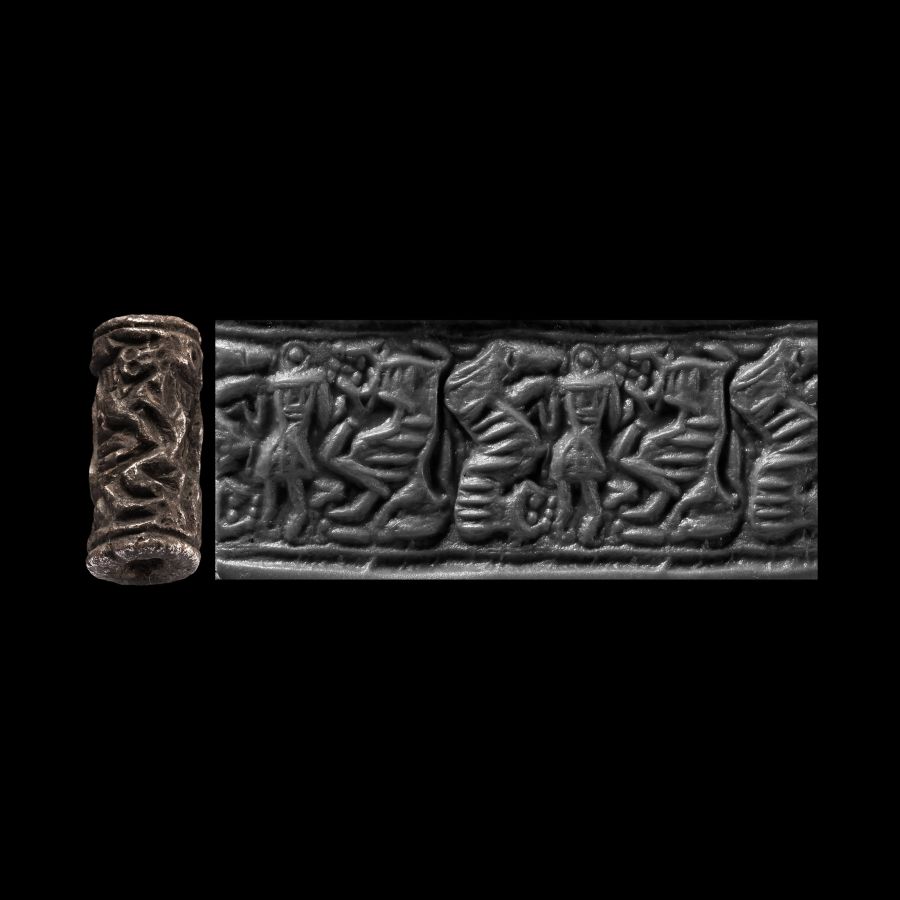
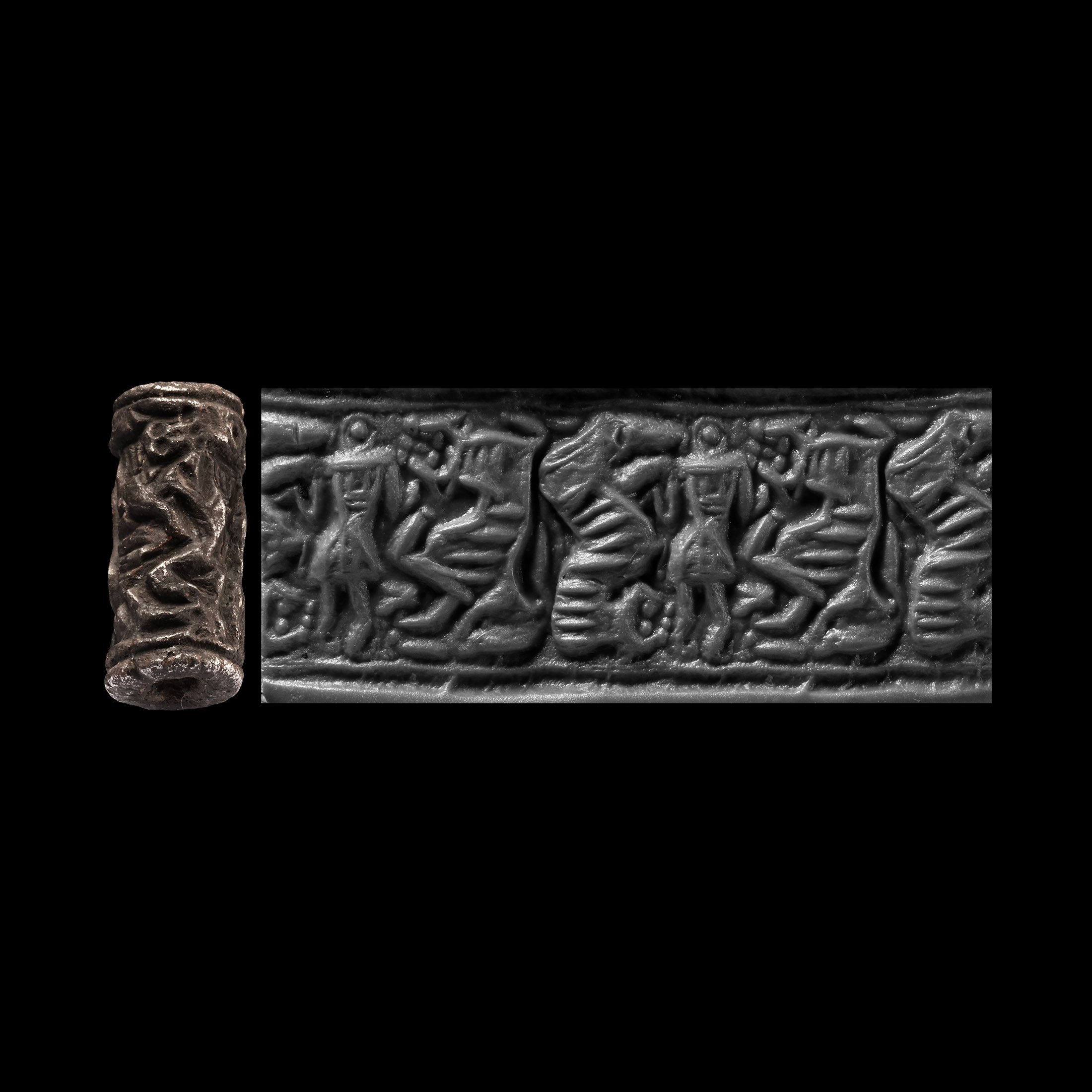
Western Asiatic Silver Cylinder Seal
2ND-1ST MILLENNIUM B.C.
5/8 in. (3.24 grams, 1.5 cm).
Displaying an incuse frieze depicting a Master of Animals gripping bulls; accompanied by a museum-quality impression.
ProvenanceEx private collection, 1965-2020.
CONDITIONTimeLine Auctions follows a vetting process to ensure the authenticity and legality of all items, reinforcing our commitment to integrity and responsible trading. Each antiquity, antique, and coin lot undergoes thorough examination by a vetting committee of at least ten external specialists, professional trade association members, scientists, and archaeologists: Our Vetting Process
AUCTIONS:
TimeLine is a leading auction house specialising in antiquities, ancient art, collectables, natural history, coins, medals, and books. Our auctions offer museums, collectors, historians, and enthusiasts the opportunity to acquire unique and historically significant pieces.
-
Qajar Period Decorated Bowl
19th century A.D.Estimate: £150 - 200 (+bp*)
Opening Bid: £75
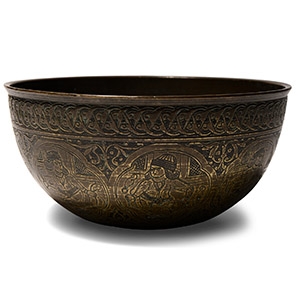
Spun bronze bowl with everted rim, dense low-relief decoration of tendrils and interlace with quatrefoil panels each with a kneeling figure. 195 grams, 11.9 cm wide
Acquired by the vendor's father on the UK art market, before 1990. -
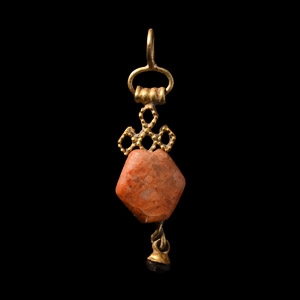
Western Asiatic Gold and Bead Pendant
1st millennium B.C.Sold for (Inc. bp): £169
Comprising a lozengiform mottled stone body on a slender gold stem, granulated cells above, gusseted suspension loop and free-running loop; dangle below set with a polished garnet cabochon. 1.56 grams, 33 mm
Acquired 1970-2010. Collection of a late Japanese gentleman. -
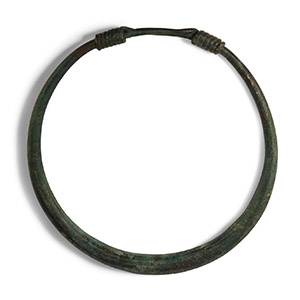
Western Asiatic Bronze Neck Torc
1st millennium B.C.Estimate: £120 - 170 (+bp*)
Opening Bid: £60
Composed of a round-section body tapering towards the bezel where the arms overlap and coil decoratively around the opposite arm. 296 grams, 16 cm wide
UK private collection before 2000. UK art market. Property of a London gentleman.
