
Loading, please wait...
LOT 1278
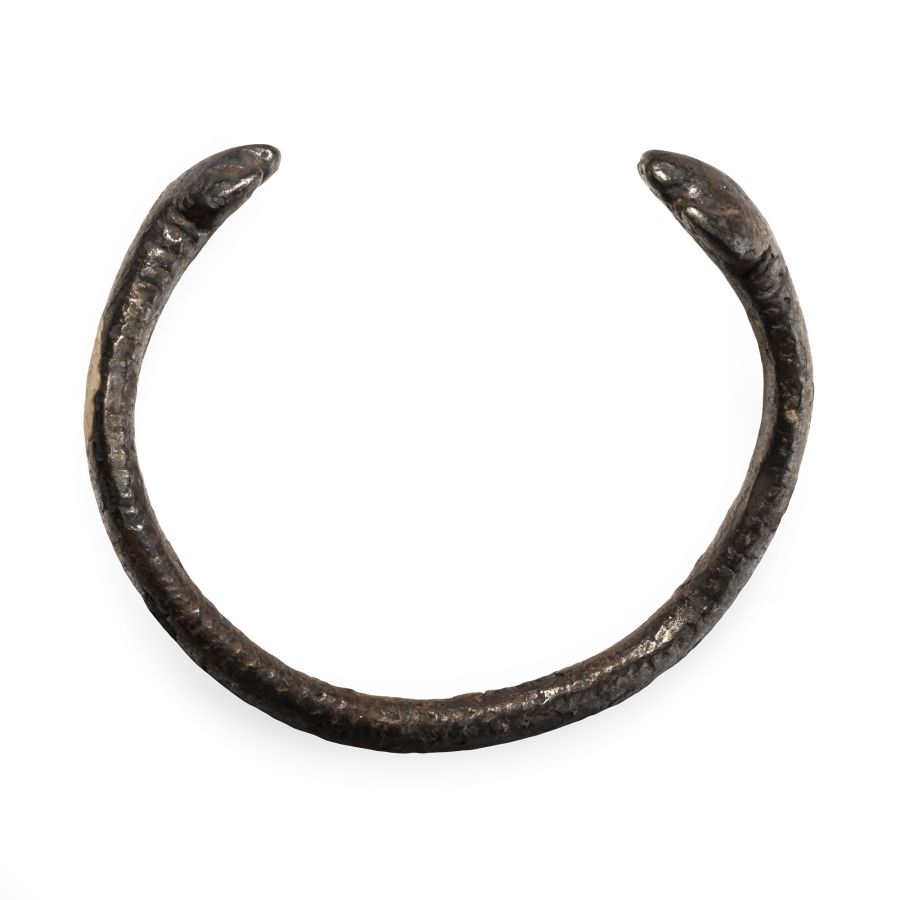
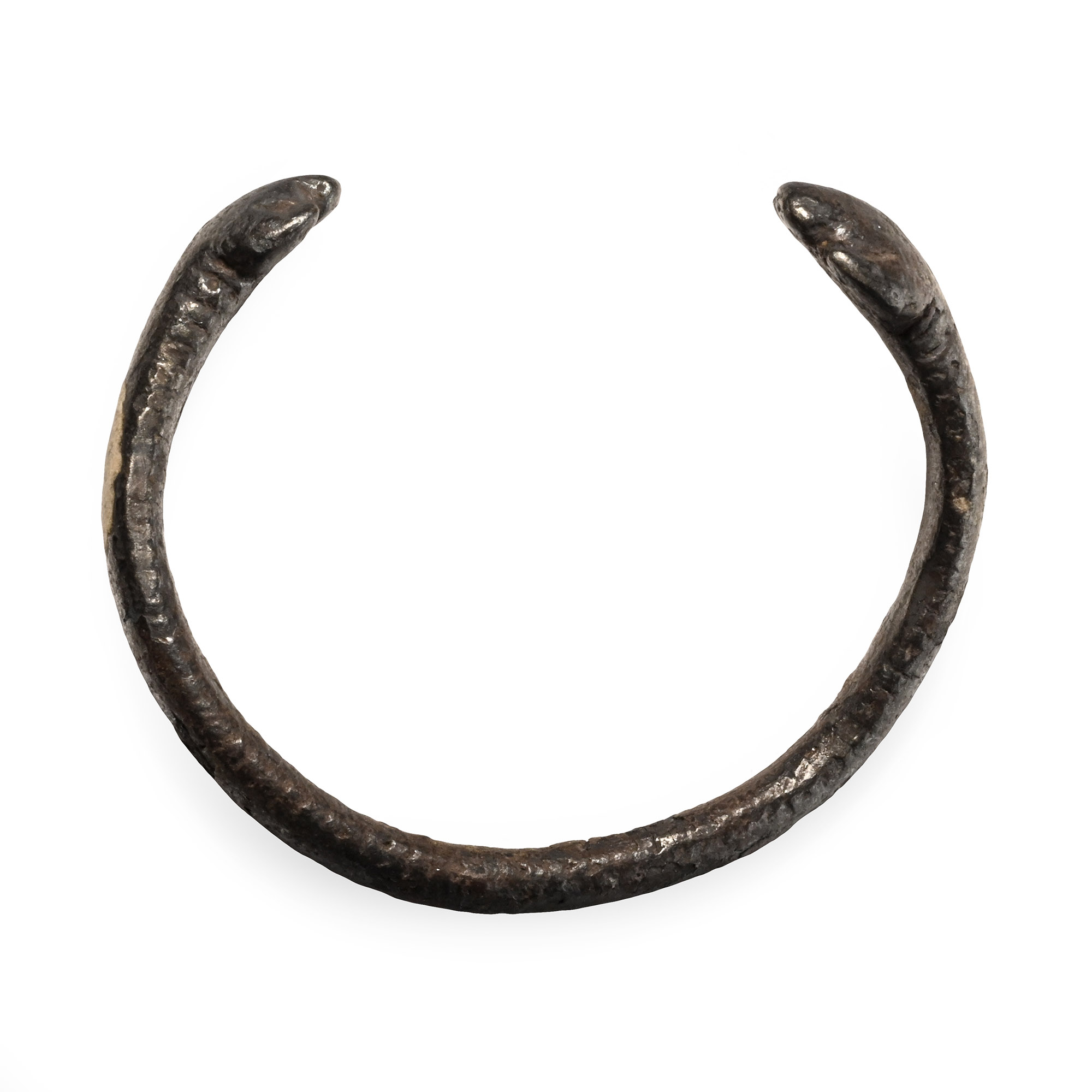
Western Asiatic Silver Bracelet
1ST MILLENNIUM B.C.
2 1/4 in. (27 grams, 58 mm).
Penannular body with ram-head terminals.
ProvenanceEx German art market, 2000s.
Acquired from an EU collector living in London.
From the collection of a Surrey, UK, gentleman.
TimeLine Auctions follows a vetting process to ensure the authenticity and legality of all items, reinforcing our commitment to integrity and responsible trading. Each antiquity, antique, and coin lot undergoes thorough examination by a vetting committee of at least ten external specialists, professional trade association members, scientists, and archaeologists: Our Vetting Process
AUCTIONS:
TimeLine is a leading auction house specialising in antiquities, ancient art, collectables, natural history, coins, medals, and books. Our auctions offer museums, collectors, historians, and enthusiasts the opportunity to acquire unique and historically significant pieces.
-
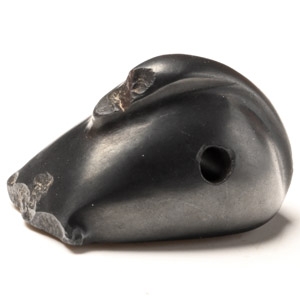
Neo Babylonian Haematite Duck Weight
7th-6th century B.C.Sold for (Inc. bp): £98
Formed as a duck, with head turned towards the tail. 6.45 grams, 20 mm
Ex Simmons Gallery, 1990s. Ex London, UK, collection. -
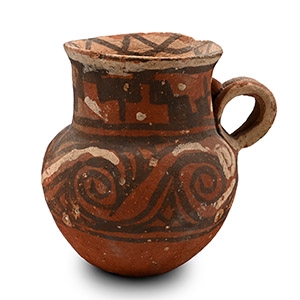
Western Asiatic Red-Painted Terracotta Vessel
8th-9th century A.D.Estimate: £150 - 200 (+bp*)
Opening Bid: £75
With broad shoulder and a wide neck, flared rim; ribbed loop handle with applied pellet above; polychrome painted scroll and mesh designs. 320 grams, 11.5 cm wide
UK collection, 1990s. Acquired on the UK art market, before 2000. Private collection, Mr M.V., a London-based businessman. -
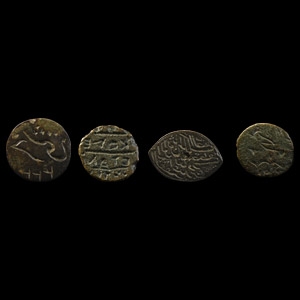
Western Asiatic Bronze Seal Matrix Group
17th-18th century A.D.Sold for (Inc. bp): £59
Comprising four seal matrices, each with an inscribed matrix. 14 grams total, 19.6-25.3 mm
Ex German art market, 2000s. Acquired from an EU collector living in London. From the collection of a Surrey, UK, gentleman.
