
Loading, please wait...


LOT 1287
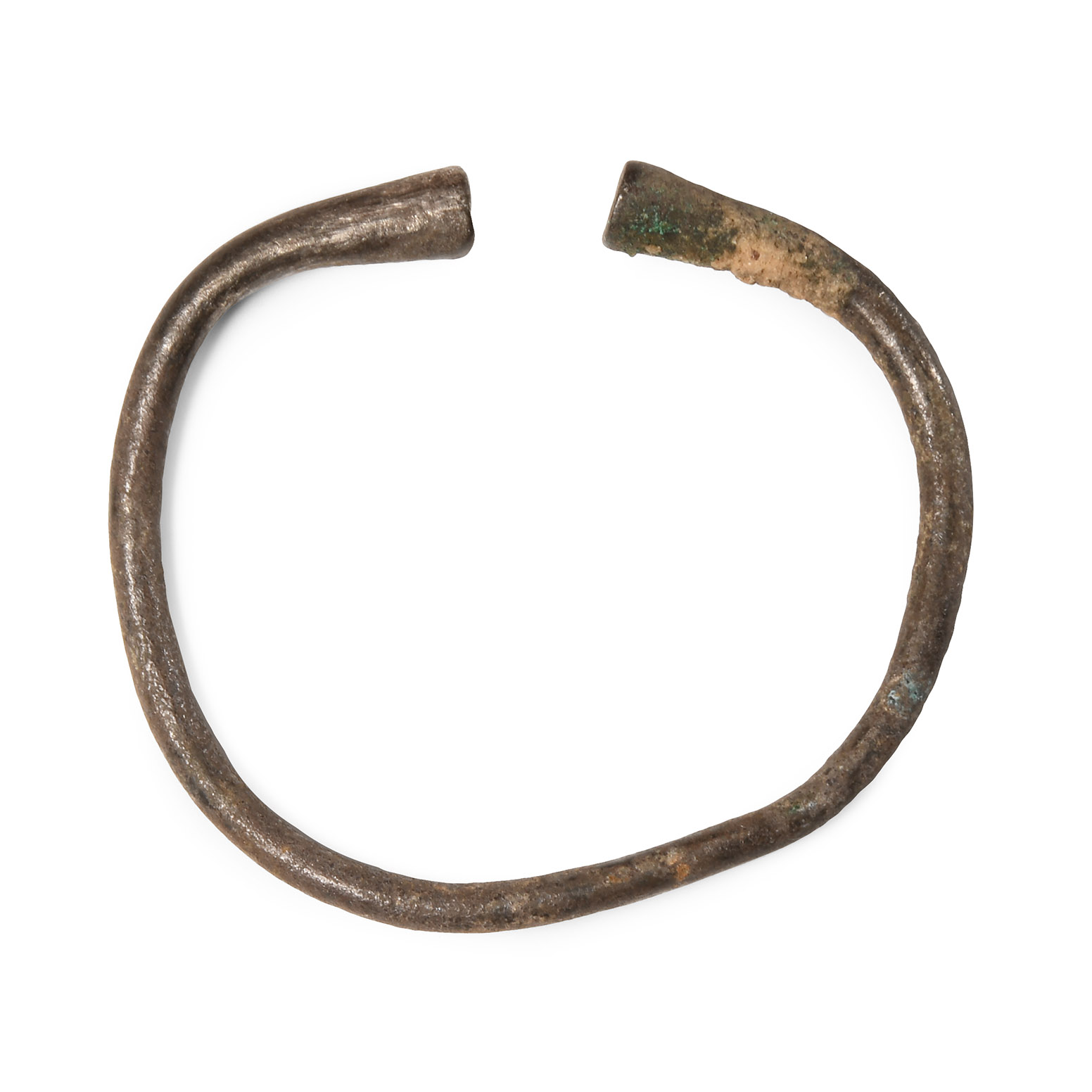
Western Asiatic Silver Bracelet with Trumpet Terminals
1ST MILLENNIUM B.C.
2 3/8 in. (20.16 grams, 59 mm).
Penannular round-section hoop with opposed clubbed terminals. [No Reserve]
ProvenanceUK private collection before 2000.
Acquired on the UK art market.
Property of a London gentleman.
TimeLine Auctions follows a vetting process to ensure the authenticity and legality of all items, reinforcing our commitment to integrity and responsible trading. Each antiquity, antique, and coin lot undergoes thorough examination by a vetting committee of at least ten external specialists, professional trade association members, scientists, and archaeologists: Our Vetting Process
AUCTIONS:
TimeLine is a leading auction house specialising in antiquities, ancient art, collectables, natural history, coins, medals, and books. Our auctions offer museums, collectors, historians, and enthusiasts the opportunity to acquire unique and historically significant pieces.
-
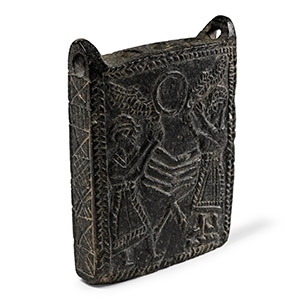
Mesopotamian Black Stone Kohl Container
1st millennium B.C.Estimate: £2,500 - 3,500 (+bp*)
Opening Bid: £1,250
Bifacial rectangular container with suspension loops and three tubular chambers, hatching to the edges and herringbone borders; obverse with low-relief scene of an altar and two worshippers wearing pointed caps and belted tunics; reverse with faravahar winged disc above two worshippers with arms raised flanking a bowl with raised stand. 130 grams, 72 mm
Collected from 1970-1999. From the collection of the late Mr S.M., London, UK. This lot has been checked against the Interpol Database of stolen works of art and is accompanied by search certificate number no.12255-221936. -
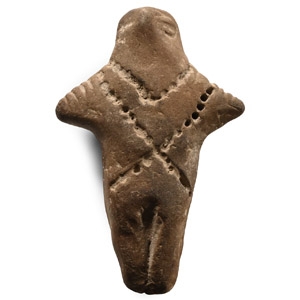
Vinca Terracotta Figurine
4th millennium B.C. or laterSold for (Inc. bp): £780
Modelled in the round with stub arms and pointillé strap detailing, possibly Balkans. 15.7 grams, 54 mm
From a collection acquired on the UK art market from various auction houses and collections mostly before 2000. From an important Cambridgeshire estate; thence by descent. -
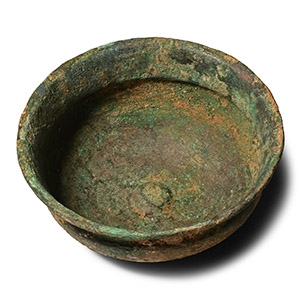
Achaemenid Bronze Flared Phiale Mesomphalos
Circa 6th-4th century B.C.Sold for (Inc. bp): £59
Squat in profile with flared rime to the mouth and carination to the sidewall, central repoussé dome to the underside. 169 grams, 13.5 cm
Acquired 1980-2015. Ex Abelita family collection.
