
Loading, please wait...
LOT 1241
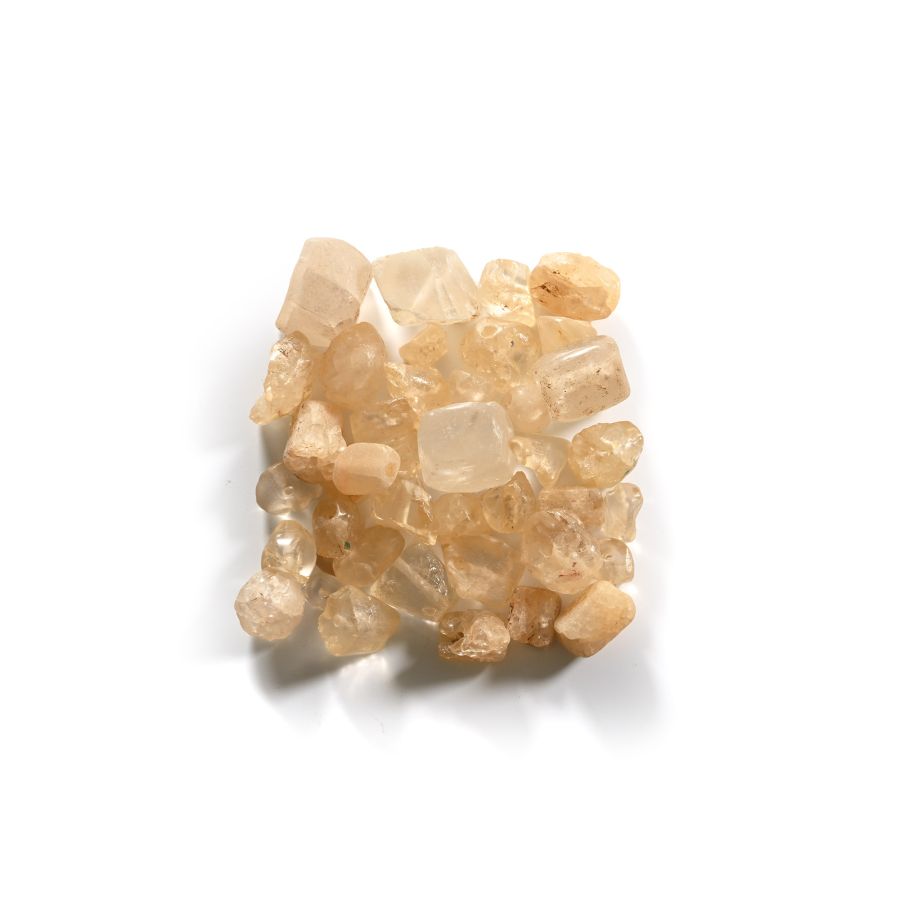
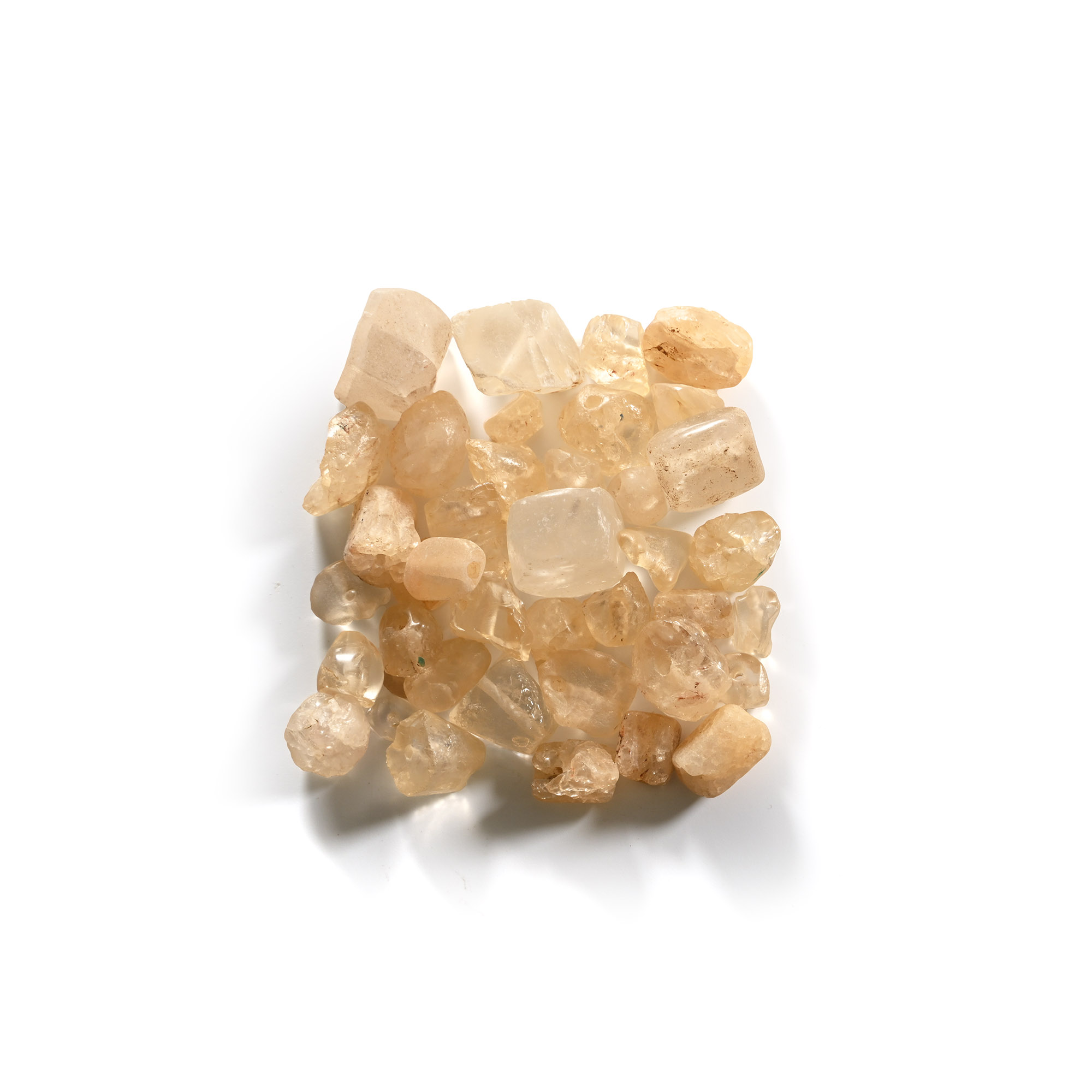
Western Asiatic Rock Crystal Bead Group
1ST MILLENNIUM B.C. AND LATER
1/4 - 5/8 in. (46 grams total, 6-15 mm).
Comprising mostly irregular, unpolished beads; including three large parallelepiped and some cylindrical beads. [39, No Reserve]
ProvenanceEx London, UK, collection, 1990s.
This lot has been cleared against the Art Loss Register database, and is accompanied by an illustrated lot declaration signed by the Head of the Antiquities Department, Dr Raffaele D'Amato.
TimeLine Auctions follows a vetting process to ensure the authenticity and legality of all items, reinforcing our commitment to integrity and responsible trading. Each antiquity, antique, and coin lot undergoes thorough examination by a vetting committee of at least ten external specialists, professional trade association members, scientists, and archaeologists: Our Vetting Process
AUCTIONS:
TimeLine is a leading auction house specialising in antiquities, ancient art, collectables, natural history, coins, medals, and books. Our auctions offer museums, collectors, historians, and enthusiasts the opportunity to acquire unique and historically significant pieces.
-
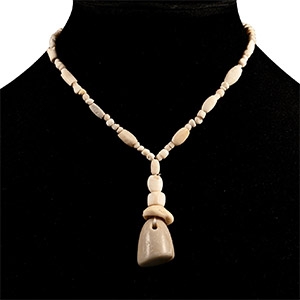
Western Asiatic Bead Necklace String
1st millennium B.C. and laterSold for (Inc. bp): £33
Restrung group of oblate, fusiform, drum-shaped and other beads in stone and shell. 28.2 grams, 28.5 cm
Ex London, UK, collection, 1990s. This lot has been cleared against the Art Loss Register database, and is accompanied by an illustrated lot declaration signed by the Head of the Antiquities Department, Dr Raffaele D'Amato. -
.jpg)
Mesopotamian Alabaster Bowl
1st millennium B.C.Estimate: £2,000 - 3,000 (+bp*)
Opening Bid: £1,000
Conical with a narrow, slightly rounded base; repaired. 1.66 kg, 22 cm diameter
Acquired in the early 2000s. Private collection, UK. This lot has been checked against the Interpol Database of stolen works of art and is accompanied by a search certificate number no.12705-235147. This lot has been cleared against the Art Loss Register database, and is accompanied by an illustrated lot declaration signed by the Head of the Antiquities Department, Dr Raffaele D'Amato. -
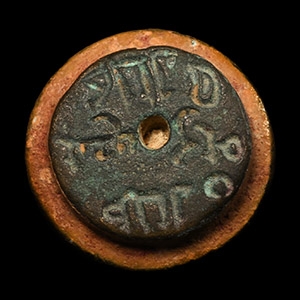
Western Asiatic Bronze Personal Seal Matrix for 'modda ibn Abdullah'
14th century A.D.Estimate: £300 - 400 (+bp*)
Opening Bid: £150
Comprising a domed body rising to a pierced suspension lug, underside with discoid plaque and reversed incuse Arabic legend: 'Modda ibn Abdullah', a personal name also serving as a religious expression roughly translating to, 'Don't be a slave to anyone but Allah'. 16.6 grams, 17 mm
From the collection of a gentleman, acquired on the London art market in the 1990s. This lot has been cleared against the Art Loss Register database, and is accompanied by an illustrated lot declaration signed by the Head of the Antiquities Department, Dr Raffaele D'Amato.
