
Loading, please wait...
LOT 1243
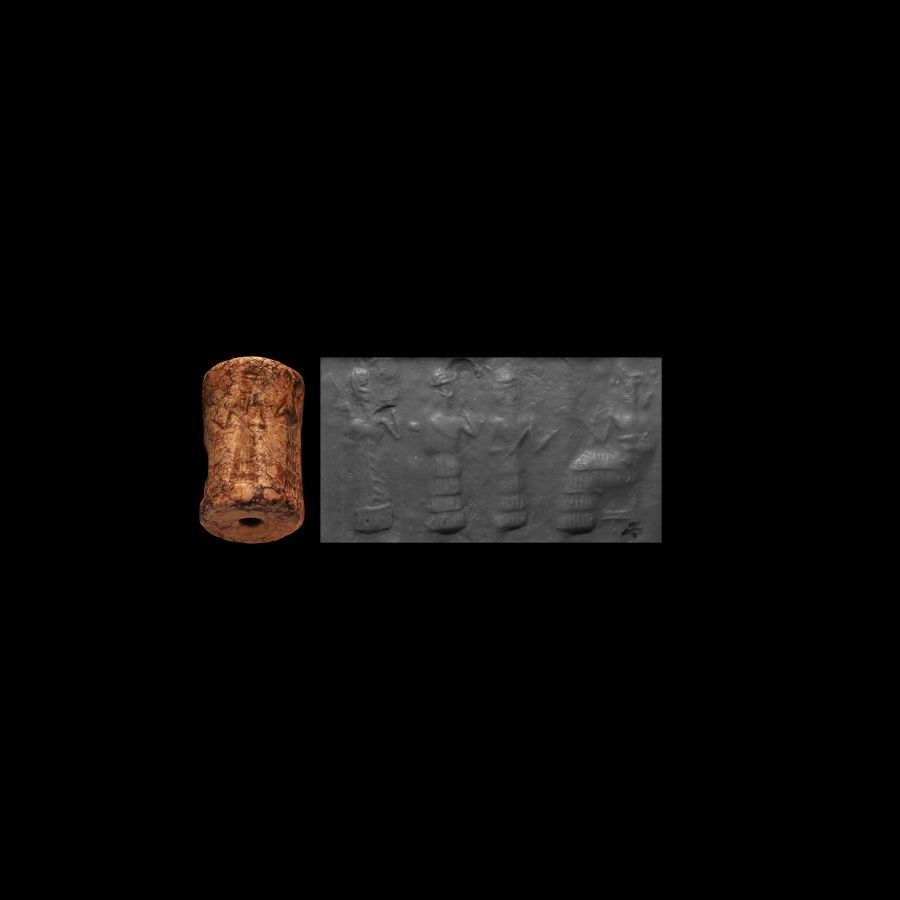
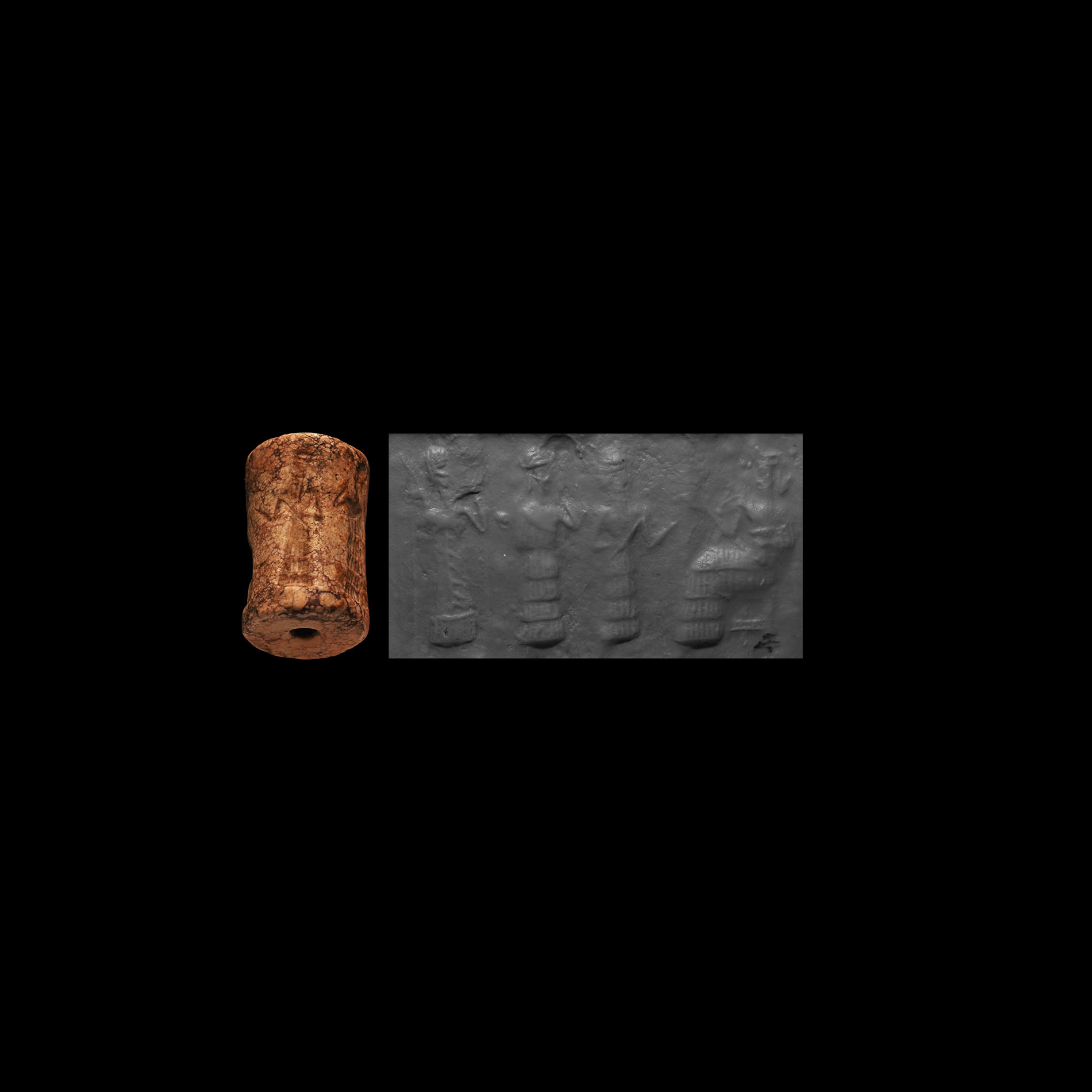
Western Asiatic Marble Cylinder Seal with Worship Scene
LATE 3RD-2ND MILLENNIUM B.C.
1 1/2 in. (34.6 grams, 36 mm).
Bearing a worship scene composed of a procession of robed human figures advancing left, towards a seated figure; pierced vertically for suspension.
ProvenancePrivate family collection formed in London, mid 1980s to early 1990s.
LiteratureCf. The Metropolitan Museum, accession number 1999.325.12, for a comparable scene dated early 2nd millennium B.C.
CONDITIONTimeLine Auctions follows a vetting process to ensure the authenticity and legality of all items, reinforcing our commitment to integrity and responsible trading. Each antiquity, antique, and coin lot undergoes thorough examination by a vetting committee of at least ten external specialists, professional trade association members, scientists, and archaeologists: Our Vetting Process
AUCTIONS:
TimeLine is a leading auction house specialising in antiquities, ancient art, collectables, natural history, coins, medals, and books. Our auctions offer museums, collectors, historians, and enthusiasts the opportunity to acquire unique and historically significant pieces.
LOT 1243
Western Asiatic Marble Cylinder Seal with Worship Scene
Sold for (Inc. bp): £520
-
.jpg)
Bactrian Silver Walking Stick Attachment
2nd millennium B.C.Estimate: £400 - 600 (+bp*)
Opening Bid: £200
Hollow-formed cylinder seal-type attachment, possibly from a walking stick or a furniture fitting, with a frieze of opposed seated figures, beasts and other details; accompanied by a museum-quality impression. 32.33 grams, 31 mm
Fair condition. Very rare.
Acquired before 1990. With a central London gallery. Private collection of a North West London lady. -
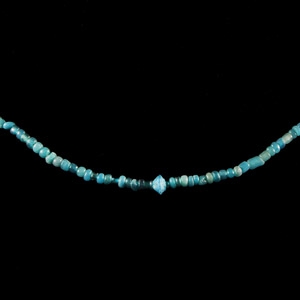
Western Asiatic Turquoise Blue Glass Bead Necklace String
1st millennium B.C. and laterSold for (Inc. bp): £52
Restrung using mainly oblate beads. 5.16 grams, 44 cm long
UK gallery, early 2000s.
Turquoise has been known since prehistoric times, and it is widely used in jewellery in the Middle East (Egypt and Persia), the Far East (Tibet, Mongolia and China) and even by native North Americans. Turquoise was very fashionable also in Europe, especially during the 18th and 19th centuries. -
.jpg)
Mesopotamian Calcite Jar
Circa 3rd millennium B.C.Estimate: £3,000 - 4,000 (‡+bp*)
Opening Bid: £1,500
Carved squat-bodied with a broad, rounded shoulder and narrow flat base, short neck and everted rim, four pierced lugs to the shoulders incorporated into a circumferential band of engraved cross-hatching. 746 grams, 11.8 cm
From a British collection, acquired in 1993. This lot has been checked against the Interpol Database of stolen works of art and is accompanied by search certificate number no.11835-206783.
