
Loading, please wait...
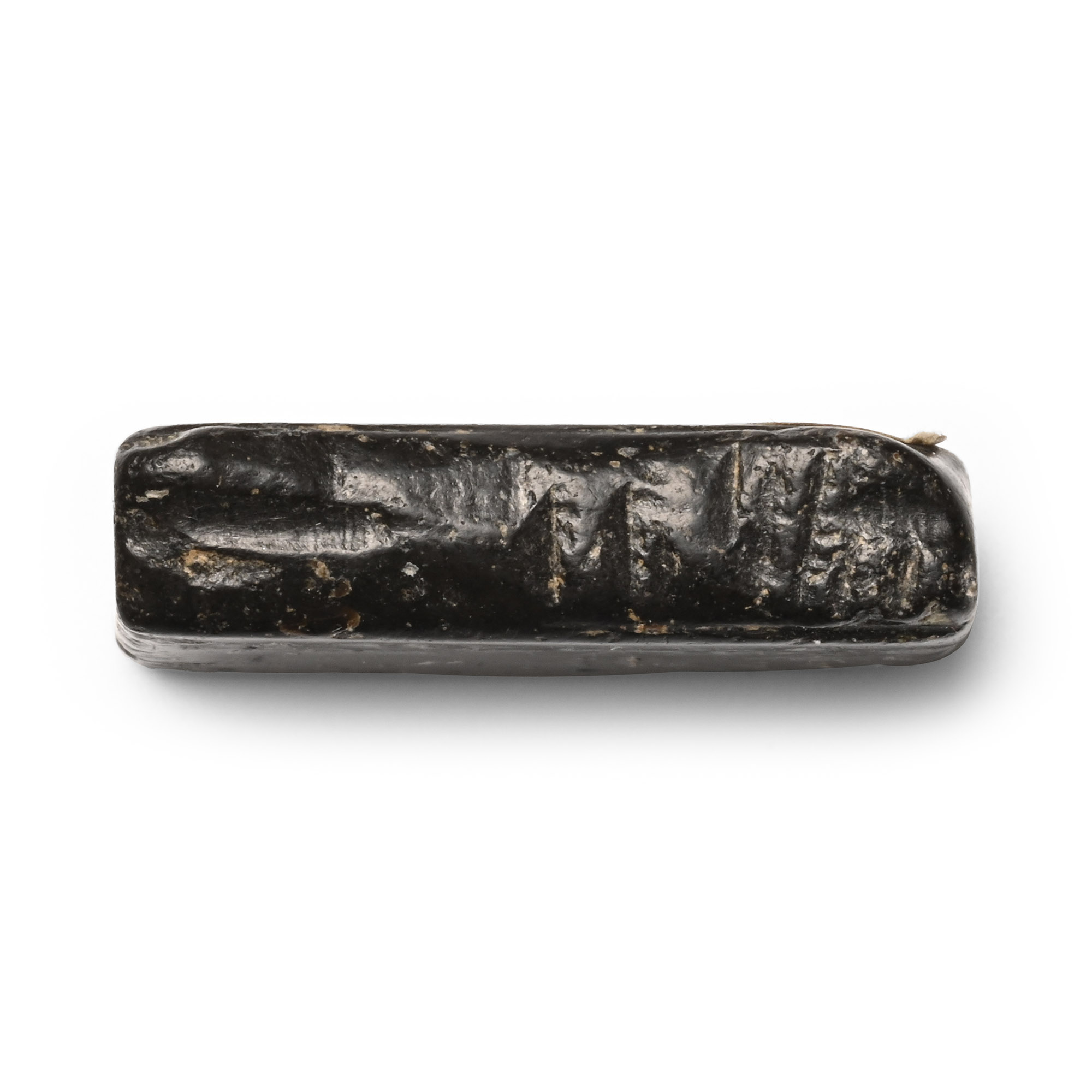
LOT 1173
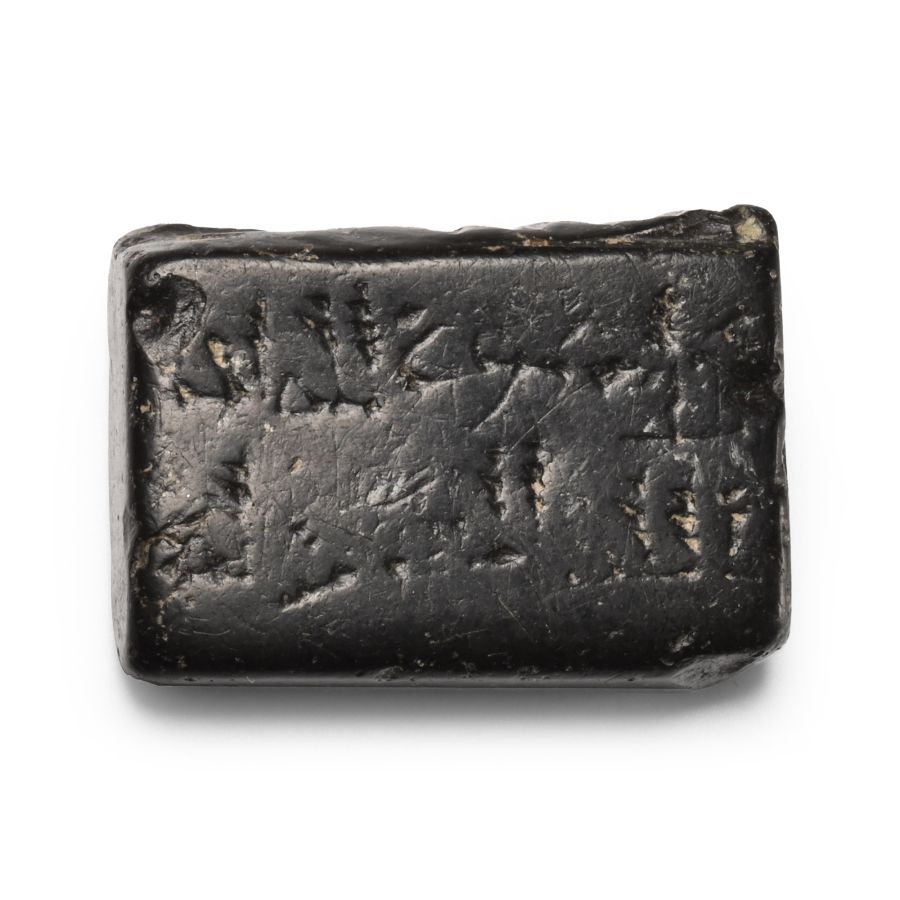
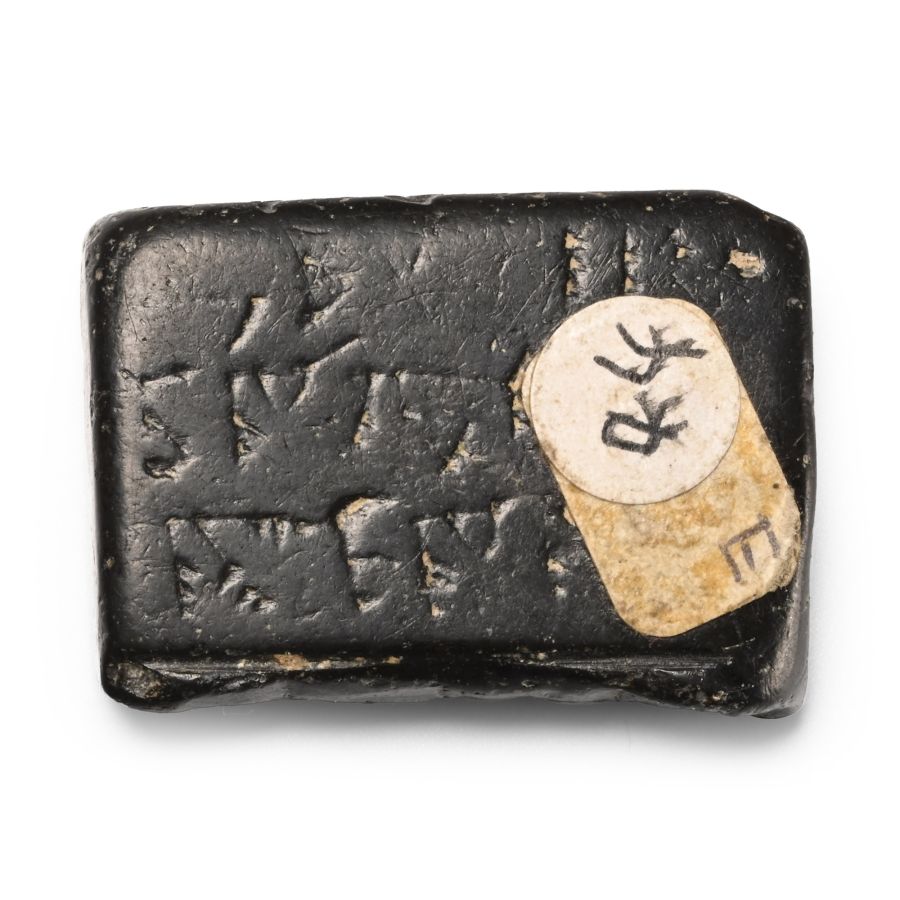
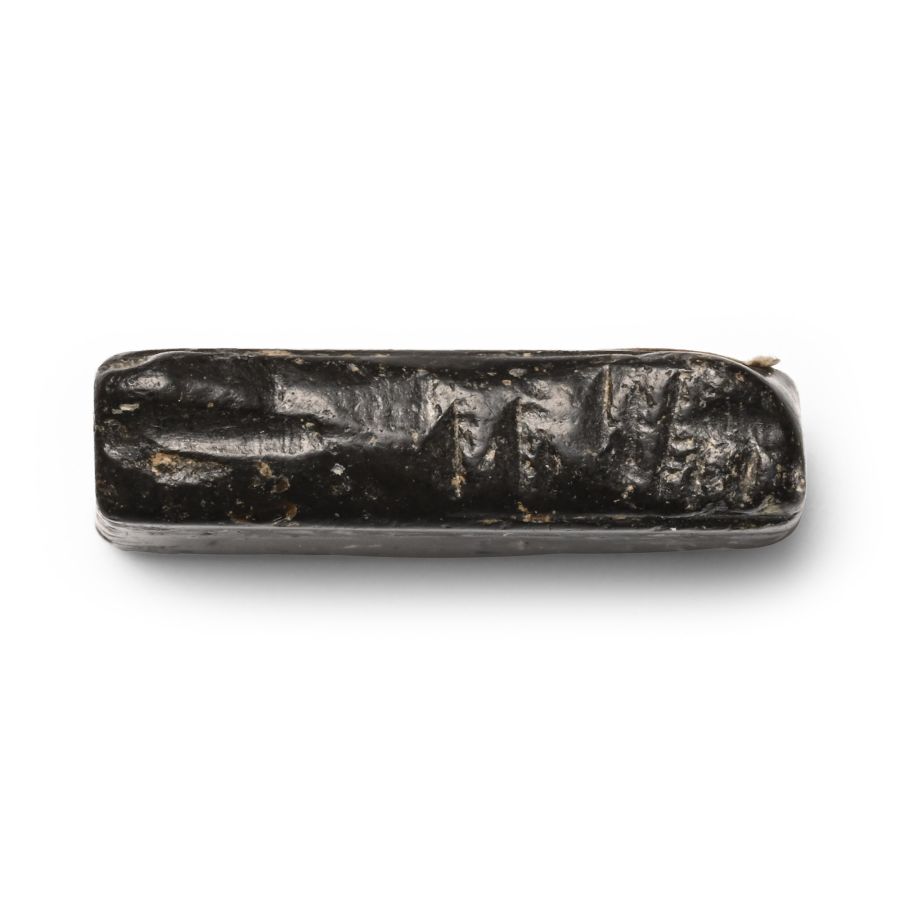
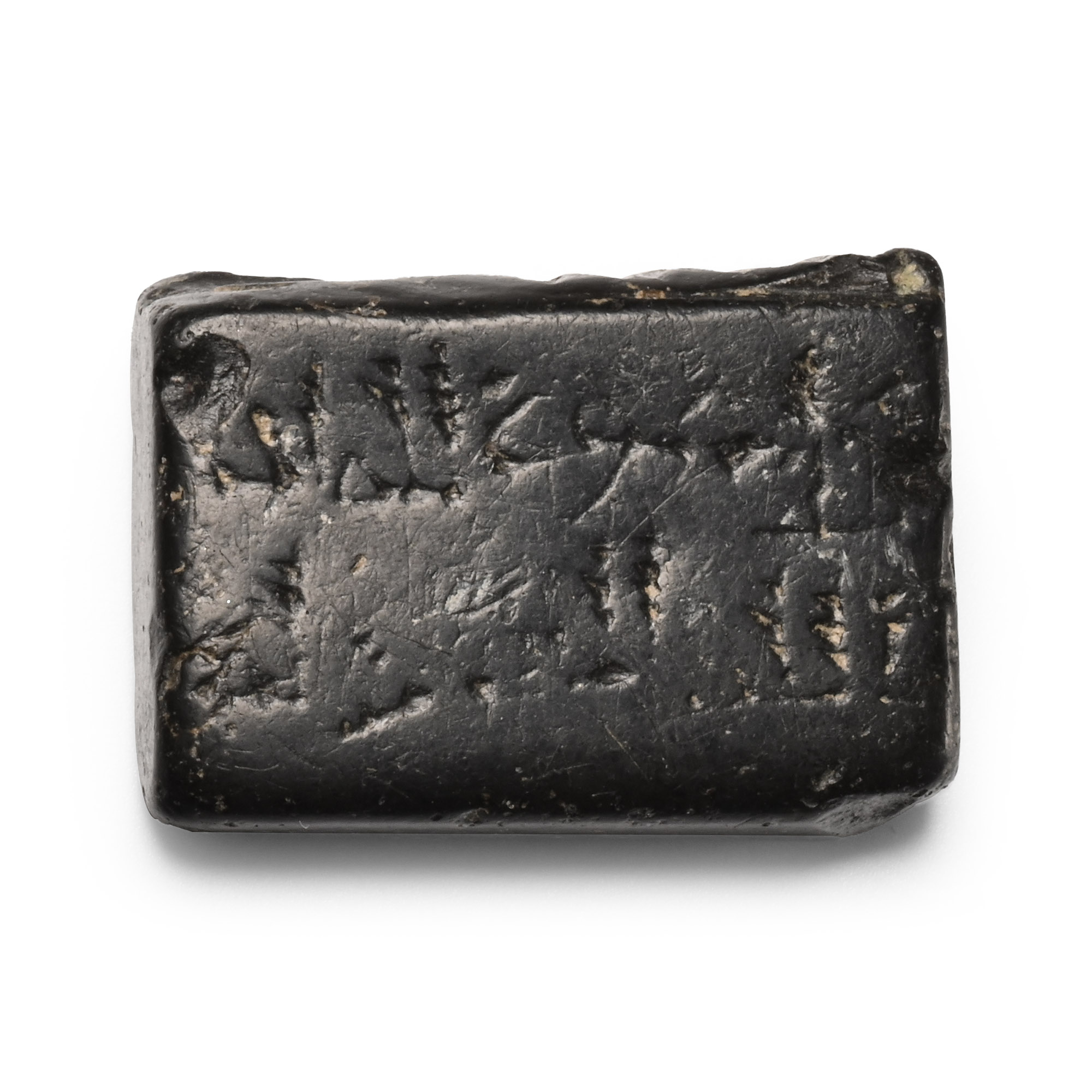
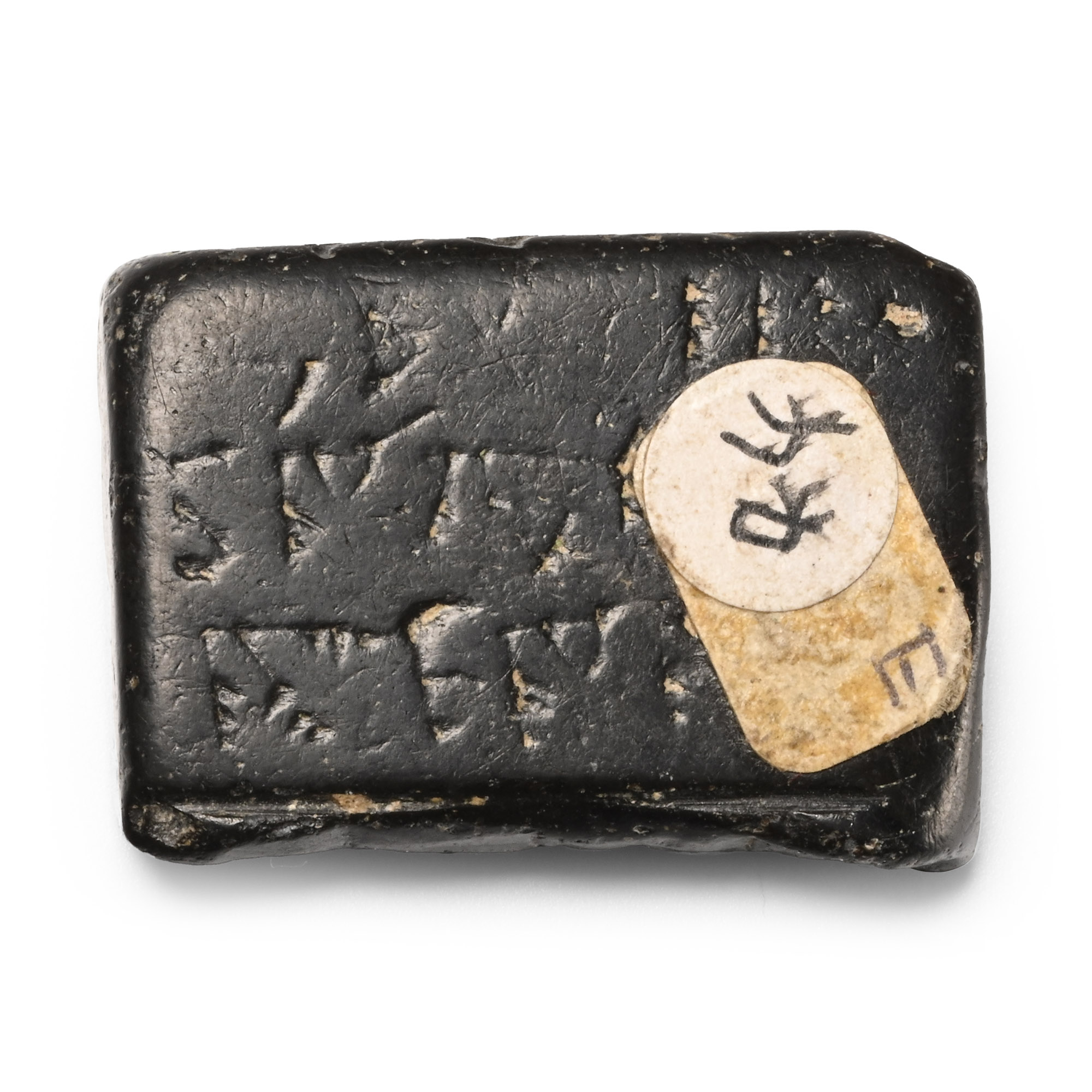
Western Asiatic Inscribed Stone Tablet
1ST MILLENNIUM B.C.
1 in. (9.8 grams, 27 mm).
Rectangular in plan with pointillé cuneiform text to both broad faces.
ProvenanceFrom the 'S' collection, acquired 1970-1990s.
The collection was seen and studied by W.G. Lambert, late Professor of Assyriology at the University of Birmingham, 1970-1993.
This lot has been cleared against the Art Loss Register database, and is accompanied by an illustrated lot declaration signed by the Head of the Antiquities Department, Dr Raffaele D'Amato.
TimeLine Auctions follows a vetting process to ensure the authenticity and legality of all items, reinforcing our commitment to integrity and responsible trading. Each antiquity, antique, and coin lot undergoes thorough examination by a vetting committee of at least ten external specialists, professional trade association members, scientists, and archaeologists: Our Vetting Process
AUCTIONS:
TimeLine is a leading auction house specialising in antiquities, ancient art, collectables, natural history, coins, medals, and books. Our auctions offer museums, collectors, historians, and enthusiasts the opportunity to acquire unique and historically significant pieces.
LOT 1173
Western Asiatic Inscribed Stone Tablet
Estimate £180 - 240€210 - 280 (for guidance only)$240 - 320 (for guidance only)
-
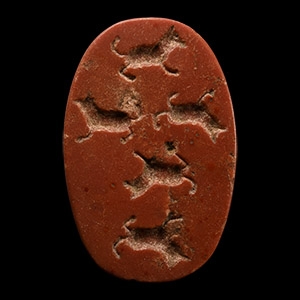
Large Proto-Sumerian Pink Stone Seal
Circa 3000 B.C.Estimate: £1,000 - 1,400 (‡+bp*)
Opening Bid: £450
Plano-convex in section with incuse animal forms to the underside. 82.8 grams, 66 mm
Private collection. Acquired from a Swiss collection, 2002. This lot has been cleared against the Art Loss Register database, and is accompanied by an illustrated lot declaration signed by the Head of the Antiquities Department, Dr Raffaele D'Amato. -
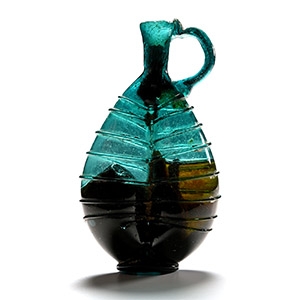
Western Asiatic Glass Ribbed Double Unguent with Contents
7th-8th century A.D.Sold for (Inc. bp): £2,340
Comprising two conjoined kidney-shaped cells decorated with applied trails, extending to a single short neck with everted rim, discoid foot to the base and an applied handle to the shoulder; containing free flowing liquid and congealed organic substance to both cells. 90 grams, 11.1 cm
with Christie's, London, Islamic Art, 16 October 2001, no.285. Private collection, Europe. This lot has been checked against the Interpol Database of stolen works of art and is accompanied by a search certificate number no.12432-226701. This lot has been cleared against the Art Loss Register database, and is accompanied by an illustrated lot declaration signed by the Head of the Antiquities Department, Dr Raffaele D'Amato.
Many objects of this type were made in Syrian and Mesopotamian workshops and under both Eastern Roman and Sassanid domination. The type was probably already produced in the workshops of the Roman Empire, but it lasted until the early Islamic Period. -
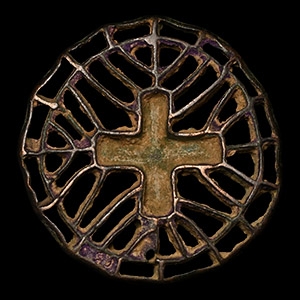
West Central Asian Bronze Stamp Seal Matrix with Greek Cross
Circa 2300-2000 B.C.Sold for (Inc. bp): £117
Circular openwork seal with cross motif; accompanied by typed and signed note by the late W.G. Lambert, Professor of Assyriology at the University of Birmingham, 1970-1993, which states: 'Stamp Seal of Bronze, 44 x 45 x 15 mm. This is round, with flat compartmented and open-work face, and flat back on which a handle of inverted U-shape is mounted. The design consists of a central Greek cross joined to a segmented outer band by a single strut from the middle of the outer arms, and three pairs of struts, two from each arm of the cross, one from the single strut. This comes from west central Asia and dates to c. 2300-2000 B.C. The outer rim is a little dented, but otherwise it is in very good condition and a fine example of its kind.' 22 grams, 45 mm
Ex collection of a late London gentleman, 1990s. Accompanied by an original typed and signed scholarly note by the late W.G. Lambert, Professor of Assyriology at the University of Birmingham, 1970-1993. This lot has been cleared against the Art Loss Register database, and is accompanied by an illustrated lot declaration signed by the Head of the Antiquities Department, Dr Raffaele D'Amato.
