
Loading, please wait...
LOT 1214
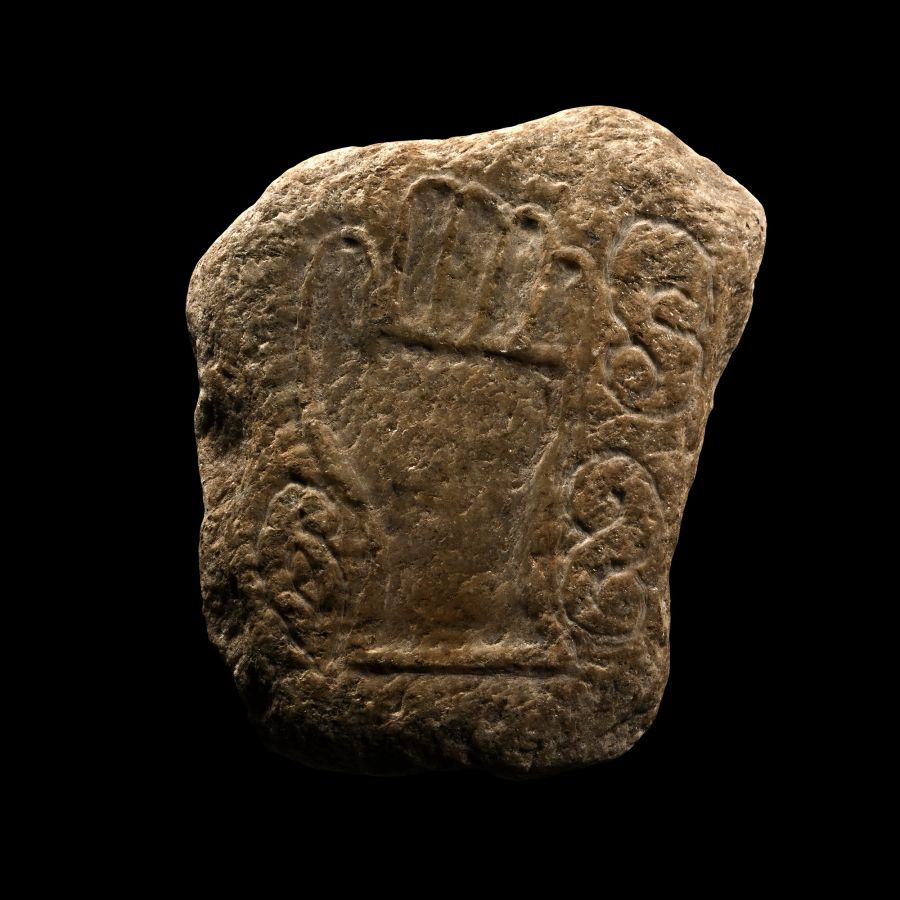
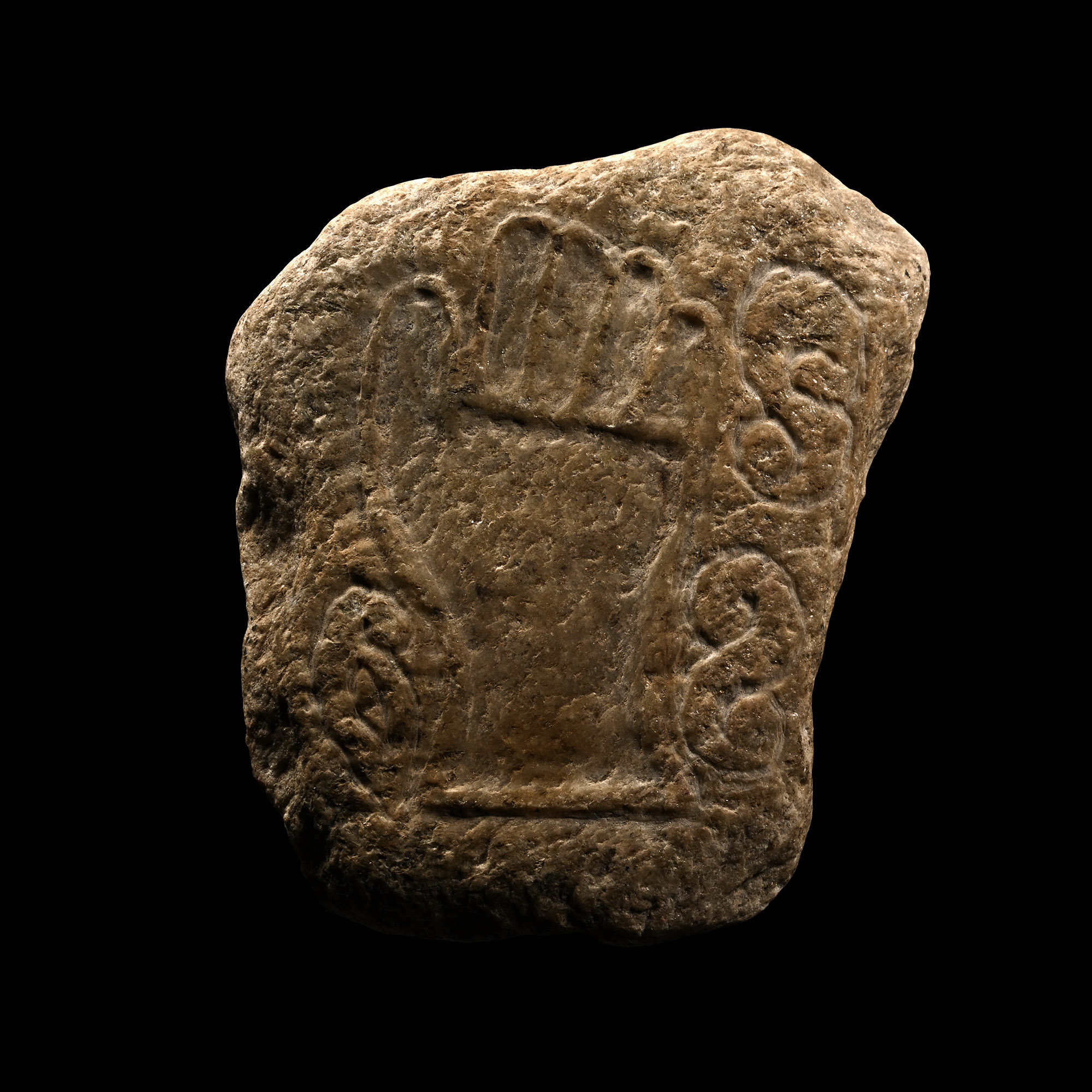
Western Asiatic Hand of Fatima Stone Fragment
CIRCA 12TH-14TH CENTURY A.D.
6 1/8 in. (987 grams, 15.6 cm).
Flat surface with low-relief hamsa motif. [No Reserve]
ProvenanceEx West London, UK, collection, 1990s.
This lot has been cleared against the Art Loss Register database, and is accompanied by an illustrated lot declaration signed by the Head of the Antiquities Department, Dr Raffaele D'Amato.
TimeLine Auctions follows a vetting process to ensure the authenticity and legality of all items, reinforcing our commitment to integrity and responsible trading. Each antiquity, antique, and coin lot undergoes thorough examination by a vetting committee of at least ten external specialists, professional trade association members, scientists, and archaeologists: Our Vetting Process
AUCTIONS:
TimeLine is a leading auction house specialising in antiquities, ancient art, collectables, natural history, coins, medals, and books. Our auctions offer museums, collectors, historians, and enthusiasts the opportunity to acquire unique and historically significant pieces.
-
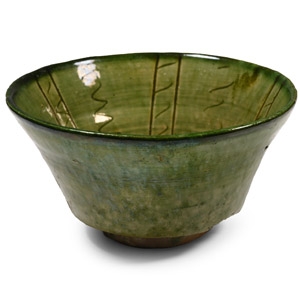
Western Asiatic Dark Green Glazed Bowl
10th century A.D.Sold for (Inc. bp): £234
Conical in profile with low foot, vertical bands with loose zigzag motif. 184 grams, 12 cm
Ex London, UK, gallery, 1971-early 2000s. London, UK, collection. This lot has been cleared against the Art Loss Register database, and is accompanied by an illustrated lot declaration signed by the Head of the Antiquities Department, Dr Raffaele D'Amato. -
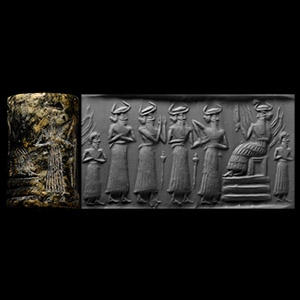
Akkadian Black Stone Cylinder Seal of the Sun God Shamash
Circa 2334-2279 B.C.Sold for (Inc. bp): £3,900
Finely engraved with a religious scene, sun god Shamash seated on a throne with his feet resting on a padded stand, holding a scimitar in his raised left hand and wearing a horned headdress; four bearded deities and a smaller, clean-shaven young male worshipper before him, each of the deities wearing a horned headdress and a pleated garment; supplied with a museum-quality impression. 49.1 grams, 40 mm
From the 'S' collection, acquired 1970-1990s. The collection was seen and studied by W.G. Lambert, late Professor of Assyriology at the University of Birmingham, 1970-1993. Accompanied by a copy of a report from Assyriologist Hui Li. This lot has been checked against the Interpol Database of stolen works of art and is accompanied by a search certificate number no.12539-231427. This lot has been cleared against the Art Loss Register database, and is accompanied by an illustrated lot declaration signed by the Head of the Antiquities Department, Dr Raffaele D'Amato.
The seal's excellent glyptic techniques, naturalistic depictions of the facial features, and the presented religious scene suggest that this seal might have belonged to a high official. -
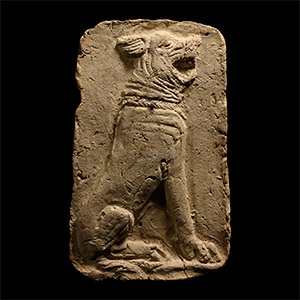
Old Babylonian Terracotta Plaque of a Mastiff Dog
2nd millennium B.C.Sold for (Inc. bp): £780
Rectangular plaque with low-relief image of a sitting dog with thick braided collar, gaping mouth. 146 grams, 12.2 cm
From an important collection of a London, UK, gentleman, pre 1988. This lot has been cleared against the Art Loss Register database, and is accompanied by an illustrated lot declaration signed by the Head of the Antiquities Department, Dr Raffaele D'Amato.
