
Loading, please wait...
LOT 1046
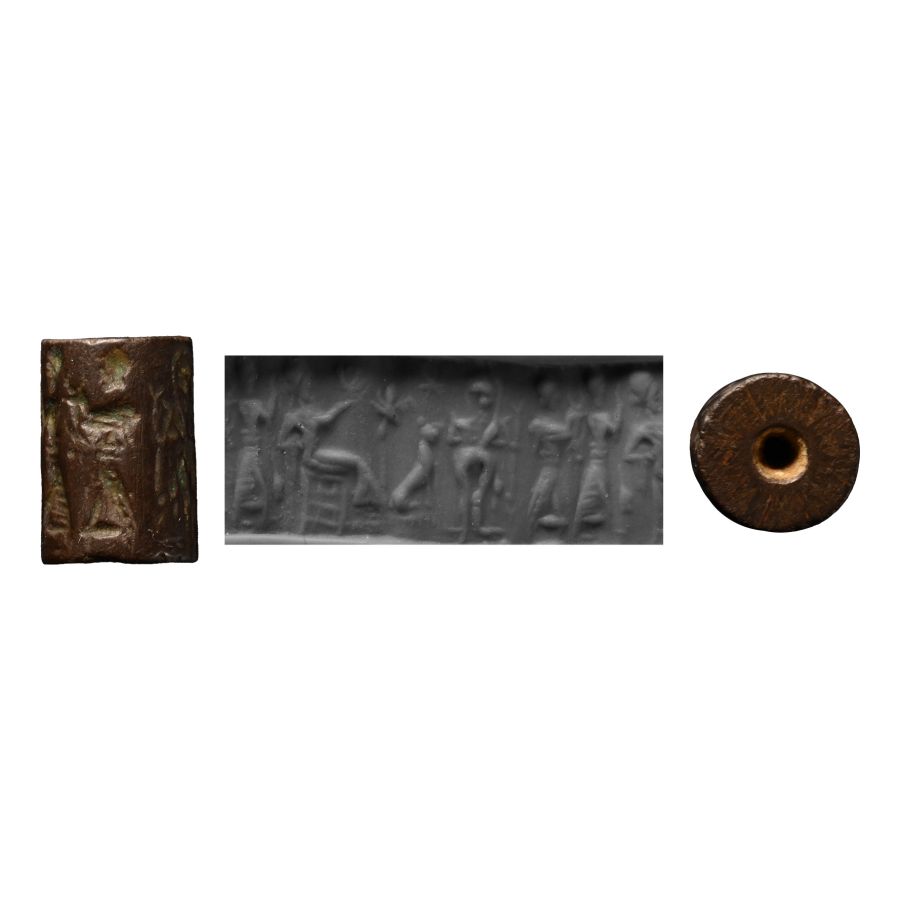
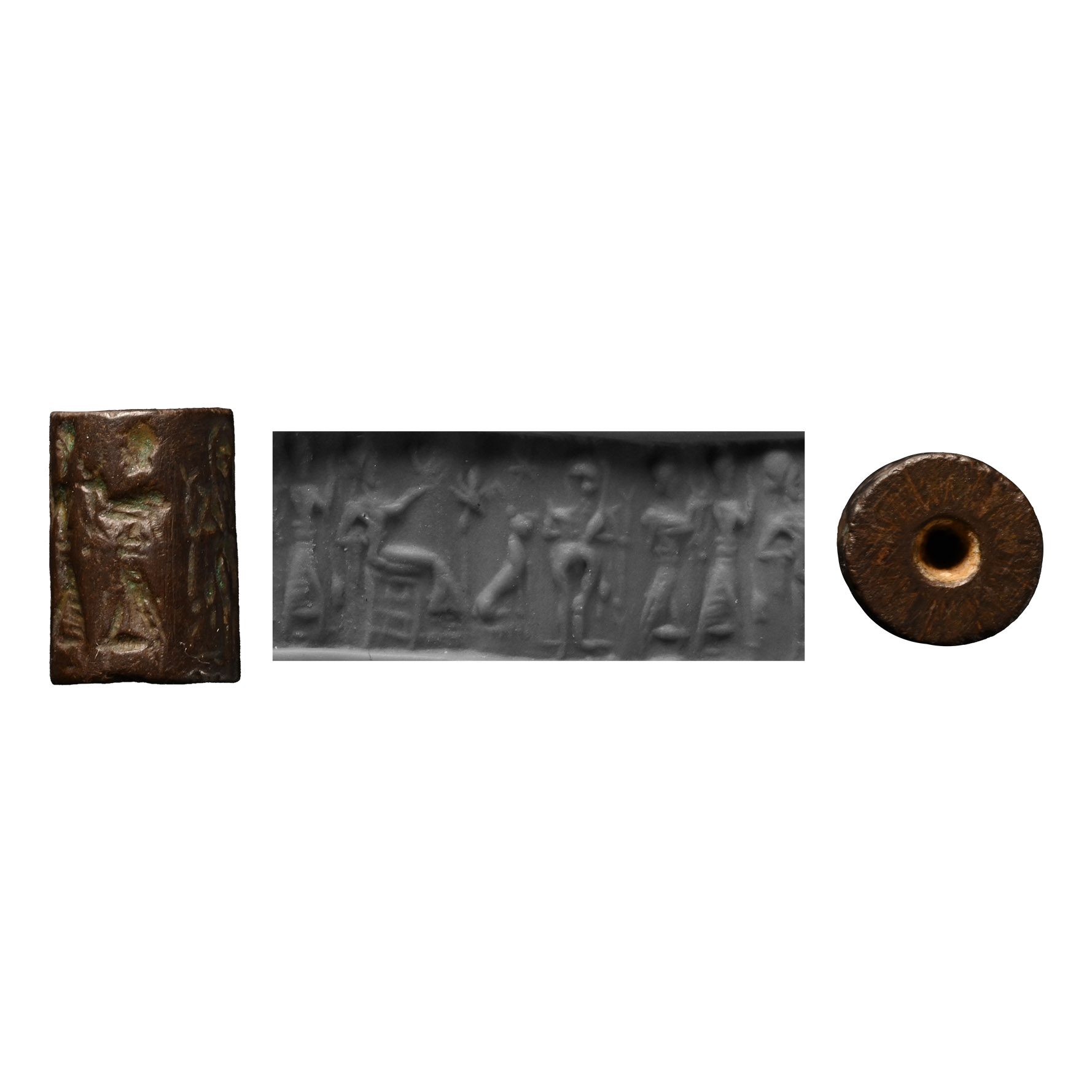
Western Asiatic Haematite Cylinder Seal with Presentation Scene
CIRCA 2ND MILLENNIUM B.C.
3/8 in. (1.57 grams, 10 mm).
With frieze depicting a a seated figure holding a vessel in one extended hand, a star, a leaping dog, a nude female facing, two advancing attendants; supplied with a museum-quality impression.
ProvenanceFrom an important London, UK, collection, 1970-1990.
Accompanied by an old collection ticket.
TimeLine Auctions follows a vetting process to ensure the authenticity and legality of all items, reinforcing our commitment to integrity and responsible trading. Each antiquity, antique, and coin lot undergoes thorough examination by a vetting committee of at least ten external specialists, professional trade association members, scientists, and archaeologists: Our Vetting Process
AUCTIONS:
TimeLine is a leading auction house specialising in antiquities, ancient art, collectables, natural history, coins, medals, and books. Our auctions offer museums, collectors, historians, and enthusiasts the opportunity to acquire unique and historically significant pieces.
LOT 1046
Western Asiatic Haematite Cylinder Seal with Presentation Scene
Sold for (Inc. bp): £390
-
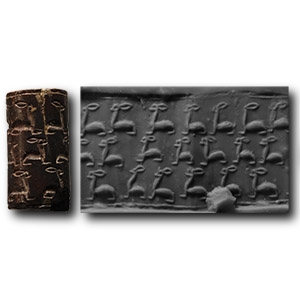
Western Asiatic Stone Cylinder Seal with Quadrupeds
Late 2nd-early 1st millennium B.C.Sold for (Inc. bp): £975
With frieze of advancing quadrupeds in three tiers; supplied with a museum-quality impression. 4.07 grams, 18 mm
From the 'S' collection, acquired 1970-1990s. The collection was seen and studied by W.G. Lambert, late Professor of Assyriology at the University of Birmingham, 1970-1993. -
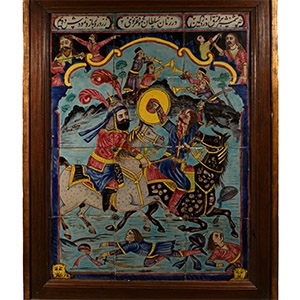
Qajar Tiles Decorated with Persian Battle Scene
19th century A.D.Estimate: £3,000 - 4,000 (+bp*)
Opening Bid: £1,500
A panel of twelve glazed pictorial tiles in vibrant colours depicting a battle scene from the epic poem 'Shahnameh', written during the reign of Sultan Mahmoud Ghaznavi (979-1030 A.D). and presented to him by the poet Ferdowsi, with two warriors on horseback fighting with swords, four trumpeters above and wounded figures and discarded arms below; with three small cartouches of nastaʿlīq script inscription at top; the tiles set with ornamental studs at intersections; all mounted within a substantial part-gilt wooden frame for hanging or display. 24.5 kg, 87 x 68.5 cm
Ex Habib Anavian Galleries Ltd, New York, USA. with Mahboubian Gallery, London, UK. Accompanied by the original 1979 catalogue where this piece is published. This lot has been checked against the Interpol Database of stolen works of art and is accompanied by a search certificate number no.12129-217321. -
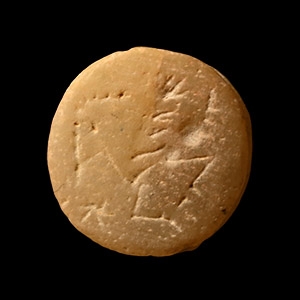
Urartu Alabaster Stamp Seal
8th-7th century B.C.Estimate: £100 - 140 (+bp*)
Opening Bid: £50
Bifacial round seal with mythical creatures, likely winged ibexes; pierced hole for suspension. 3.36 grams, 16 mm
Ex London, UK, collection, before 1988.
Animal-headed creatures are often winged bird-headed figures with human body in the Urartu and Northern-Syrian seals of ‘dnplţ ‘bd ‘mndb type, but often winged, apparently ibex-headed figures appear on the seals of the type bqšt bt ‘bdyrh. The ibex-headed figures might belong to same group of semi-divine beings visible on the Assyrian art.
