
Loading, please wait...
LOT 1176
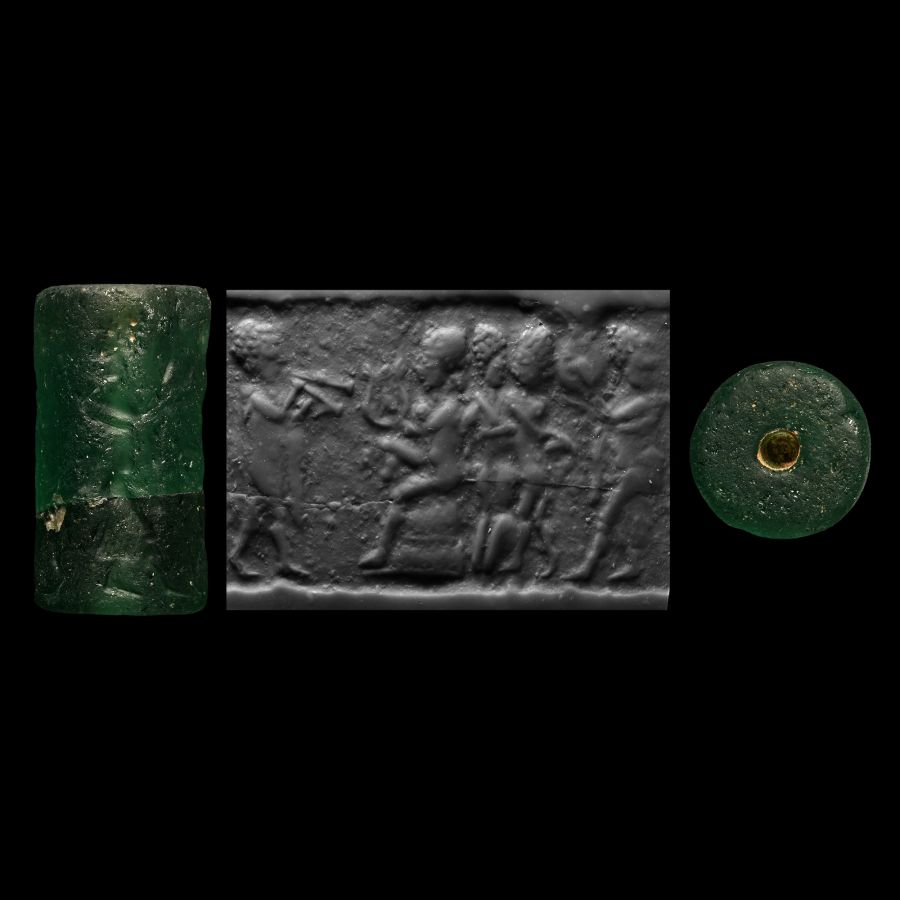
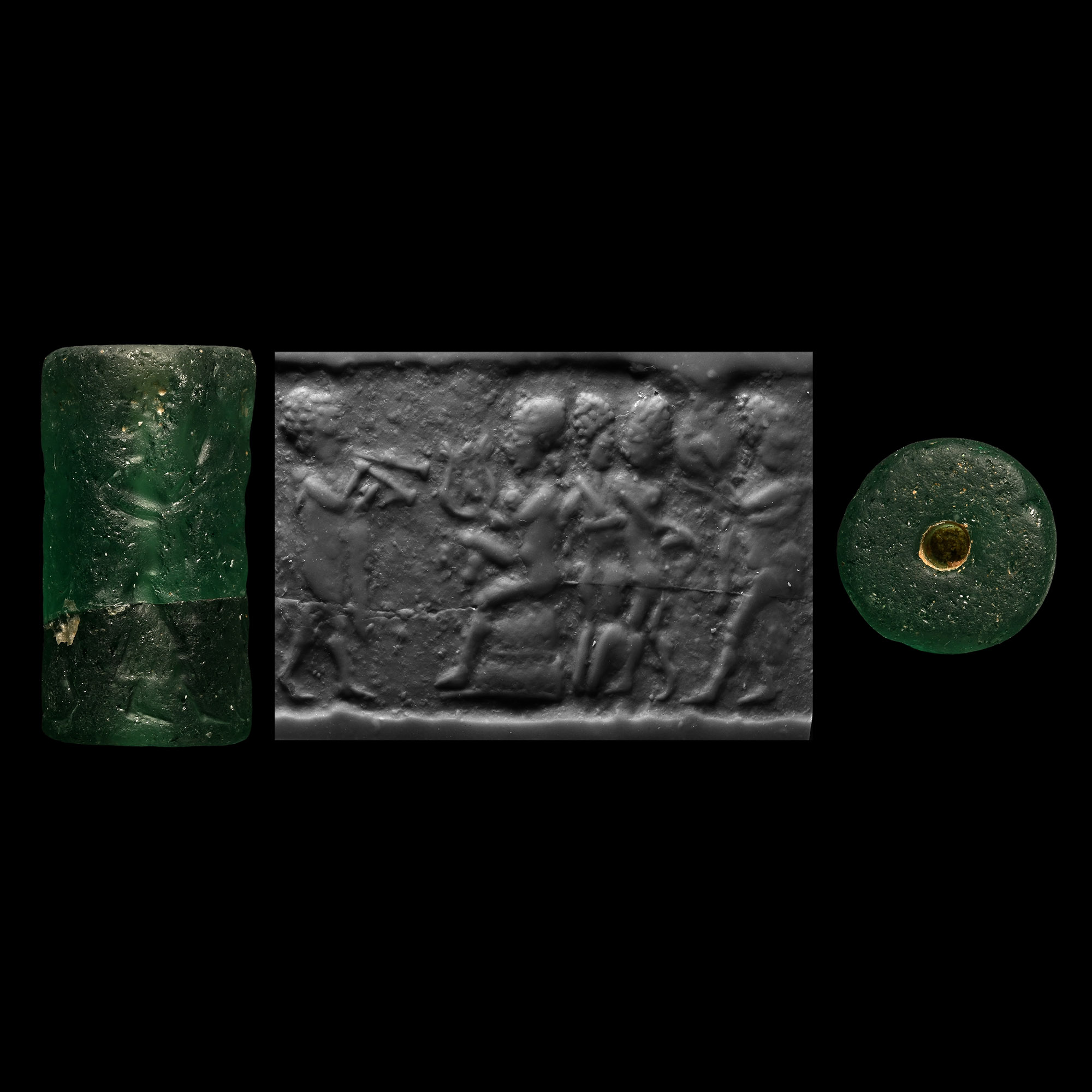
Western Asiatic Green Glass Cylinder Seal with Entertainment Scene
EARLY 1ST MILLENNIUM B.C.
1 1/4 in. (16.55 grams, 31 mm).
With frieze of entertainers: standing nude figure with curly hair holding a syrinx to her mouth facing a seated nude female playing a curved lyre; to her rear, three nude female dancers; supplied with a museum-quality impression.
ProvenanceFrom the property of late Mr SM, London, UK, 1970-1990s, thence by descent.
Examined by Professor Wilfrid George Lambert FBA (1926-2011), historian, archaeologist, and specialist in Assyriology and Near Eastern archaeology, in the late 1980s and early 1990s.
Glass is very rarely used in this period for cylinder seals.
CONDITIONTimeLine Auctions follows a vetting process to ensure the authenticity and legality of all items, reinforcing our commitment to integrity and responsible trading. Each antiquity, antique, and coin lot undergoes thorough examination by a vetting committee of at least ten external specialists, professional trade association members, scientists, and archaeologists: Our Vetting Process
AUCTIONS:
TimeLine is a leading auction house specialising in antiquities, ancient art, collectables, natural history, coins, medals, and books. Our auctions offer museums, collectors, historians, and enthusiasts the opportunity to acquire unique and historically significant pieces.
LOT 1176
Western Asiatic Green Glass Cylinder Seal with Entertainment Scene
Sold for (Inc. bp): £715
-
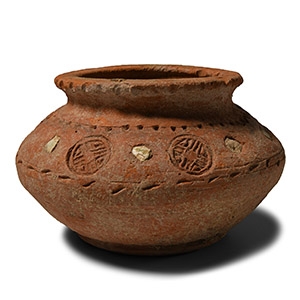
Bactrian Ceramic Jar with Stamped Decoration
1st millennium B.C.Sold for (Inc. bp): £468
Squat in profile with broad foot, carinated rim with notched edge, band of impressed rosettes and inset shell studs to the shoulder, notched borders. 540 grams, 13.8 cm wide
with a London, UK gallery 1971-early 2000s. -
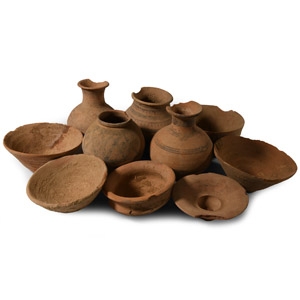
Western Asiatic Terracotta Vessel Group
2nd-1st millennium B.C.Sold for (Inc. bp): £169
Including bowl with carinated profile, bulbous painted jar and other items. 2.7 kg total, 12 cm wide -14 cm high
Ex London, UK, gallery, 1980s. From a UK private collection. -
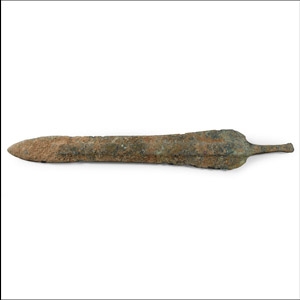
Luristan Bronze Dagger Blade
13th-7th century B.CSold for (Inc. bp): £98
Comprising a slender blade with a raised midrib extending towards the short tang. 147 grams, 27.7 cm
Property of an Essex, UK, gentleman.
