
Loading, please wait...
LOT 1145
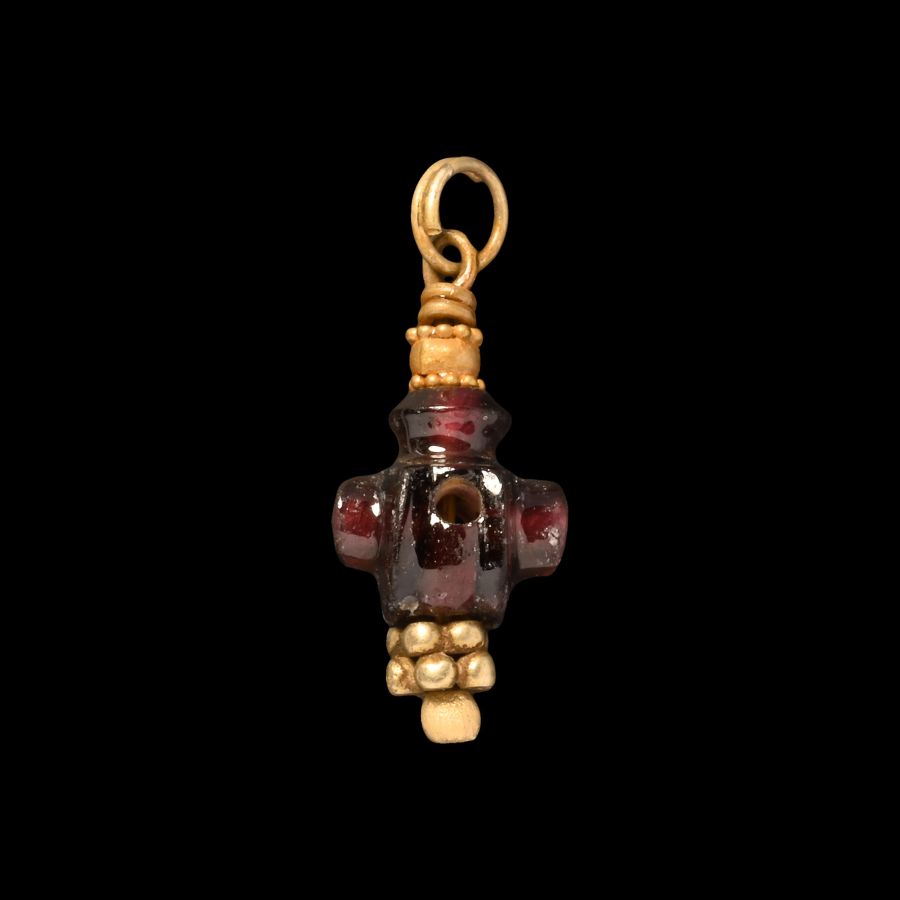
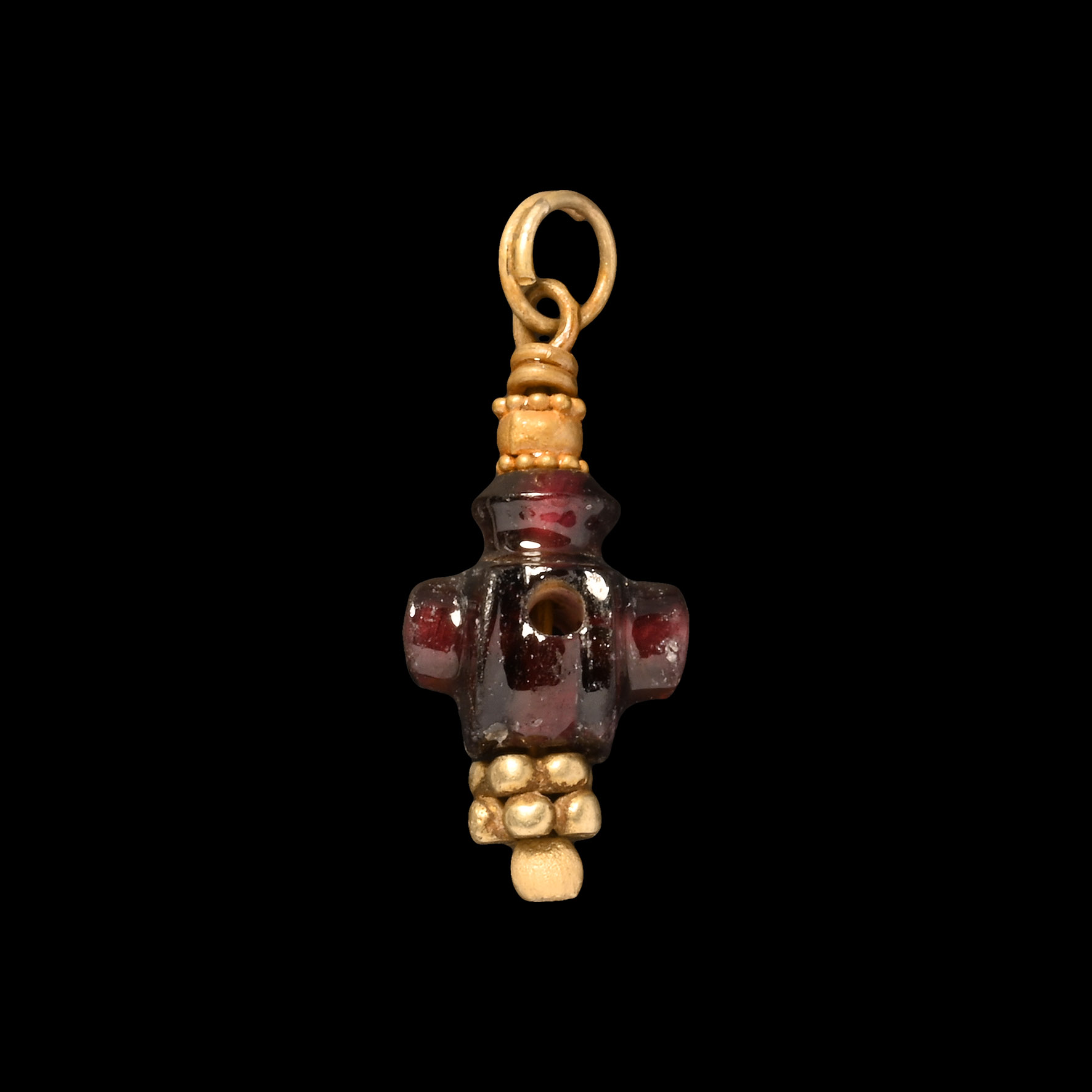
Western Asiatic Gold Pendant with Bead
2ND-3RD CENTURY A.D.
1 in. (1.87 grams, 24 mm).
With square-section amethyst pierced pillar, granulated gold collars, suspension ring.
ProvenanceFrom a late Japanese specialist collector, 1970-2000s.
CONDITIONTimeLine Auctions follows a vetting process to ensure the authenticity and legality of all items, reinforcing our commitment to integrity and responsible trading. Each antiquity, antique, and coin lot undergoes thorough examination by a vetting committee of at least ten external specialists, professional trade association members, scientists, and archaeologists: Our Vetting Process
AUCTIONS:
TimeLine is a leading auction house specialising in antiquities, ancient art, collectables, natural history, coins, medals, and books. Our auctions offer museums, collectors, historians, and enthusiasts the opportunity to acquire unique and historically significant pieces.
-
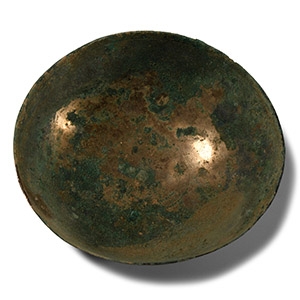
Achaemenid Bronze Bowl
Circa 6th-4th century B.C.Sold for (Inc. bp): £117
Broad tinned bowl with flat underside. 131 grams, 16.5 cm
Acquired 1980-2015. Ex Abelita family collection. -
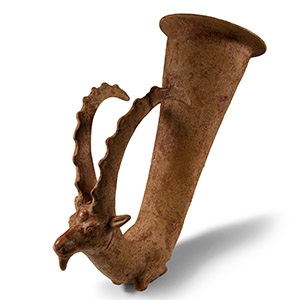
Western Asiatic Ceramic Ibex Rhyton
1st millennium B.C.Sold for (Inc. bp): £7,800
With trumpet-shaped mouth, ibex-shaped finial with curved horns and legs folded beneath the body, spout to the chest; repaired. 803 grams, 30 cm
with a London, UK gallery 1971. Accompanied by an original thermoluminescence analysis report and photograph by Oxford Authentication with sample no.281y94 dated 16 June 1981. This lot has been checked against the Interpol Database of stolen works of art and is accompanied by search certificate no.12068-213298. -
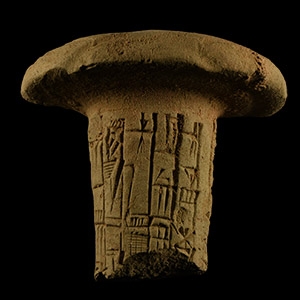
Mesopotamian Cuneiform Foundation Nail
3rd-2nd millennium B.C.Sold for (Inc. bp): £442
Conical foundation nail fragment with broad domed top, columns of cuneiform text to the shank. 322 grams, 96 mm
Acquired in London in 1995. European private collection.
Temple nails or cones were placed in the foundations of newly-built temples. Their form imitates nails or pegs and they bear inscriptions stating the name of the reigning king and regnal year, and the god(s) to whom the temple was dedicated.
