
Loading, please wait...
LOT 1198
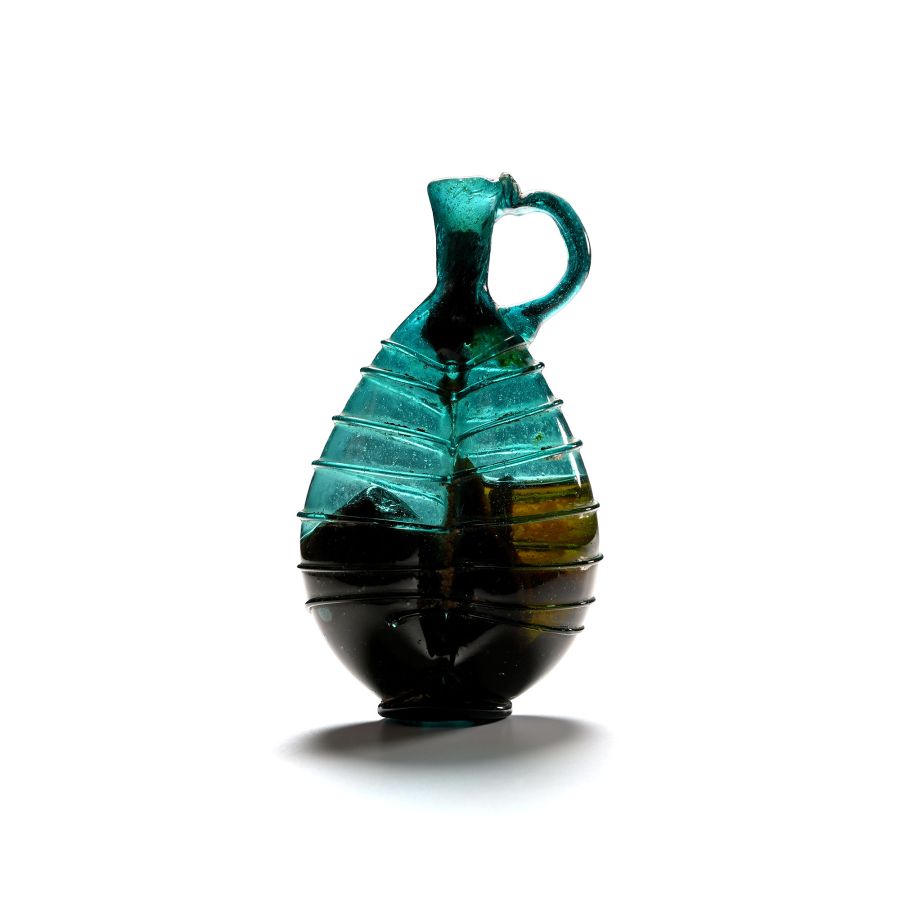
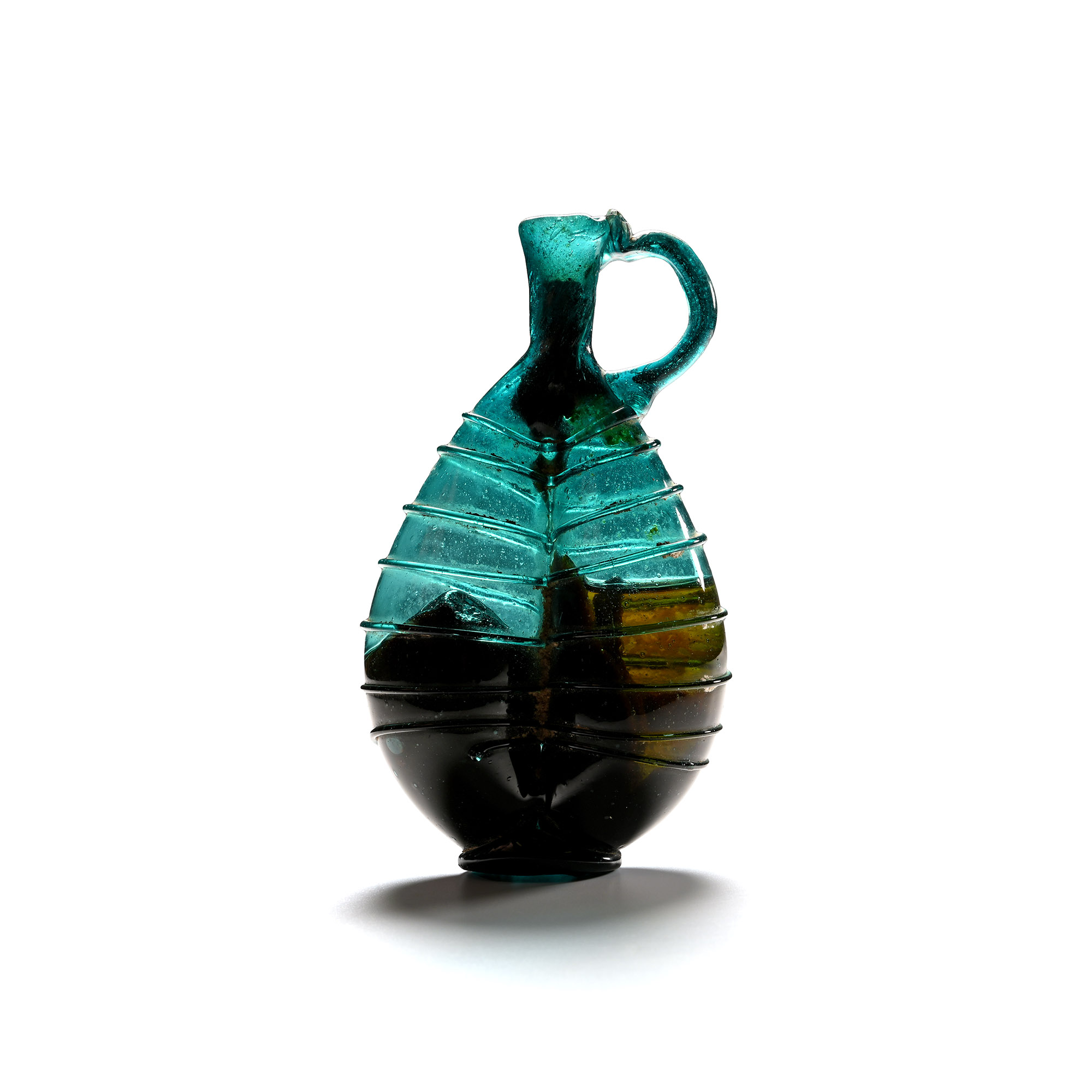
Western Asiatic Glass Ribbed Double Unguent with Contents
7TH-8TH CENTURY A.D.
4 3/8 in. (90 grams, 11.1 cm).
Comprising two conjoined kidney-shaped cells decorated with applied trails, extending to a single short neck with everted rim, discoid foot to the base and an applied handle to the shoulder; containing free flowing liquid and congealed organic substance to both cells.
Provenancewith Christie's, London, Islamic Art, 16 October 2001, no.285.
Private collection, Europe.
This lot has been checked against the Interpol Database of stolen works of art and is accompanied by a search certificate number no.12432-226701.
This lot has been cleared against the Art Loss Register database, and is accompanied by an illustrated lot declaration signed by the Head of the Antiquities Department, Dr Raffaele D'Amato.
Cf. Carboni, S. & Whitehouse, D., Glass of the Sultans, New York, 2002, item 39, for similar profile, applied trails and mouth.
FootnotesMany objects of this type were made in Syrian and Mesopotamian workshops and under both Eastern Roman and Sassanid domination. The type was probably already produced in the workshops of the Roman Empire, but it lasted until the early Islamic Period.
CONDITIONTimeLine Auctions follows a vetting process to ensure the authenticity and legality of all items, reinforcing our commitment to integrity and responsible trading. Each antiquity, antique, and coin lot undergoes thorough examination by a vetting committee of at least ten external specialists, professional trade association members, scientists, and archaeologists: Our Vetting Process
AUCTIONS:
TimeLine is a leading auction house specialising in antiquities, ancient art, collectables, natural history, coins, medals, and books. Our auctions offer museums, collectors, historians, and enthusiasts the opportunity to acquire unique and historically significant pieces.
LOT 1198
Western Asiatic Glass Ribbed Double Unguent with Contents
Sold for (Inc. bp): £2,340
-
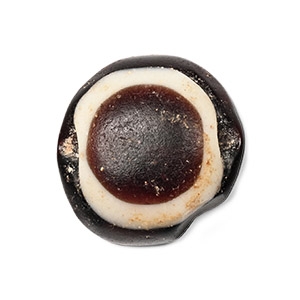
Western Asiatic Glass Eye Bead
1st millennium B.C.Sold for (Inc. bp): £247
Layered glass cabochon imitating banded agate 'eye' design. 1.6 grams, 14 mm
Ex collection of the late S.M., London, UK, 1970-1990s. This lot has been cleared against the Art Loss Register database, and is accompanied by an illustrated lot declaration signed by the Head of the Antiquities Department, Dr Raffaele D'Amato. -
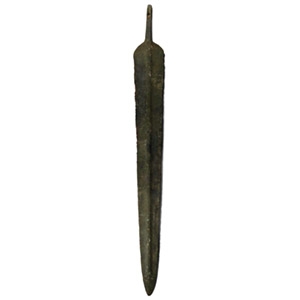
Very Large Luristan Bronze Sword
Early 1st millennium B.C.Sold for (Inc. bp): £157
Tapering leaf-shaped blade with a raised midrib developing to a short rectangular-section tang, pierced at the end. 482 grams, 49 cm
Ex London art market, 1980-1990s. This lot has been cleared against the Art Loss Register database, and is accompanied by an illustrated lot declaration signed by the Head of the Antiquities Department, Dr Raffaele D'Amato.
The Luri people produced a quantity of fine metalwork, which according to Dr. Khorasani, could be due to a settled period which arose as a result of the defeat of the Elamites by the Babylonians, leaving the Luristani people in relative peace for a period of time after 1200 BC. According to Khorasani 'A culture of innovation and experimentation flourished, and the repertoire of the Luristan smiths expanded in the period between 1150-1050 B.C.' -
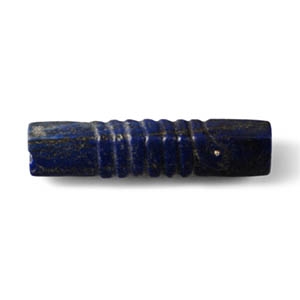
Bactrian Lapis Lazuli Tubular Bead with Snake
3rd millennium B.C.Estimate: £500 - 700 (+bp*)
Opening Bid: £150
Square in section, tubular bead with reserved coiled serpent, head at each end. 3.32 grams, 36 mm
with Gallery Rosen Ancient Art, Tel Aviv, 1968. with a London, UK gallery, 1971-early 2000s. Includes a copy of the original 1968 invoice. This lot has been cleared against the Art Loss Register database, and is accompanied by an illustrated lot declaration signed by the Head of the Antiquities Department, Dr Raffaele D'Amato.
