
Loading, please wait...
LOT 0978
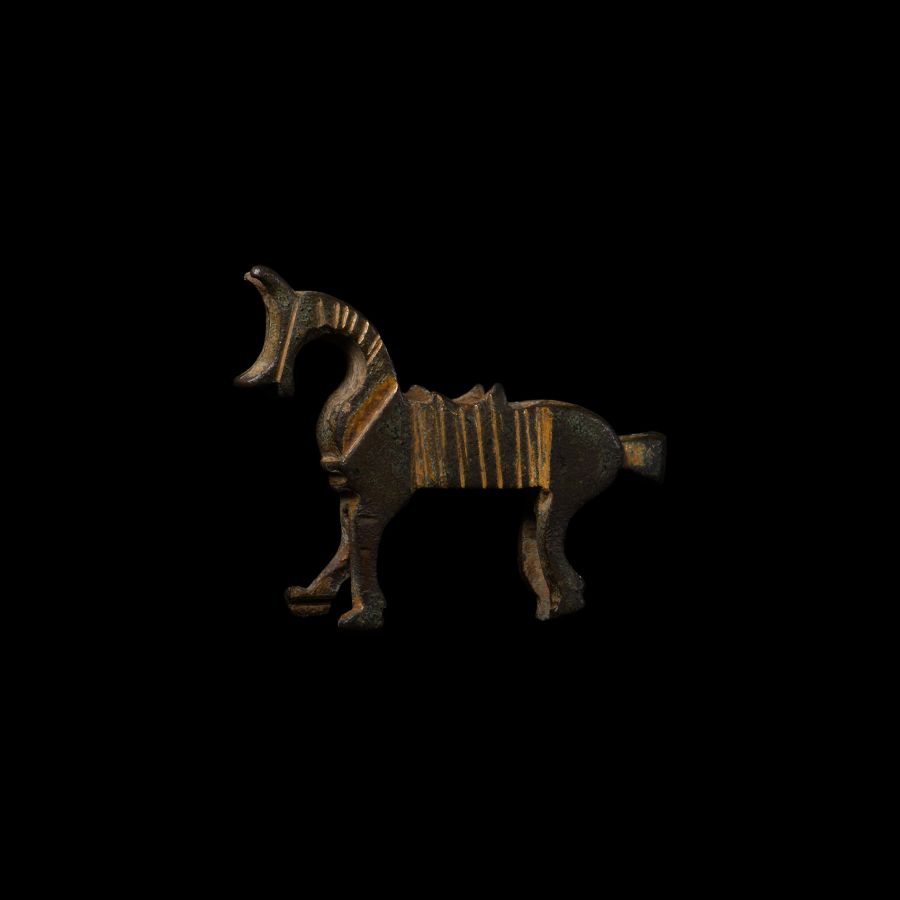
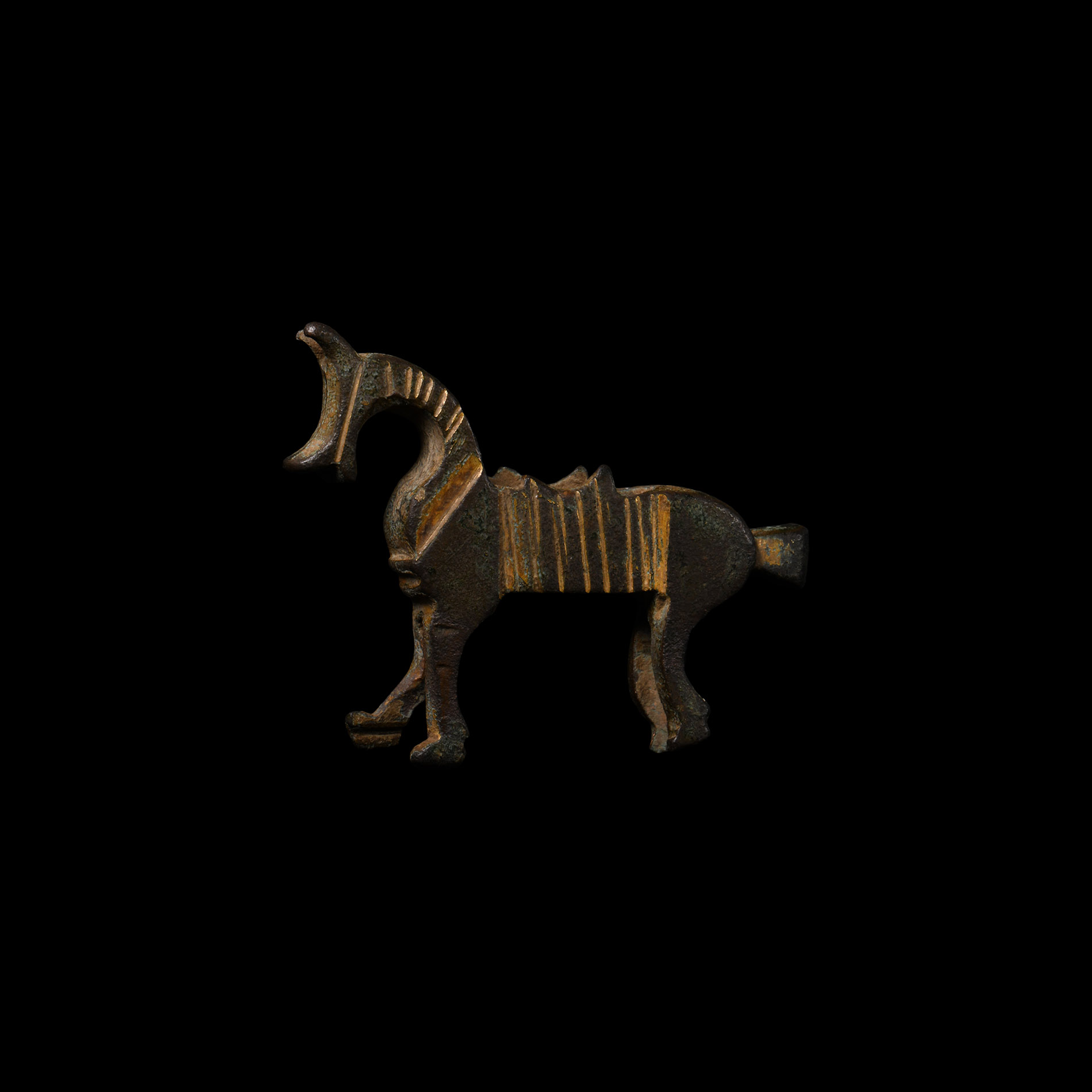
Western Asiatic Gilt Bronze Horse Padlock
CIRCA 13TH-15TH CENTURY A.D.
1 3/4 in. (20.2 grams, 46 mm).
In the form of a stylised horse, the body and tail with gilded line detailing; hollow, the mechanism not present. [No Reserve]
ProvenanceUK art market, acquired prior to 1985.
LiteratureCf. The British Museum, museum number OA+.1343 and 1872,0816.91, for similar.
FootnotesLikely Ilkhanid or Timurid dynasty.
CONDITIONTimeLine Auctions follows a vetting process to ensure the authenticity and legality of all items, reinforcing our commitment to integrity and responsible trading. Each antiquity, antique, and coin lot undergoes thorough examination by a vetting committee of at least ten external specialists, professional trade association members, scientists, and archaeologists: Our Vetting Process
AUCTIONS:
TimeLine is a leading auction house specialising in antiquities, ancient art, collectables, natural history, coins, medals, and books. Our auctions offer museums, collectors, historians, and enthusiasts the opportunity to acquire unique and historically significant pieces.
LOT 0978
Western Asiatic Gilt Bronze Horse Padlock
Estimate £200 - 300€230 - 350 (for guidance only)$270 - 410 (for guidance only)
-
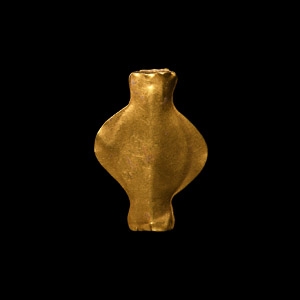
Western Asiatic Gold Butterfly Bead
2nd-1st millennium B.C.Sold for (Inc. bp): £676
Of hollow construction with two sub-triangular flanges flanking a tubular loop. 5.16 grams, 35 mm
Fine condition.
Acquired 1970-2010. Collection of a late Japanese gentleman. -
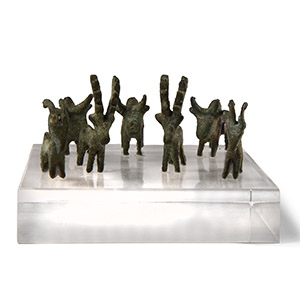
Amlash Miniature Animal Figurine Group
9th-8th century B.C.Sold for (Inc. bp): £390
Comprising three zebu bulls and four horned goats, mounted on a custom-made display base. 175 grams total, 88 x 75 mm including stand
with a London, UK gallery, 1971-early 2000s. -
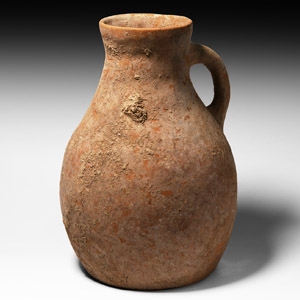
Western Asiatic Terracotta Pitcher
1st millennium A.D.Estimate: £100 - 140 (+bp*)
Opening Bid: £50
Piriform with integral round-section handle. 1.7 kg, 27 cm high
Acquired 1980-2015. Ex Abelita family collection.
