
Loading, please wait...
LOT 1186
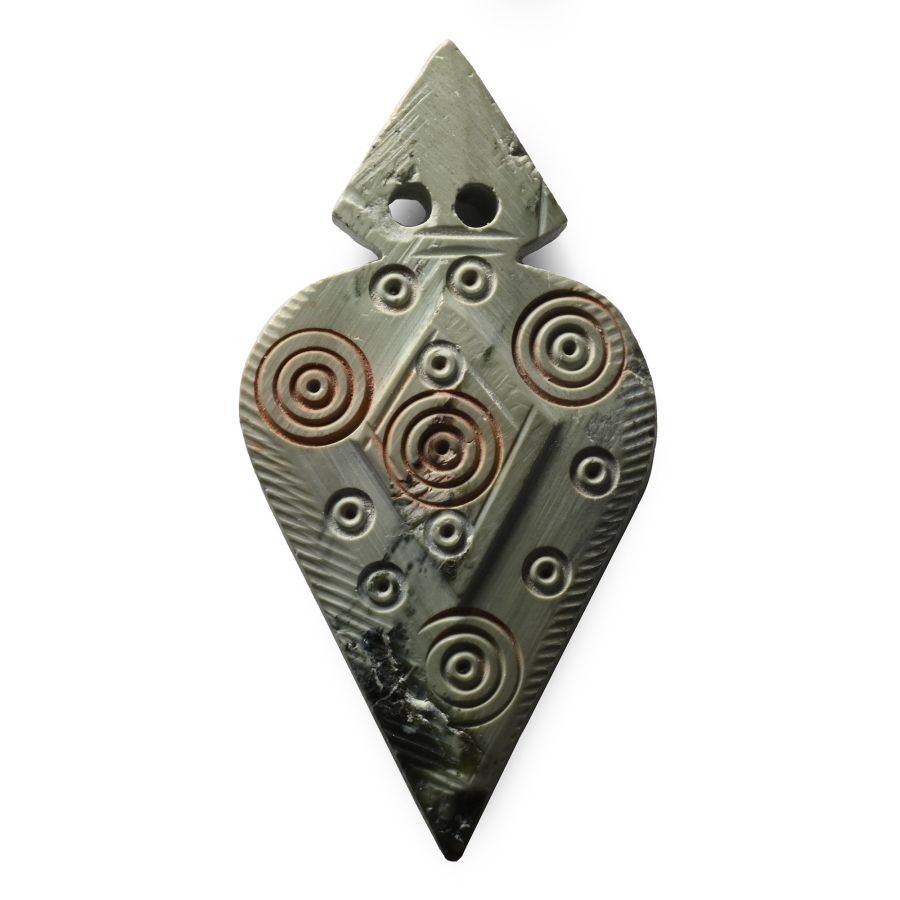
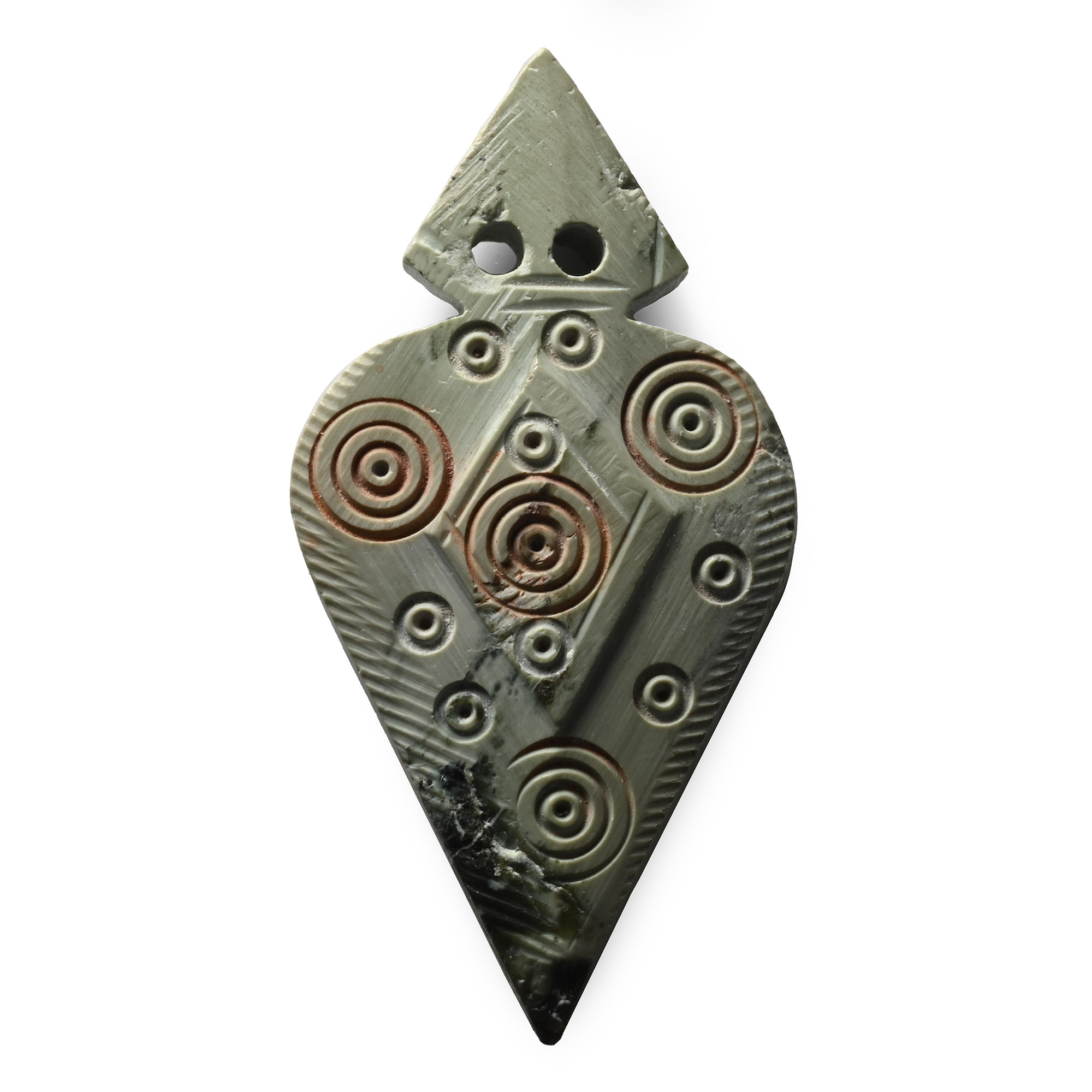
Western Asiatic Eye Pendant
19TH-20TH CENTURY A.D.
1 5/8 in. (4.27 grams, 42 mm).
Plano-convex in section, heart-shaped body with reserved lozenge panel, incised ring-and-dot motifs; lozengiform bale with two suspension holes. [No Reserve]
ProvenancePrivate collection, London, UK.
This lot has been cleared against the Art Loss Register database, and is accompanied by an illustrated lot declaration signed by the Head of the Antiquities Department, Dr Raffaele D'Amato.
TimeLine Auctions follows a vetting process to ensure the authenticity and legality of all items, reinforcing our commitment to integrity and responsible trading. Each antiquity, antique, and coin lot undergoes thorough examination by a vetting committee of at least ten external specialists, professional trade association members, scientists, and archaeologists: Our Vetting Process
AUCTIONS:
TimeLine is a leading auction house specialising in antiquities, ancient art, collectables, natural history, coins, medals, and books. Our auctions offer museums, collectors, historians, and enthusiasts the opportunity to acquire unique and historically significant pieces.
-
.jpg)
Achaemenid Banded Agate Cylinder Seal with King Grasping Rampant Gryphons
6th-4th century B.C.Sold for (Inc. bp): £975
Biconical with median gusset, showing a standing ling grasping the throat of two rearing gryphons; supplied with a museum-quality impression. 3.39 grams, 24 mm
Ex 'S' collection, London, UK. Examined by Professor Wilfrid George Lambert FBA (1926-2011), historian, archaeologist, and specialist in Assyriology and Near Eastern archaeology, in the late 1980s and early 1990s. This lot has been cleared against the Art Loss Register database, and is accompanied by an illustrated lot declaration signed by the Head of the Antiquities Department, Dr Raffaele D'Amato. -
.jpg)
Western Asiatic Stamp Seal with Winged God
Circa 800 B.C.Estimate: £250 - 350 (+bp*)
Opening Bid: £125
Conical body with ribbed collar and loop, raised plaque to the underside with incuse image of winged figure; supplied with a museum-quality impression. 6.8 grams, 16 mm
From the collection of a gentleman, acquired on the London art market in the 1990s. This lot has been cleared against the Art Loss Register database, and is accompanied by an illustrated lot declaration signed by the Head of the Antiquities Department, Dr Raffaele D'Amato. -
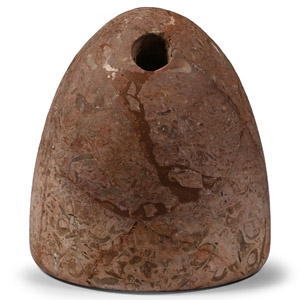
Bactrian Stone Weight
2nd millennium B.C. or laterSold for (Inc. bp): £416
Conical in profile with flat base and U-shaped channel through the apex. 7.25 kg, 17 cm
Ex Mayfair gallery, London, UK, 1990s. This lot has been cleared against the Art Loss Register database, and is accompanied by an illustrated lot declaration signed by the Head of the Antiquities Department, Dr Raffaele D'Amato.
