
Loading, please wait...
LOT 0997
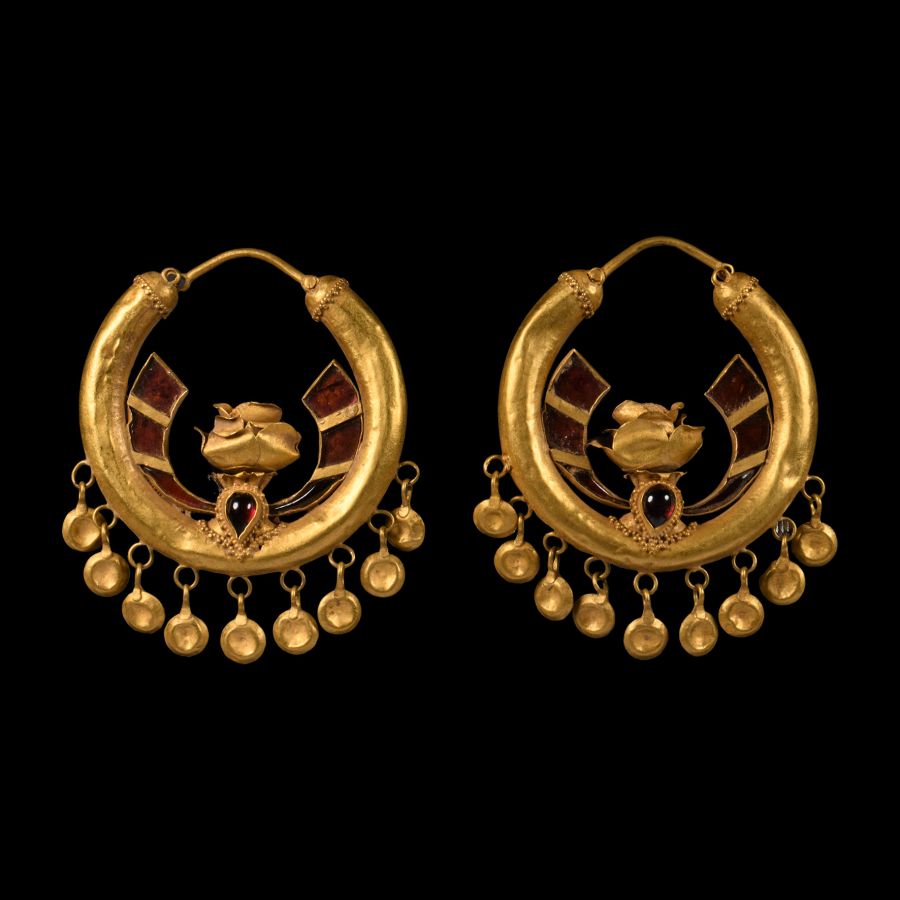
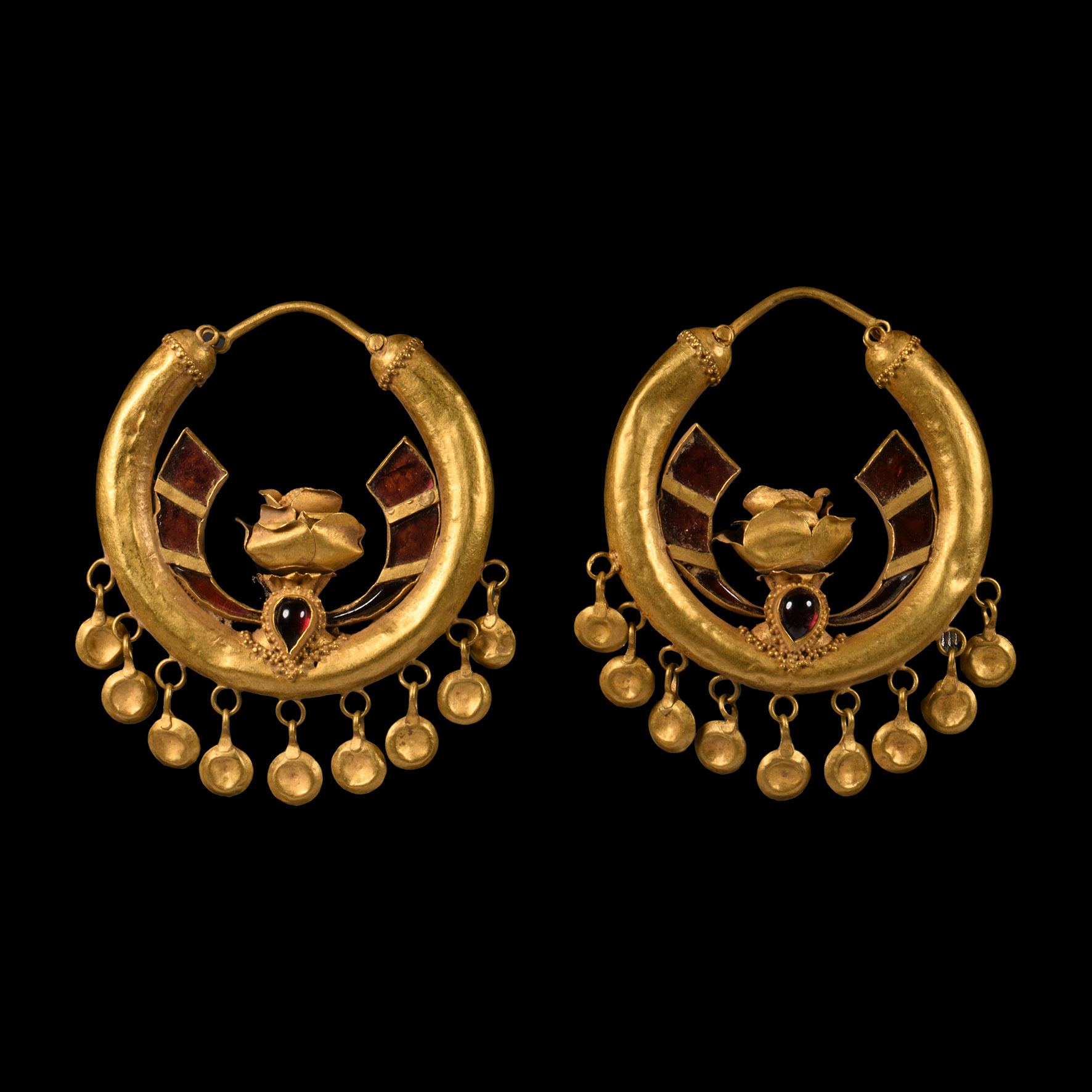
Western Asiatic Elaborate Gold Earring Pair
20TH CENTURY A.D. OR EARLIER
2 - 2 1/8 in. (23.7 grams total, 52-55 mm).
Comprising a hollow penannular tube with domed finials, hinge and suspension bar attached; to the outer edge of the tube, nine rings each with a hollow discoid pendant; to the inner edge of the tube, a crescentic plaque set with six garnet cloisons and a heart-shaped cell with granule detail, inset cabochon garnet, supporting a sheet-gold flower. [2]
ProvenanceFrom the collection of a North American gentleman, formed in the 1990s.
CONDITIONTimeLine Auctions follows a vetting process to ensure the authenticity and legality of all items, reinforcing our commitment to integrity and responsible trading. Each antiquity, antique, and coin lot undergoes thorough examination by a vetting committee of at least ten external specialists, professional trade association members, scientists, and archaeologists: Our Vetting Process
AUCTIONS:
TimeLine is a leading auction house specialising in antiquities, ancient art, collectables, natural history, coins, medals, and books. Our auctions offer museums, collectors, historians, and enthusiasts the opportunity to acquire unique and historically significant pieces.
-
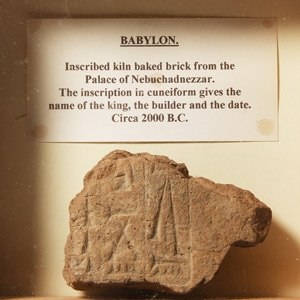
Babylonian Brick Fragment from the Grand Palace of Nebuchadnezzar
2nd-1st millennium B.C.Sold for (Inc. bp): £975
Bearing lines of stamped Babylonian cuneiform inscription to one face, framed with old label which reads: 'BABYLON / Inscribed kiln baked brick from the Palace of Nebuchadnezzar. The inscription in cuneiform gives the name of the king, the builder and the date. Circa 2000 B.C. 300 grams total, 14.5 x 14.5 cm
Ex Kathleen Bouch (né Graves-Morris), circa 1930. From the collection of John Wyn Graves-Morris, who had it until his death in 2012; thence by descent. -
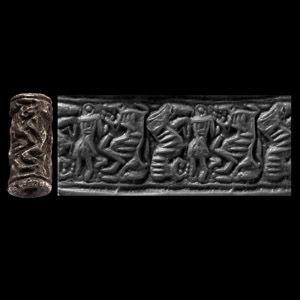
Western Asiatic Silver Cylinder Seal
2nd-1st millennium B.C.Sold for (Inc. bp): £910
Displaying an incuse frieze depicting a Master of Animals gripping bulls; accompanied by a museum-quality impression. 3.24 grams, 1.5 cm
Ex private collection, 1965-2020. -
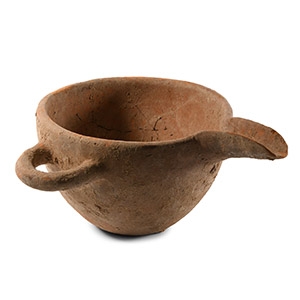
Amlash Terracotta Pouring Bowl
1st millennium B.C.Estimate: £100 - 140 (+bp*)
Opening Bid: £50
Comprising a u-section spout and round-section loop handle. 488 grams, 19.3 cm wide
Ex Rabi Gallery, Mayfair, London, UK. Ex private collection.
