
Loading, please wait...
LOT 1225
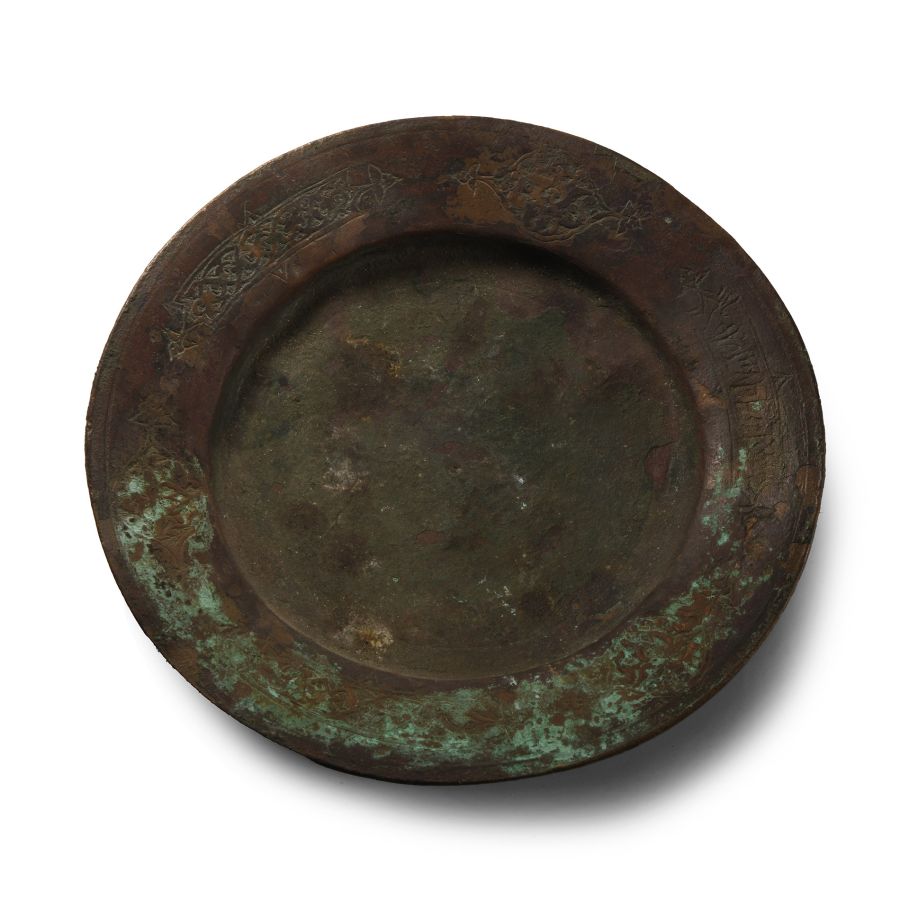
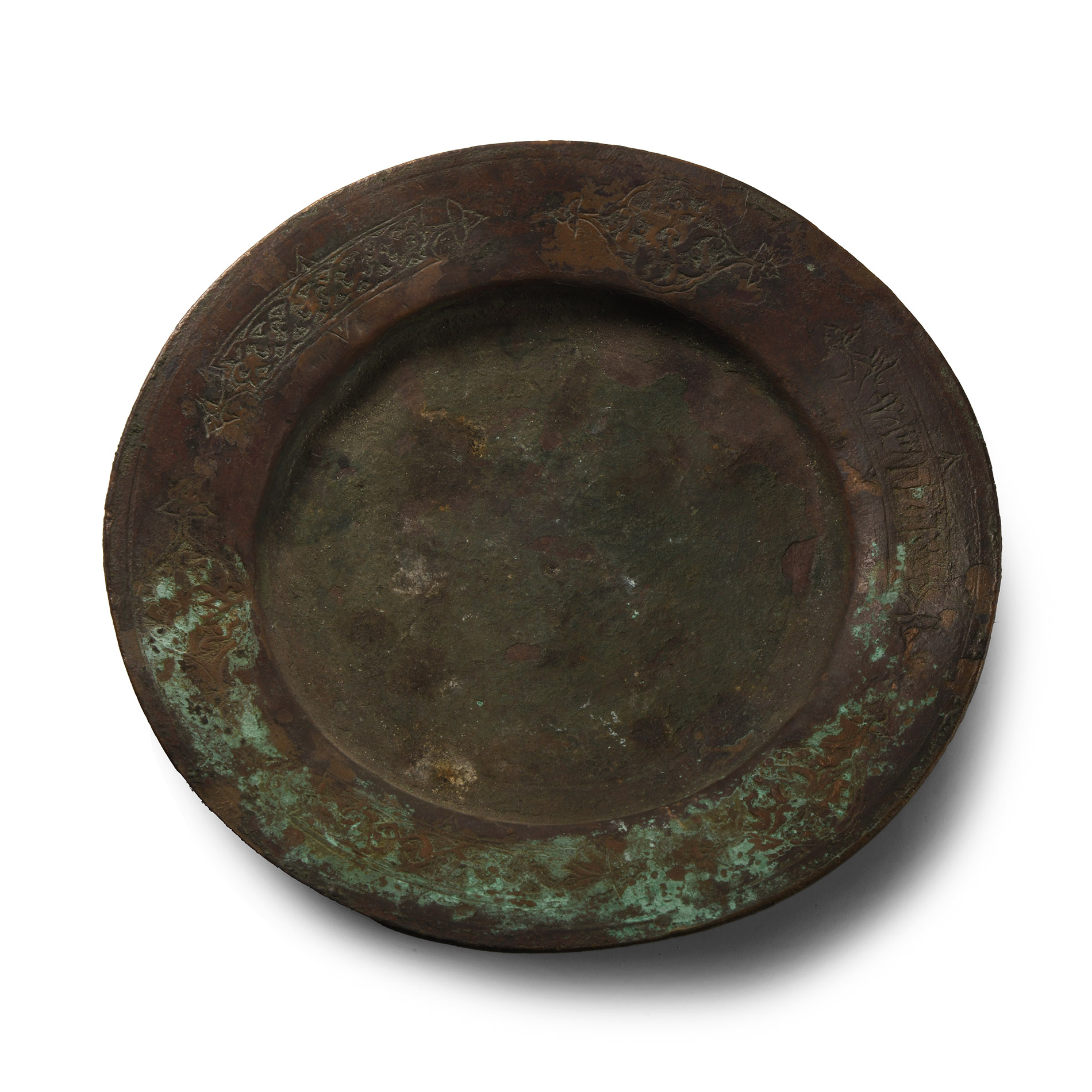
Western Asiatic Decorated Bronze Dish with Inscription
12TH-13TH CENTURY A.D.
7 5/8 in. (323 grams, 19.5 cm).
Broad dish with carinated profile, blocks of reserved interlace to the rim and calligraphic panel. [No Reserve]
ProvenanceCollected from 1969-1999.
From the collection of the late Mr S.M., London, UK.
TimeLine Auctions follows a vetting process to ensure the authenticity and legality of all items, reinforcing our commitment to integrity and responsible trading. Each antiquity, antique, and coin lot undergoes thorough examination by a vetting committee of at least ten external specialists, professional trade association members, scientists, and archaeologists: Our Vetting Process
AUCTIONS:
TimeLine is a leading auction house specialising in antiquities, ancient art, collectables, natural history, coins, medals, and books. Our auctions offer museums, collectors, historians, and enthusiasts the opportunity to acquire unique and historically significant pieces.
-
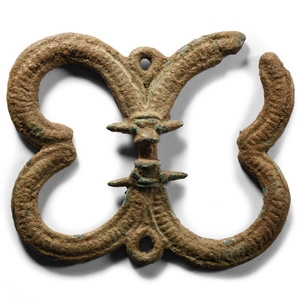
Luristan Bronze Horse Trapping with Animal Decoration
13th-7th century B.C.Sold for (Inc. bp): £65
Formed as two waisted loops with ribbed detailing, central slot framed by facing ibex heads, small loops in the spandrels. 93 grams, 10 cm
Acquired 1980-2015. Ex Abelita family collection. Accompanied by an earlier catalogue identification card. -
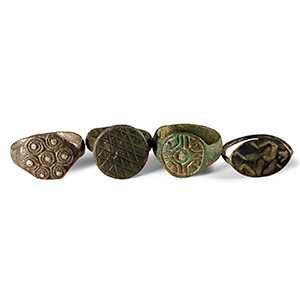
Western Asiatic Silver and Bronze Ring Collection
2nd century B.C.-1st century A.D.Sold for (Inc. bp): £247
Including one with scaphoid bezel and intaglio figure, one with voided cross, and other types. 20 grams total, 21-24 mm
UK private collection before 2000. UK art market. Property of a London gentleman. -
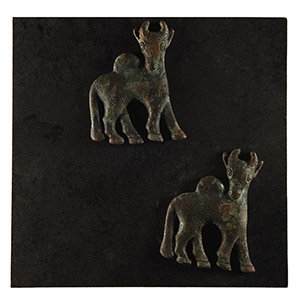
Luristan Bronze Horned Animal Attachment Pair
13th-7th century B.C.Sold for (Inc. bp): £156
Group of two low-relief zebu appliqués mounted on a custom-made display stand. 246 grams total, 68 mm each (15 cm wide including stand)
Ex Abelita family collection. From an old UK collection. Ex London, UK, gallery, 2000s.
