
Loading, please wait...
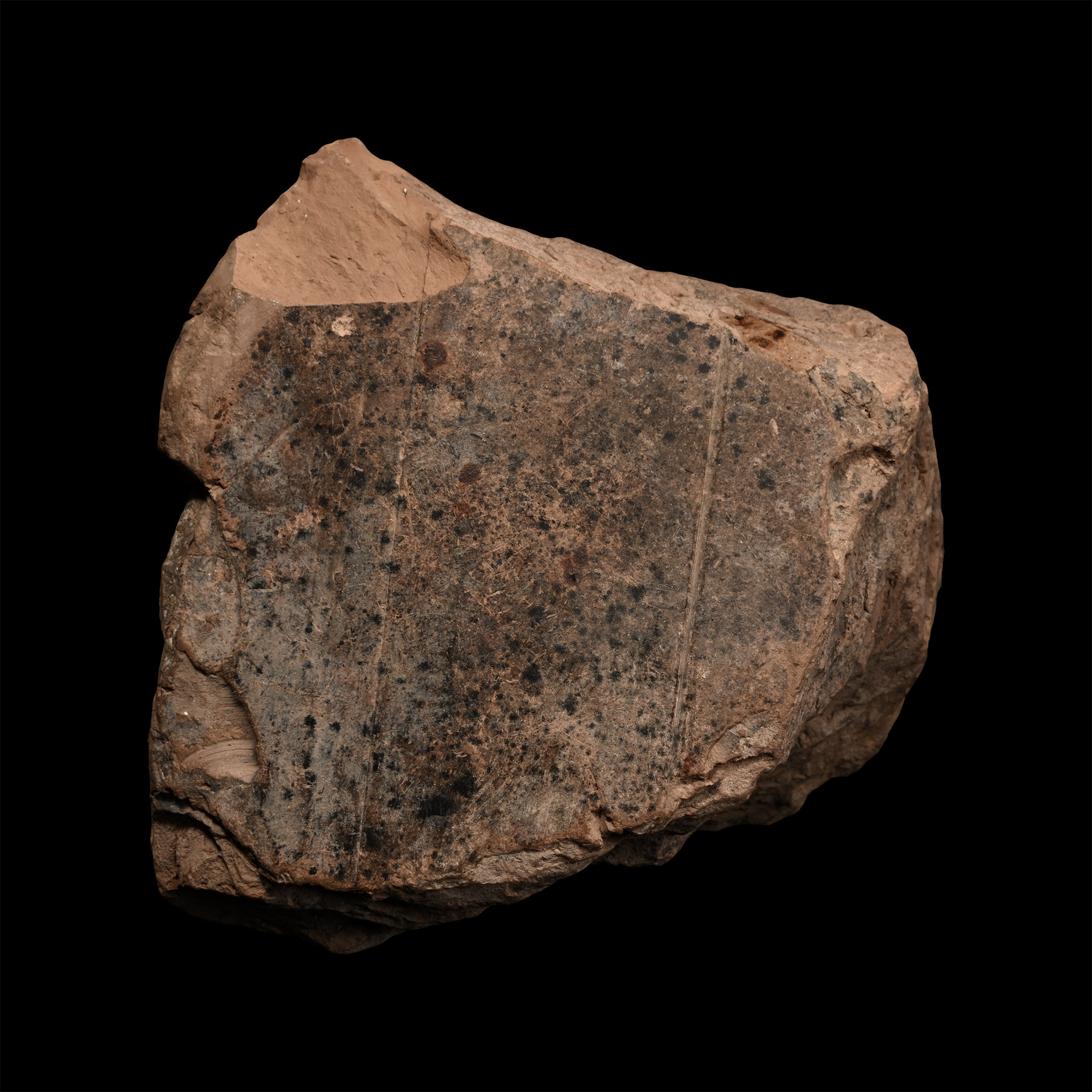
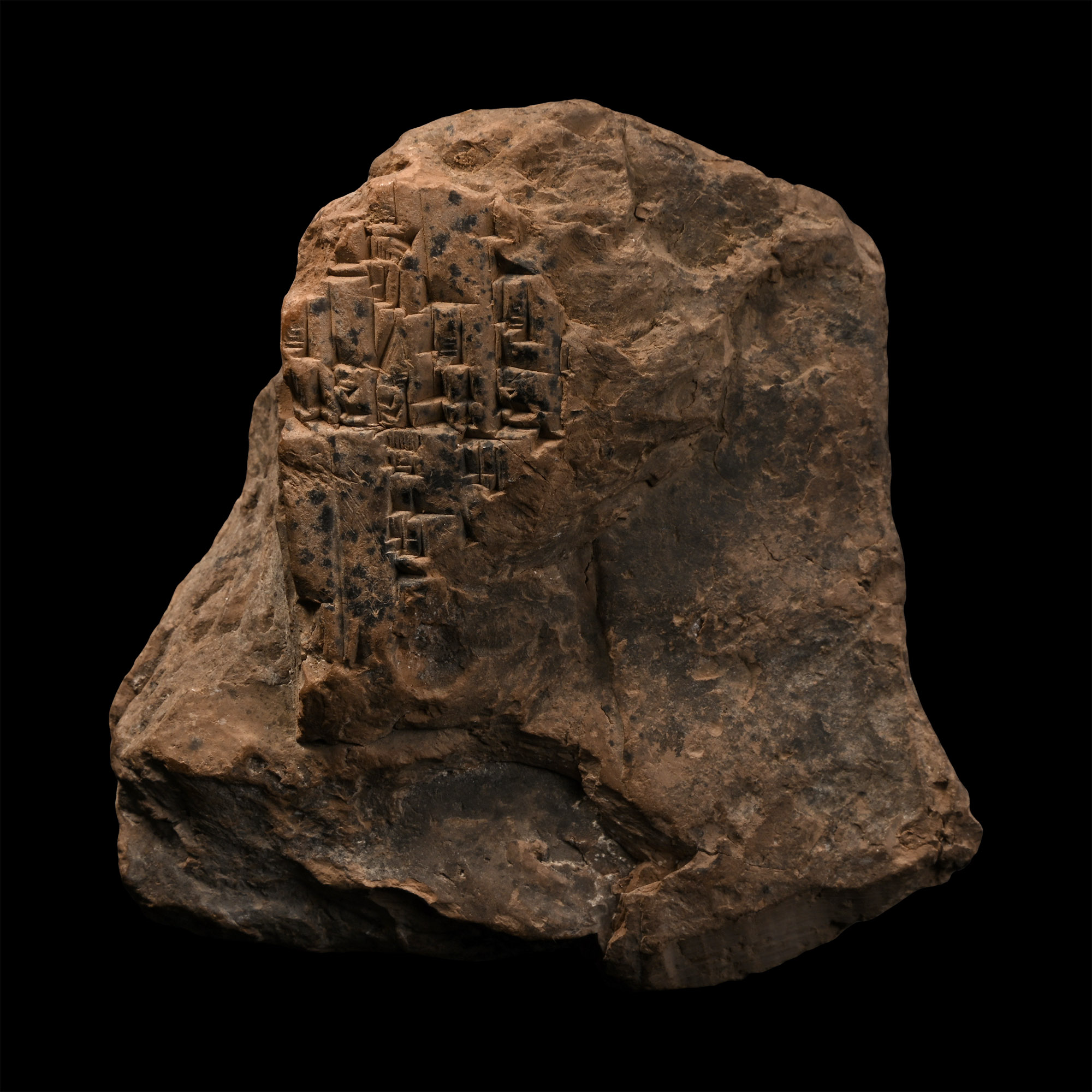
LOT 1329
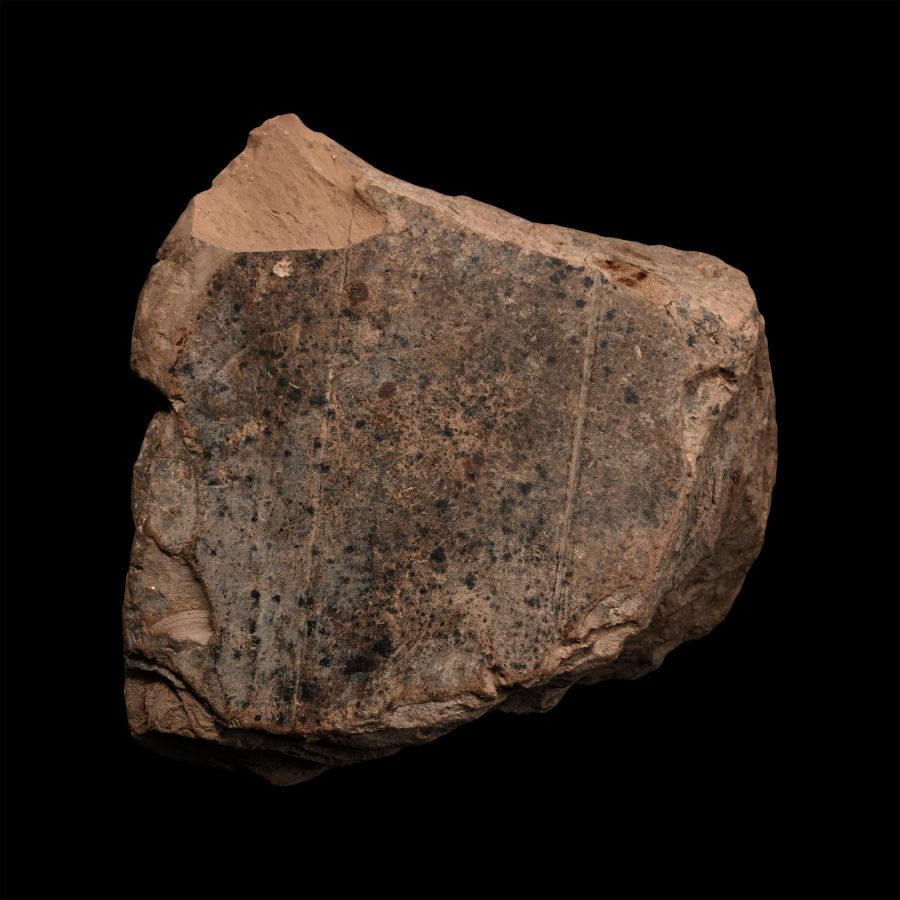
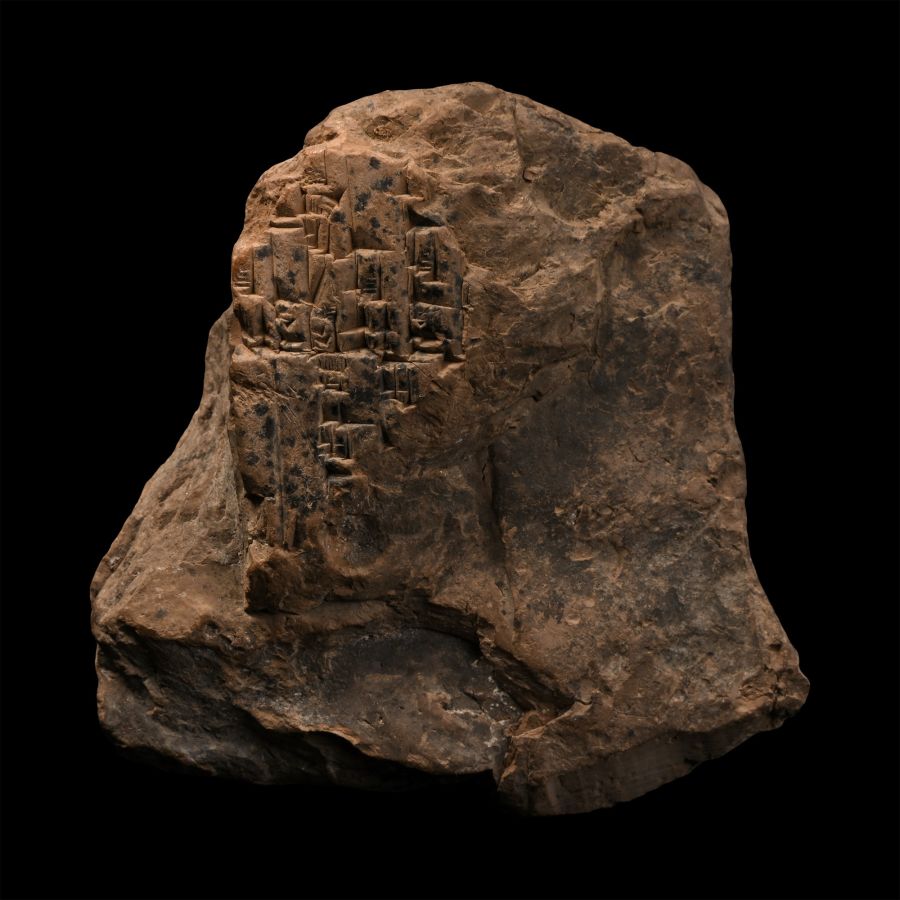
Western Asiatic Cuneiform Tablet Fragment
3RD MILLENNIUM B.C.
3 1/4 in. (146 grams, 84 mm).
An irregular fragment with two prepared faces: obverse, incised grid with five rows of impressed cuneiform text; reverse, smoothed face with two parallel incised lines, polished surface. [No Reserve]
ProvenanceLondon, UK, art market, 1980s.
From the collection of G.M.R.H., London, UK.
TimeLine Auctions follows a vetting process to ensure the authenticity and legality of all items, reinforcing our commitment to integrity and responsible trading. Each antiquity, antique, and coin lot undergoes thorough examination by a vetting committee of at least ten external specialists, professional trade association members, scientists, and archaeologists: Our Vetting Process
AUCTIONS:
TimeLine is a leading auction house specialising in antiquities, ancient art, collectables, natural history, coins, medals, and books. Our auctions offer museums, collectors, historians, and enthusiasts the opportunity to acquire unique and historically significant pieces.
-
Mixed Ancient Bead Collection
1st millennium B.C. and laterSold for (Inc. bp): £59
Including fusiform, oblate biconical, polyhedral and other types in glass, and other materials. 107 grams total, 1-43 mm
London, UK, collection, 2000s. -
Neo Babylonian Haematite Duck Weight
7th-6th century B.C.Sold for (Inc. bp): £98
Formed as a duck, with head turned towards the tail. 6.45 grams, 20 mm
Ex Simmons Gallery, 1990s. Ex London, UK, collection. -
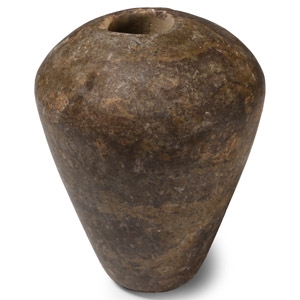
Western Asiatic Stone Macehead
3rd-2nd millennium B.C.Sold for (Inc. bp): £117
Piriform with vertical socket expanding towards the narrower end. 385 grams, 84 mm
From a West London, UK, collection, 1980-1990s. This lot has been cleared against the Art Loss Register database, and is accompanied by an illustrated lot declaration signed by the Head of the Antiquities Department, Dr Raffaele D'Amato.
