
Loading, please wait...


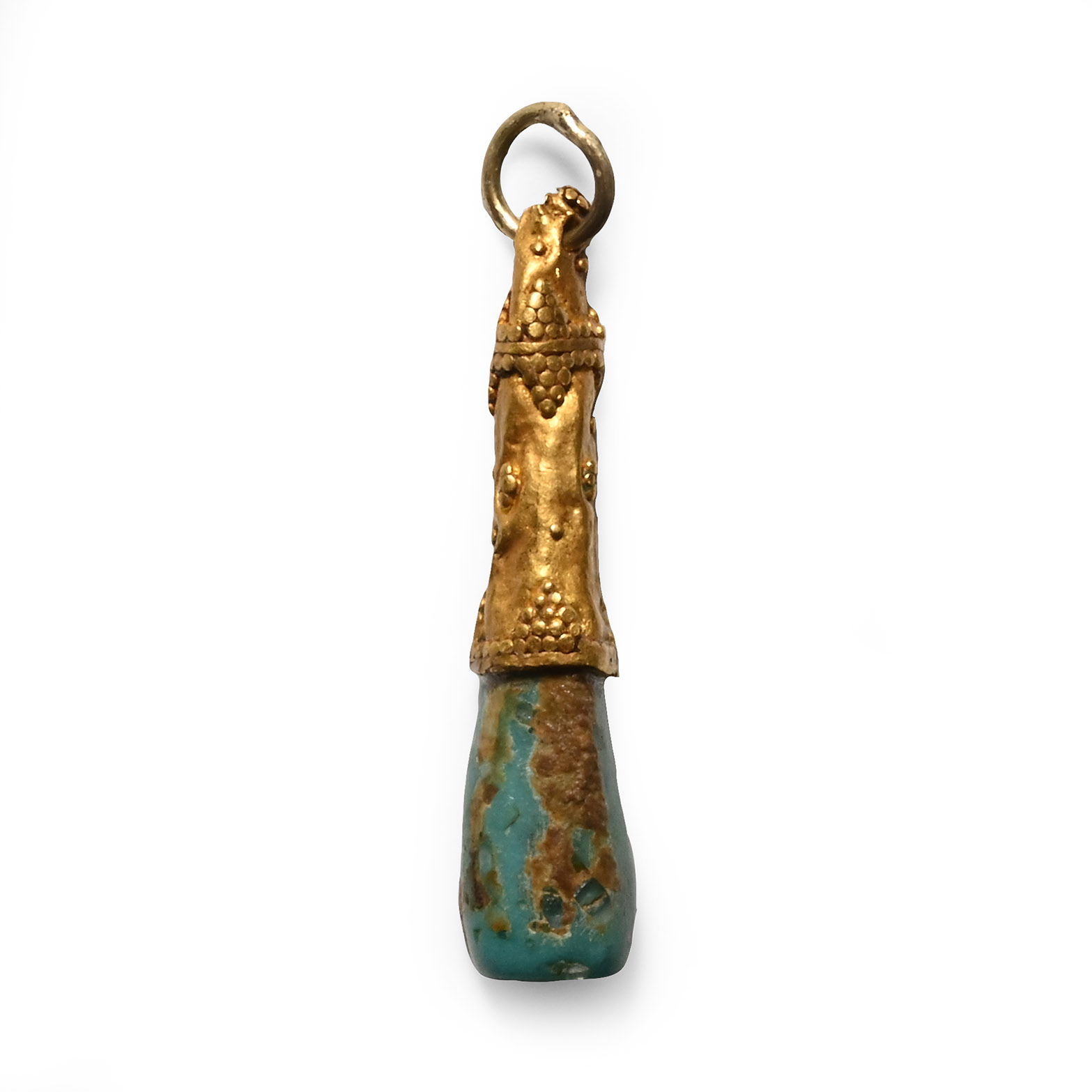
LOT 1120
Western Asiatic Club-Shaped Pendant with Turquoise
1ST MILLENNIUM B.C.
1 1/8 in. (1.24 grams, 30 mm).
Sheet gold tapering sleeve with loop and applied granule clusters, inset turquoise bead; Assyrian workmanship.
ProvenanceEx property of a late Japanese collector, 1970-2000s.
CONDITIONTimeLine Auctions follows a vetting process to ensure the authenticity and legality of all items, reinforcing our commitment to integrity and responsible trading. Each antiquity, antique, and coin lot undergoes thorough examination by a vetting committee of at least ten external specialists, professional trade association members, scientists, and archaeologists: Our Vetting Process
AUCTIONS:
TimeLine is a leading auction house specialising in antiquities, ancient art, collectables, natural history, coins, medals, and books. Our auctions offer museums, collectors, historians, and enthusiasts the opportunity to acquire unique and historically significant pieces.
-
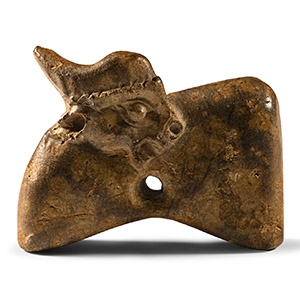
Elamite Recumbent Bull Pendant
1st millennium B.C.Estimate: £400 - 600 (+bp*)
Opening Bid: £180
Carved in the round with D-shaped body, head reversed with open mouth and domed eye, pierced at the chest. 38 grams, 50 mm
with a London, UK gallery, 1971-early 2000s. -
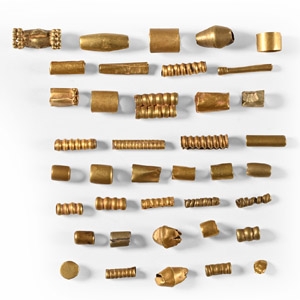
Western Asiatic Gold Bead Group
1st millennium B.C.Sold for (Inc. bp): £572
Including ribbed, annular, fusiform and other types, some with granulation. 7.63 grams total, 3-11 mm
Ex property of a late Japanese collector, 1970s-2000s. -
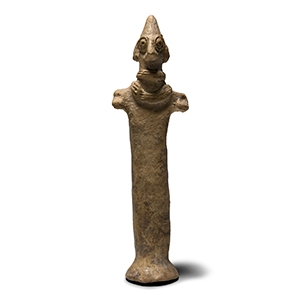
Western Asiatic Terracotta Idol
3rd-2nd millennium B.C.Sold for (Inc. bp): £1,040
Free-standing; modelled with a pinched, bird-like head and face with large applied circular eyes, two ornamental collars, stub arms and splayed foot. 43 grams, 14.1 cm high
Acquired in the 1970s. Ex European private collection.
