
Loading, please wait...
LOT 1188
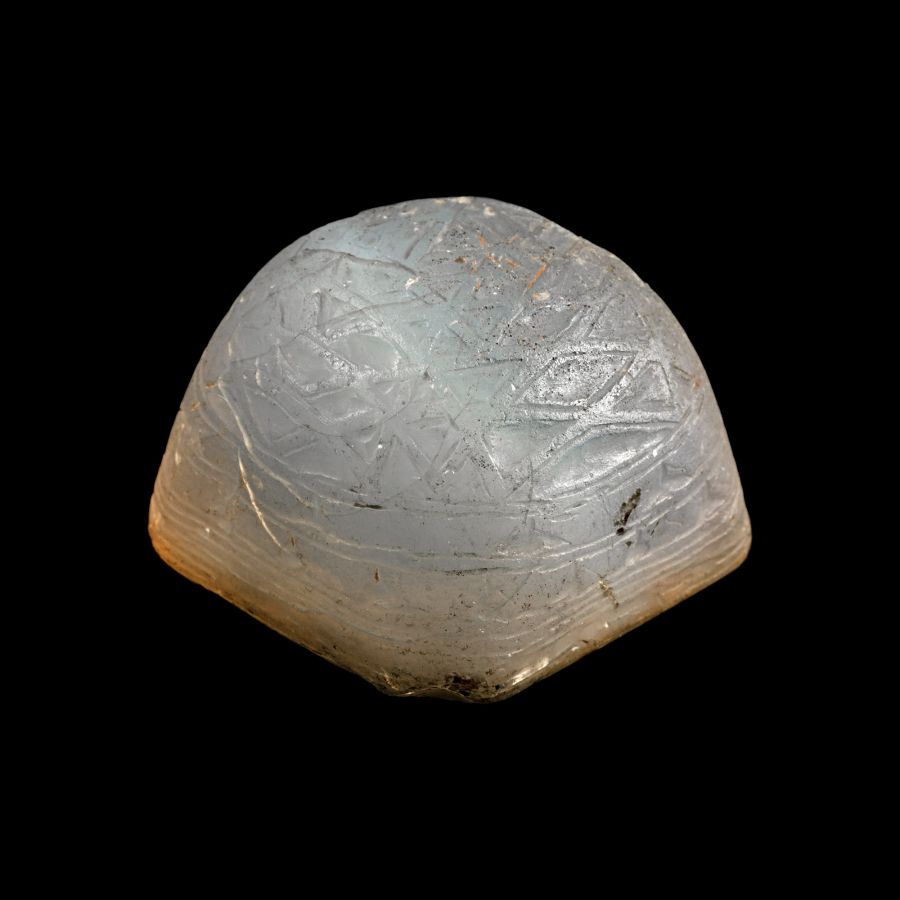
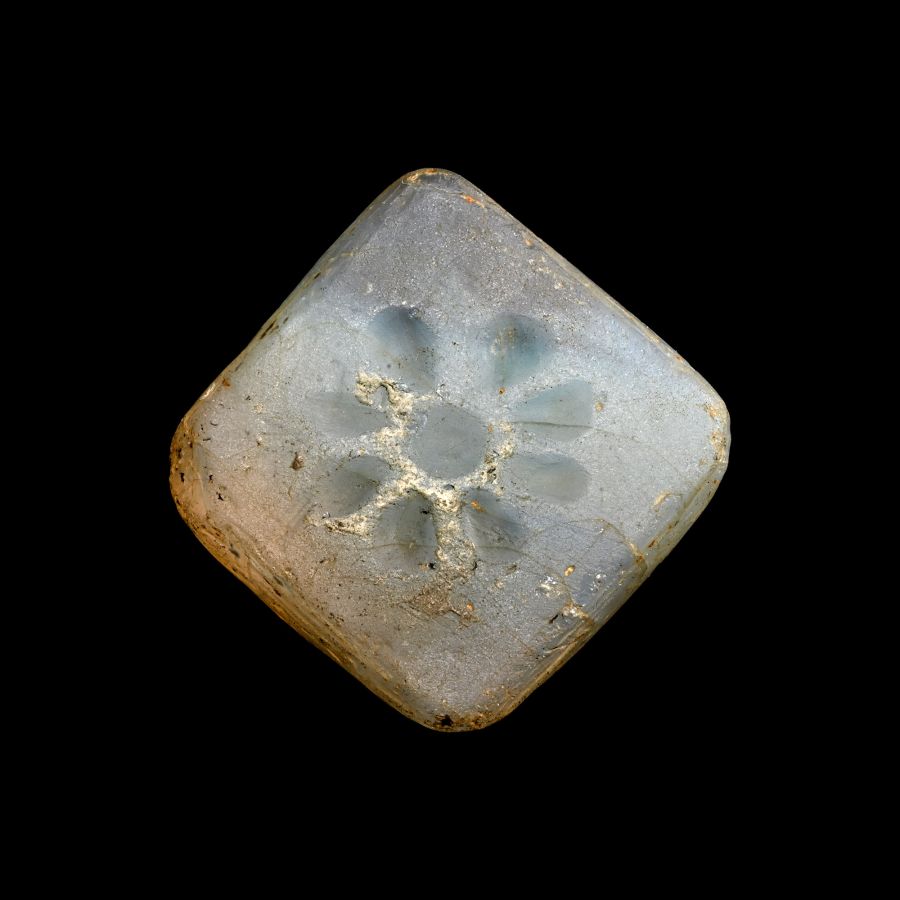
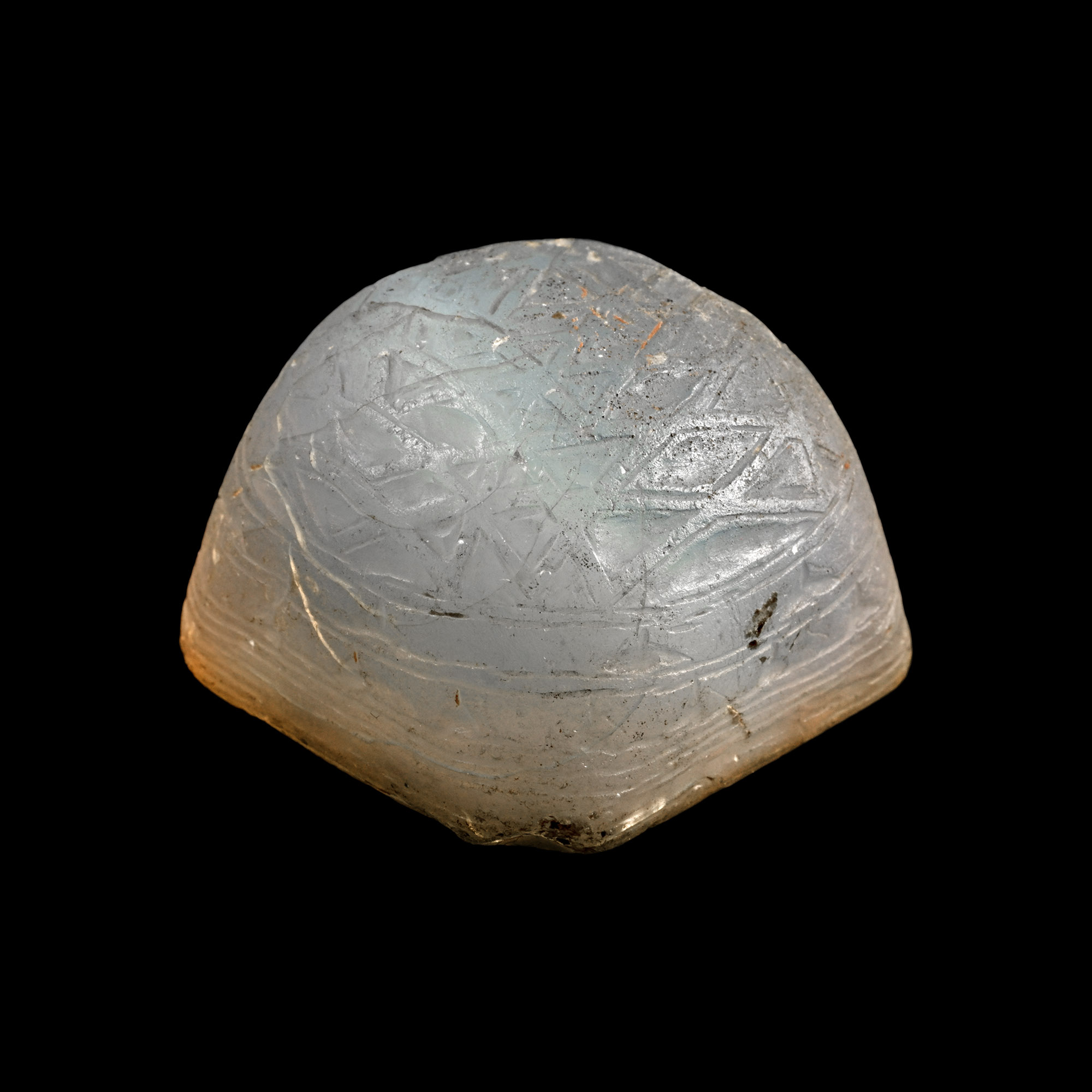
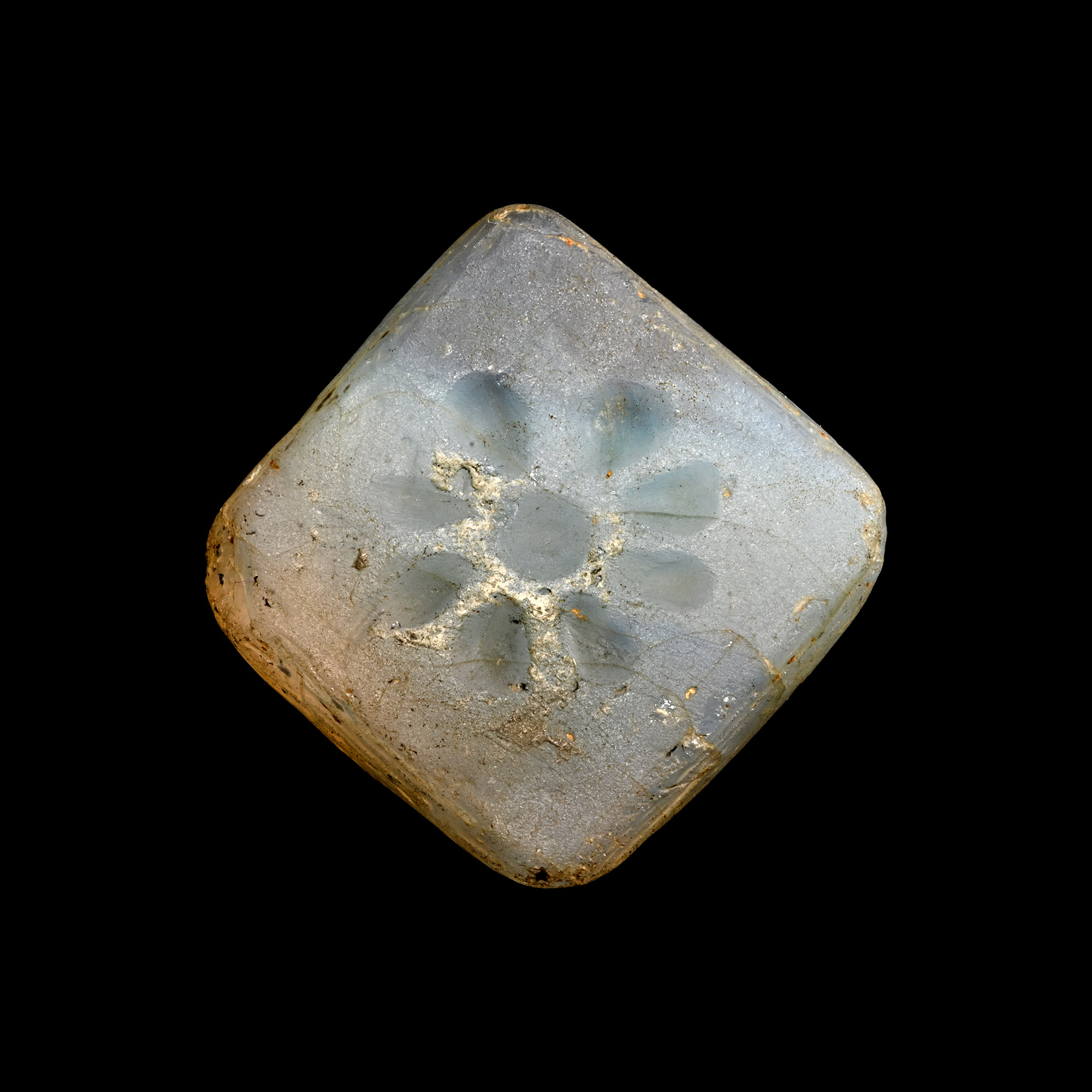
Western Asiatic Chalcedony Gaming Piece
3RD-5TH CENTURY A.D.
1 1/4 in. (39.7 grams, 31 mm).
Square in plan and plano-convex in section with tessellated triangles on the dome, horizontal grooves at the sides, incuse octofoil to the underside.
ProvenanceEx Mayfair, London, UK, collection, 1980s.
CONDITIONTimeLine Auctions follows a vetting process to ensure the authenticity and legality of all items, reinforcing our commitment to integrity and responsible trading. Each antiquity, antique, and coin lot undergoes thorough examination by a vetting committee of at least ten external specialists, professional trade association members, scientists, and archaeologists: Our Vetting Process
AUCTIONS:
TimeLine is a leading auction house specialising in antiquities, ancient art, collectables, natural history, coins, medals, and books. Our auctions offer museums, collectors, historians, and enthusiasts the opportunity to acquire unique and historically significant pieces.
LOT 1188
Western Asiatic Chalcedony Gaming Piece
Estimate £400 - 600€460 - 700 (for guidance only)$540 - 810 (for guidance only)
-
Western Asiatic Stone and Faience Cylinder Seal Group
2nd-1st millennium B.C.Sold for (Inc. bp): £585
Comprising: a faience cylinder seal with a standing figure and two opposing stags; a black stone cylinder seal with a standing figure; a hematite cylinder seal with worshipping scene; a black stone cylinder seal with contest(?) scene; a green stone cylinder seal with an ibex and two bird figures; a large fragment of a grey stone cylinder seal. 55 grams total, 19-41 mm
From the collection of a gentleman, acquired on the London art market in the 1990s. -
Mesopotamian Marble Chalice
Late 2nd-1st millennium B.C.Sold for (Inc. bp): £286
With flared foot and sturdy shank, bowl with carinated profile and everted rim. 6.47 kg, 35.2 cm
Ex Mayfair, London, UK, gallery, 2000s. -
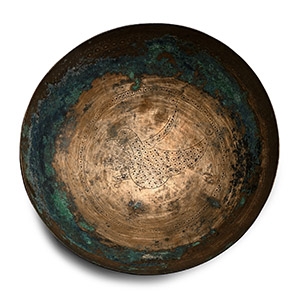
Sasanian Bronze Bowl with Bird
Circa 3rd-6th century A.D.Sold for (Inc. bp): £195
Hemispherical in profile with an incised ring enclosing a perching bird, both filled with punched ring-and-dot detailing. 134 grams, 15 cm
Ex London, UK, collection, early 2000s.
