
Loading, please wait...
LOT 1382
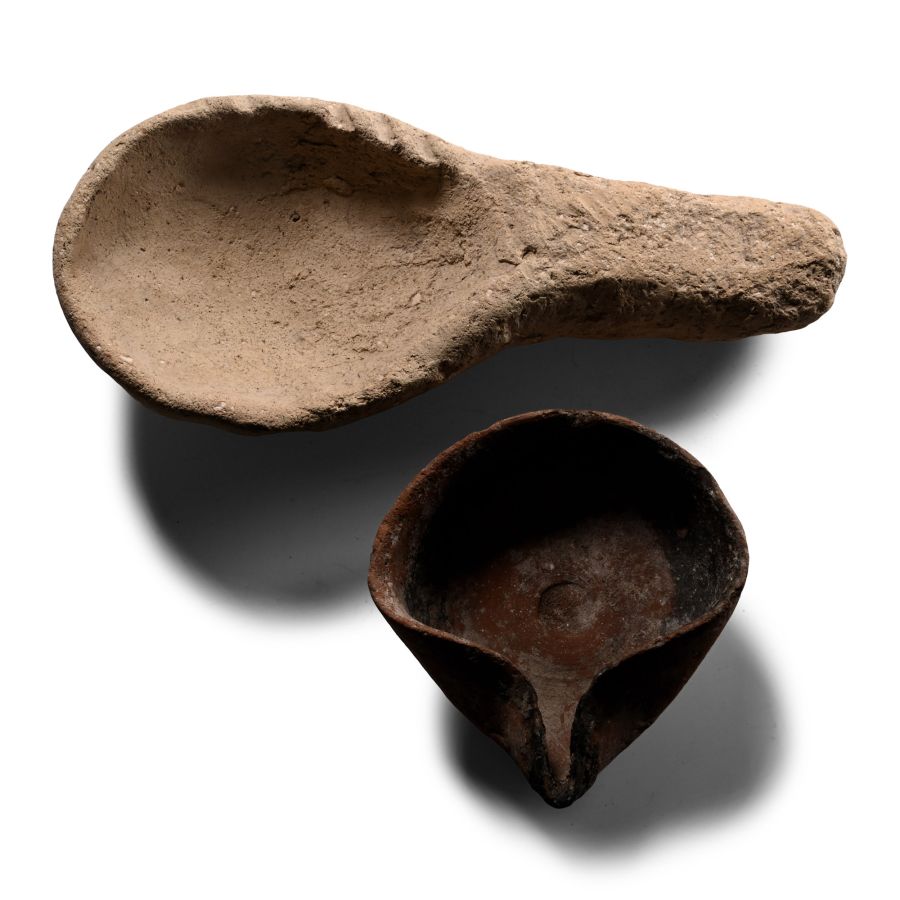
Western Asiatic Ceramic Oil Lamp and Ladle
1ST MILLENNIUM B.C.
3 - 6 1/8 in. (249 grams total, 7.7-15.7 cm).
Comprising: an oil lamp with pinched, trefoil-type spout; a coarseware ladle with deep bowl and short, thick stem. [2]
Provenancewith Galerie Rhéa, Zurich, Switzerland.
This lot has been cleared against the Art Loss Register database, and is accompanied by an illustrated lot declaration signed by the Head of the Antiquities Department, Dr Raffaele D'Amato.
TimeLine Auctions follows a vetting process to ensure the authenticity and legality of all items, reinforcing our commitment to integrity and responsible trading. Each antiquity, antique, and coin lot undergoes thorough examination by a vetting committee of at least ten external specialists, professional trade association members, scientists, and archaeologists: Our Vetting Process
AUCTIONS:
TimeLine is a leading auction house specialising in antiquities, ancient art, collectables, natural history, coins, medals, and books. Our auctions offer museums, collectors, historians, and enthusiasts the opportunity to acquire unique and historically significant pieces.
LOT 1382
Western Asiatic Ceramic Oil Lamp and Ladle
Estimate £100 - 140€120 - 160 (for guidance only)$140 - 190 (for guidance only)
-
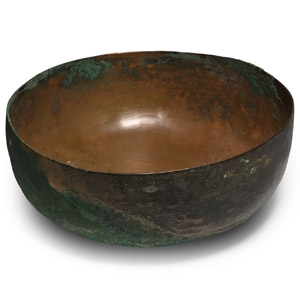
Large Western Asiatic Bronze Bowl
Circa 12th century A.D.Estimate: £150 - 200 (+bp*)
Opening Bid: £75
Raised from a single sheet with rounded base and slightly inturned walls. 427 grams, 20.5 cm
Acquired 1980-2015. Ex Abelita family collection. This lot has been cleared against the Art Loss Register database, and is accompanied by an illustrated lot declaration signed by the Head of the Antiquities Department, Dr Raffaele D'Amato. -
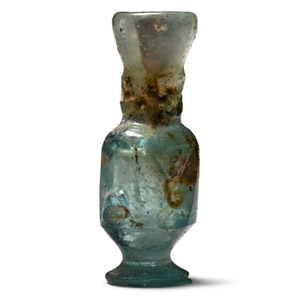
Fatimid Miniature Wheel-Cut Glass Perfume Bottle
10th-12th century A.D.Estimate: £400 - 600 (+bp*)
Opening Bid: £200
Miniature vessel with flared base, facets to the bulbous body, cup-shaped mouth. 3.86 grams, 32 mm
UK private collection before 2000. Acquired on the UK art market. Private collection, London. This lot has been cleared against the Art Loss Register database, and is accompanied by an illustrated lot declaration signed by the Head of the Antiquities Department, Dr Raffaele D'Amato. -
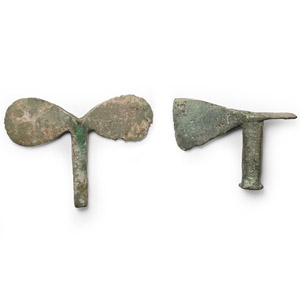
Elamite Ceremonial Axe Head Group
2nd millennium B.C.Sold for (Inc. bp): £52
Comprising: tubular shank with two lateral lobes; tubular shank with flared rim, triangular axe-head and small adze to rear. 44.3 grams total, 61-75 mm
with a London, UK gallery, 1971-early 2000s. This lot has been cleared against the Art Loss Register database, and is accompanied by an illustrated lot declaration signed by the Head of the Antiquities Department, Dr Raffaele D'Amato.
