
Loading, please wait...
LOT 0265
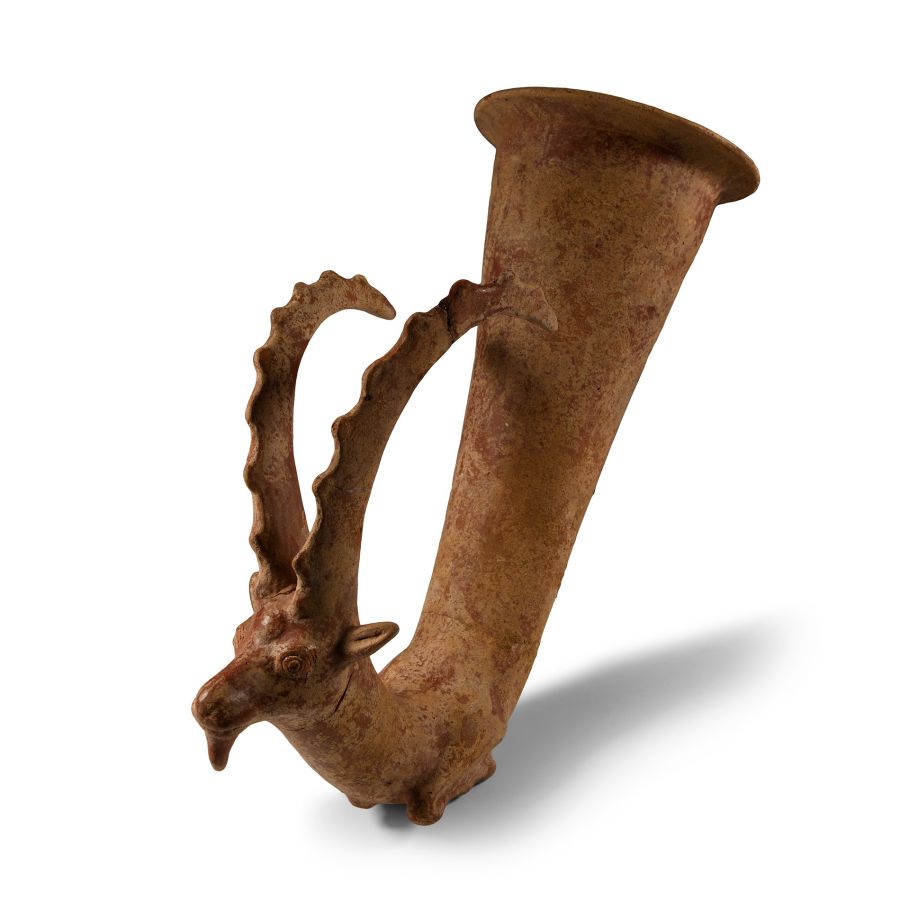
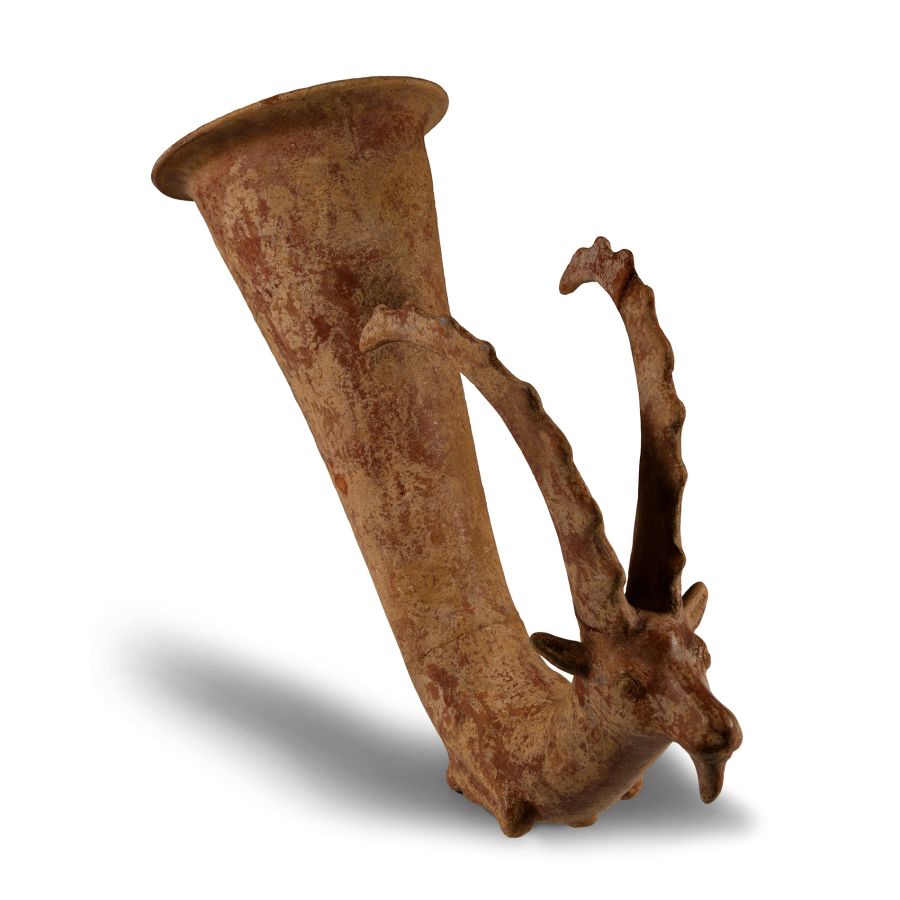
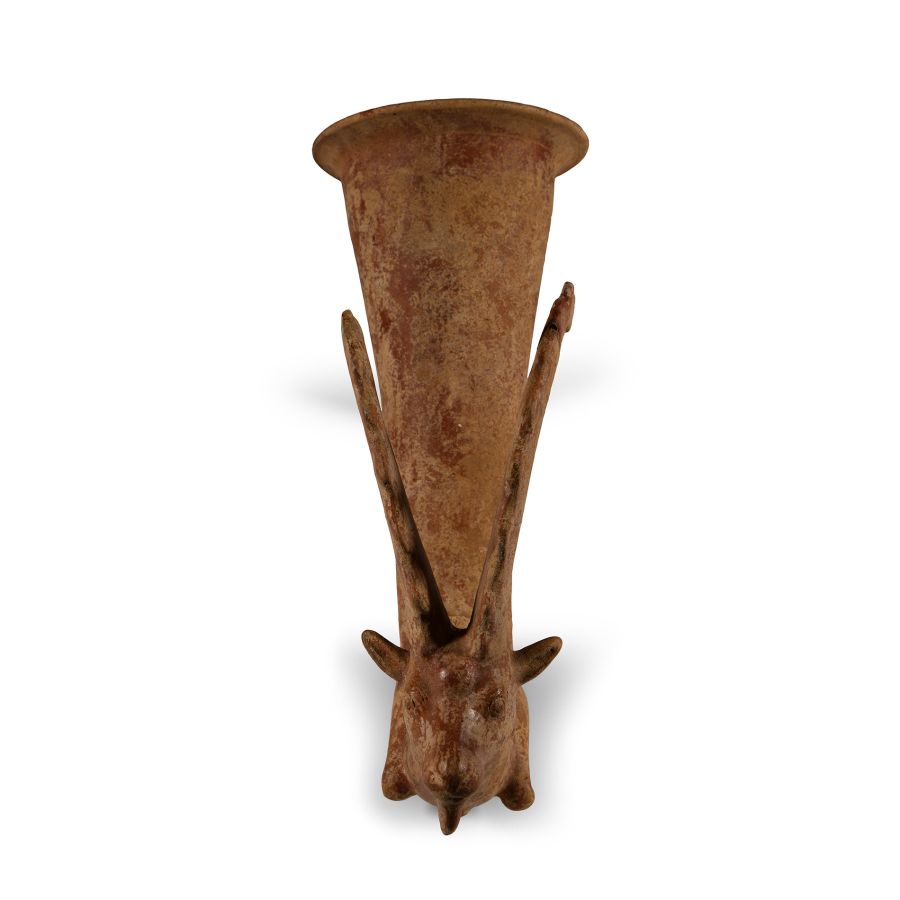
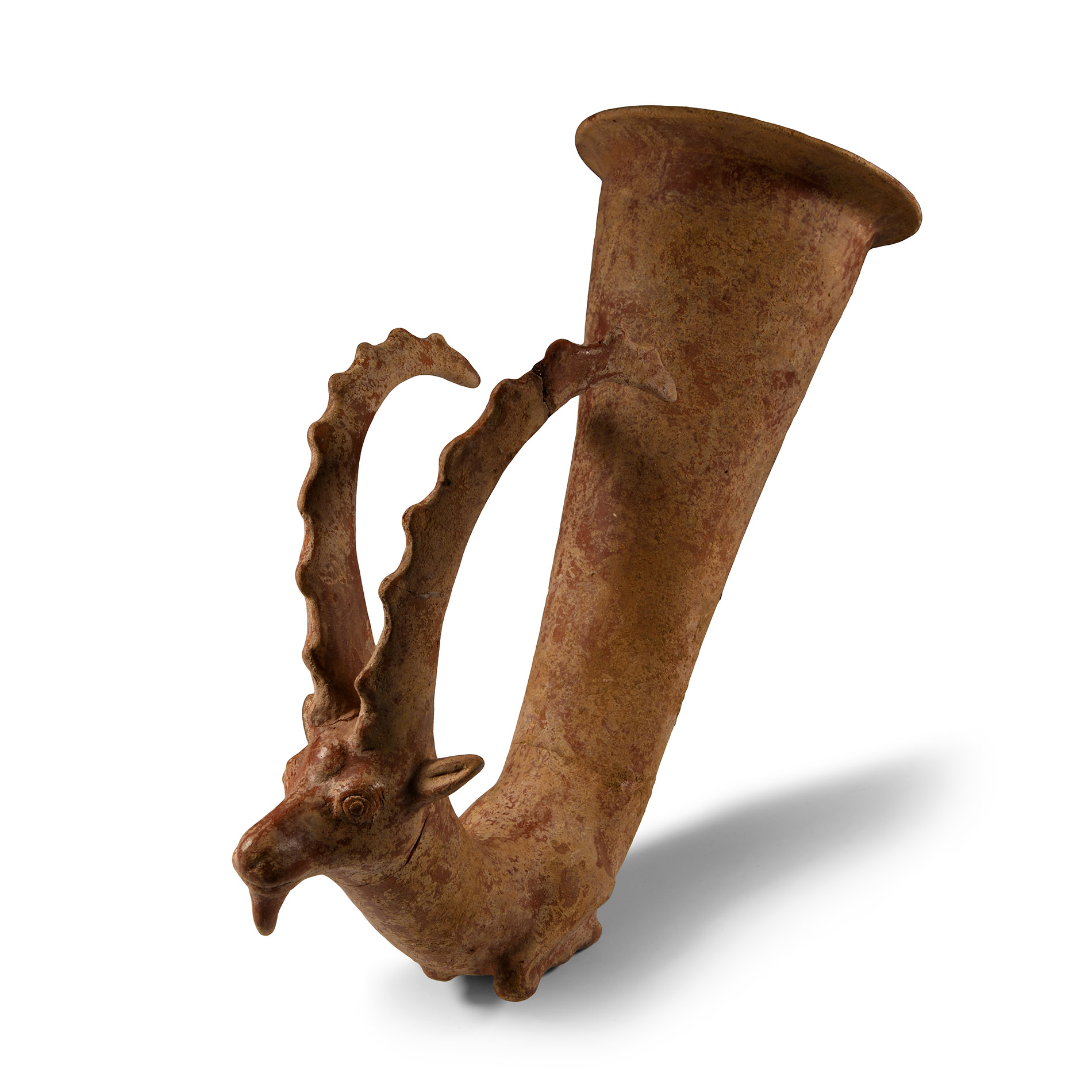
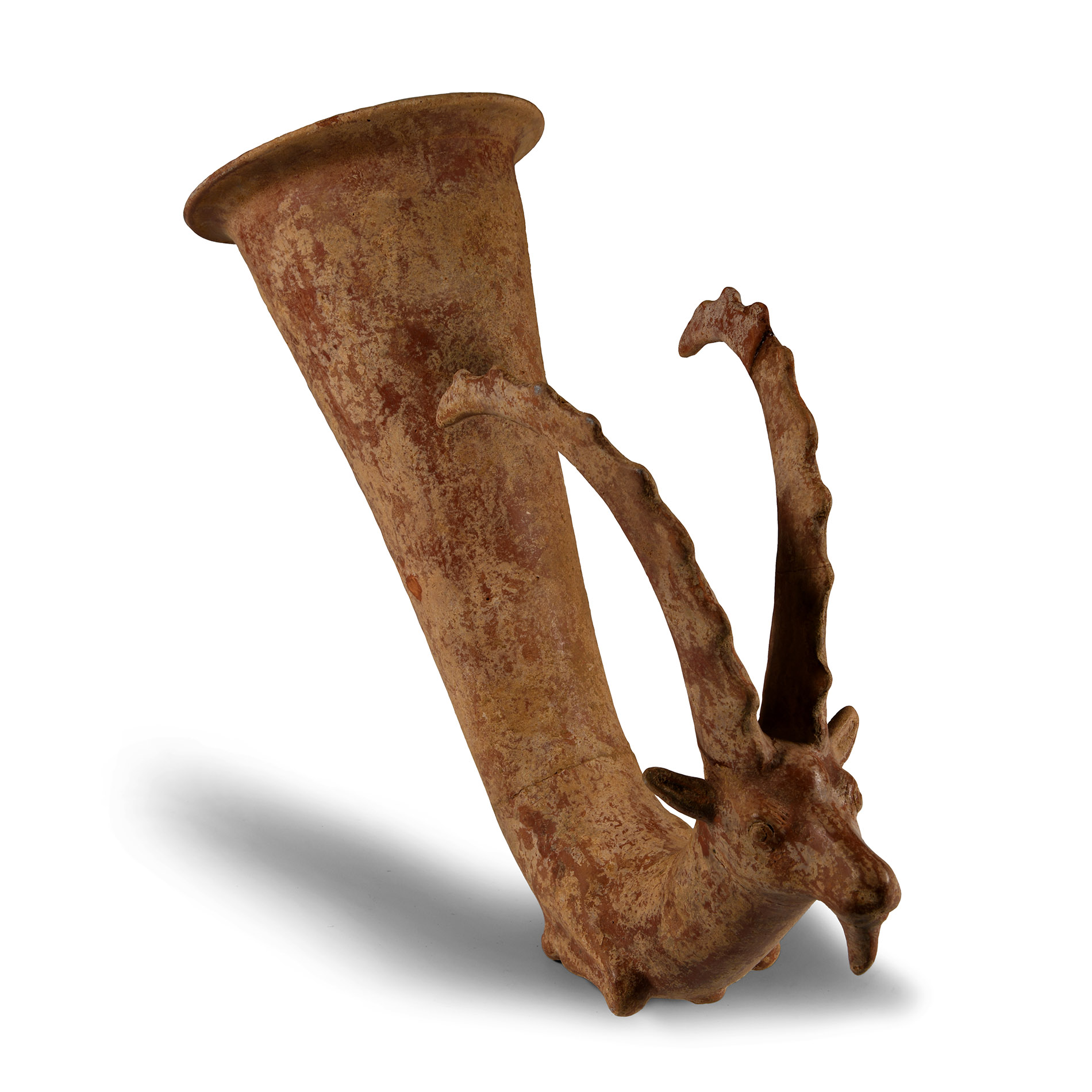
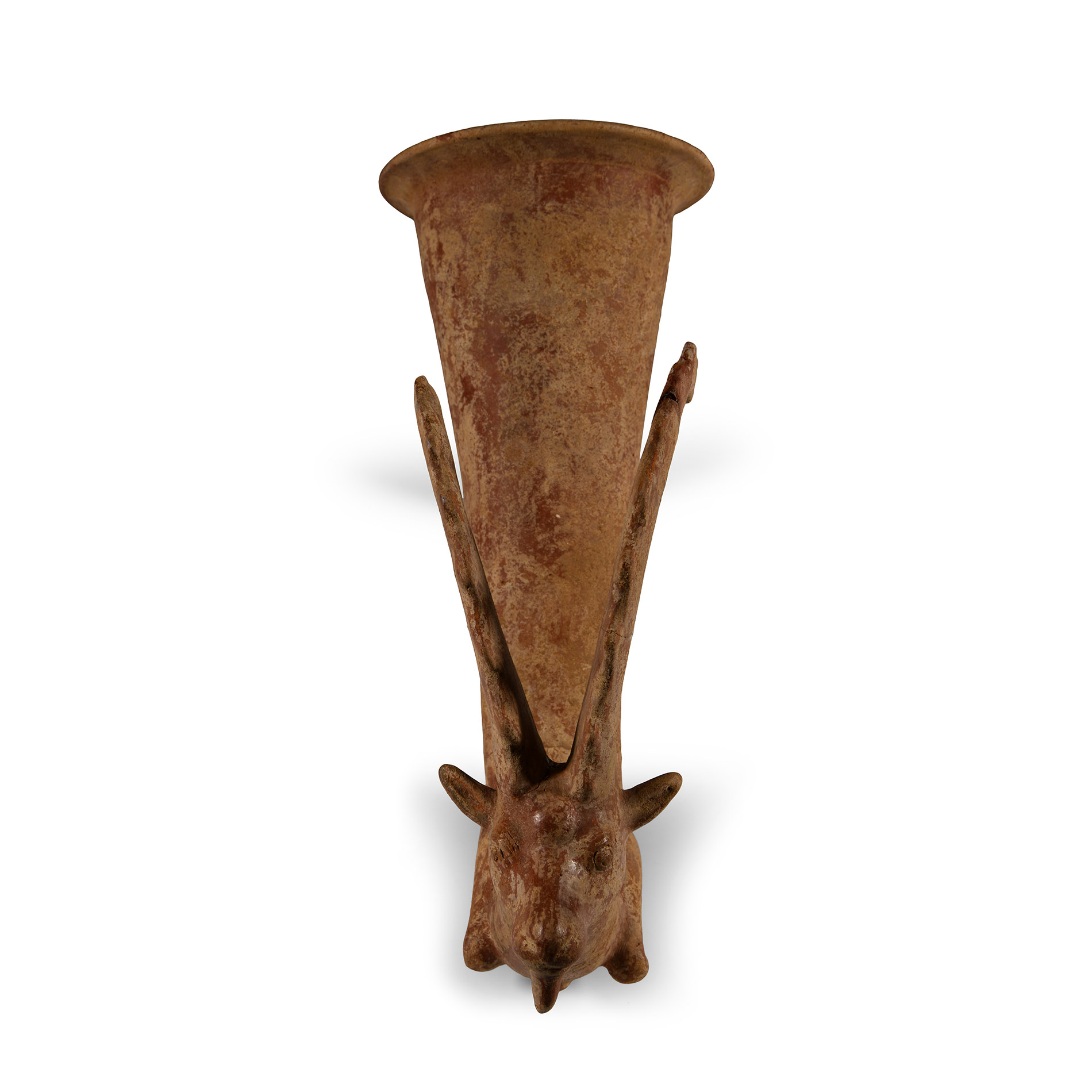
Western Asiatic Ceramic Ibex Rhyton
1ST MILLENNIUM B.C.
11 3/4 in. (803 grams, 30 cm).
With trumpet-shaped mouth, ibex-shaped finial with curved horns and legs folded beneath the body, spout to the chest; repaired.
Provenancewith a London, UK gallery 1971.
Accompanied by an original thermoluminescence analysis report and photograph by Oxford Authentication with sample no.281y94 dated 16 June 1981.
This lot has been checked against the Interpol Database of stolen works of art and is accompanied by search certificate no.12068-213298.
Cf. similar item in the British Museum under accession no.1836,0224.427.
CONDITIONTimeLine Auctions follows a vetting process to ensure the authenticity and legality of all items, reinforcing our commitment to integrity and responsible trading. Each antiquity, antique, and coin lot undergoes thorough examination by a vetting committee of at least ten external specialists, professional trade association members, scientists, and archaeologists: Our Vetting Process
AUCTIONS:
TimeLine is a leading auction house specialising in antiquities, ancient art, collectables, natural history, coins, medals, and books. Our auctions offer museums, collectors, historians, and enthusiasts the opportunity to acquire unique and historically significant pieces.
-
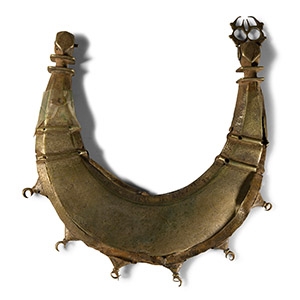
Seljuk Silver Inscribed Pectoral
11th-12th century A.D.Sold for (Inc. bp): £338
Crescent-shaped with balustered finials; openwork reverse with intricate knot and foliate design, six loops on the lower edge; the obverse with chased knot and foliate design with an inscription to the upper and lower edge. 174 grams, 17.5 cm
with a London, UK gallery 1971-early 2000s. -
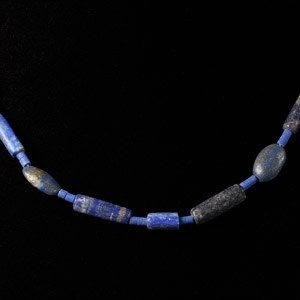
Bactrian Style Lapis Lazuli Bead Necklace
20th century A.D.Sold for (Inc. bp): £26
Comprising tubular and fusiform lapis lazuli beads. 30 grams, 58 cm long
Acquired 1980-2015. Ex Abelita family collection. -
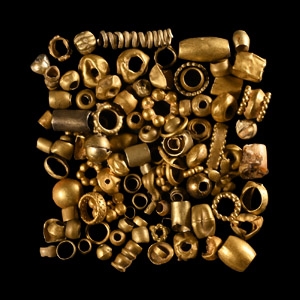
Western Asiatic Gold Bead Group
2nd-1st millennium B.C.Sold for (Inc. bp): £1,170
Mixed group of tubular and other beads, coils, end-caps and other items. 10.03 grams total, 1-11 mm
From a late Japanese specialist collector, 1970-2000s.
