
Loading, please wait...
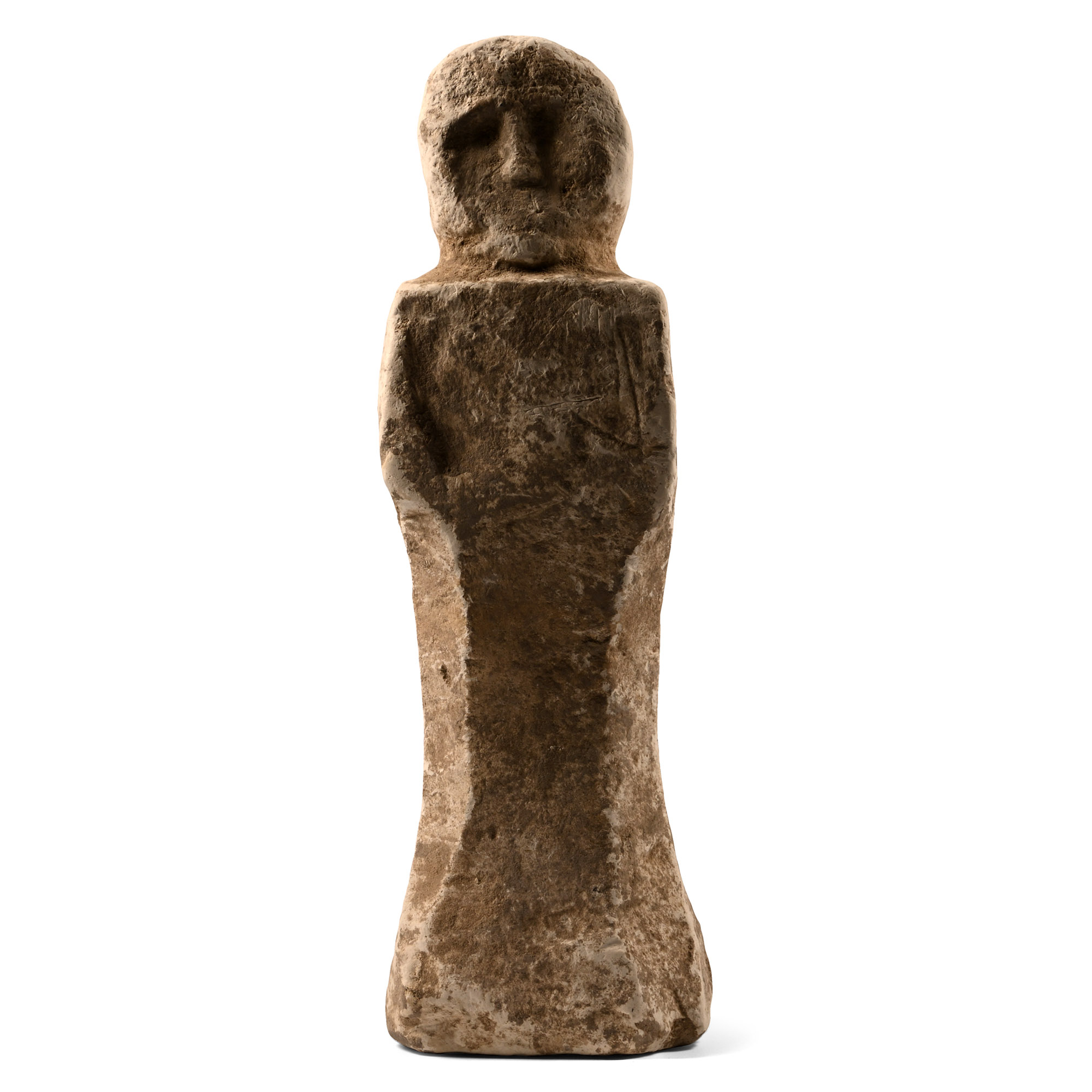
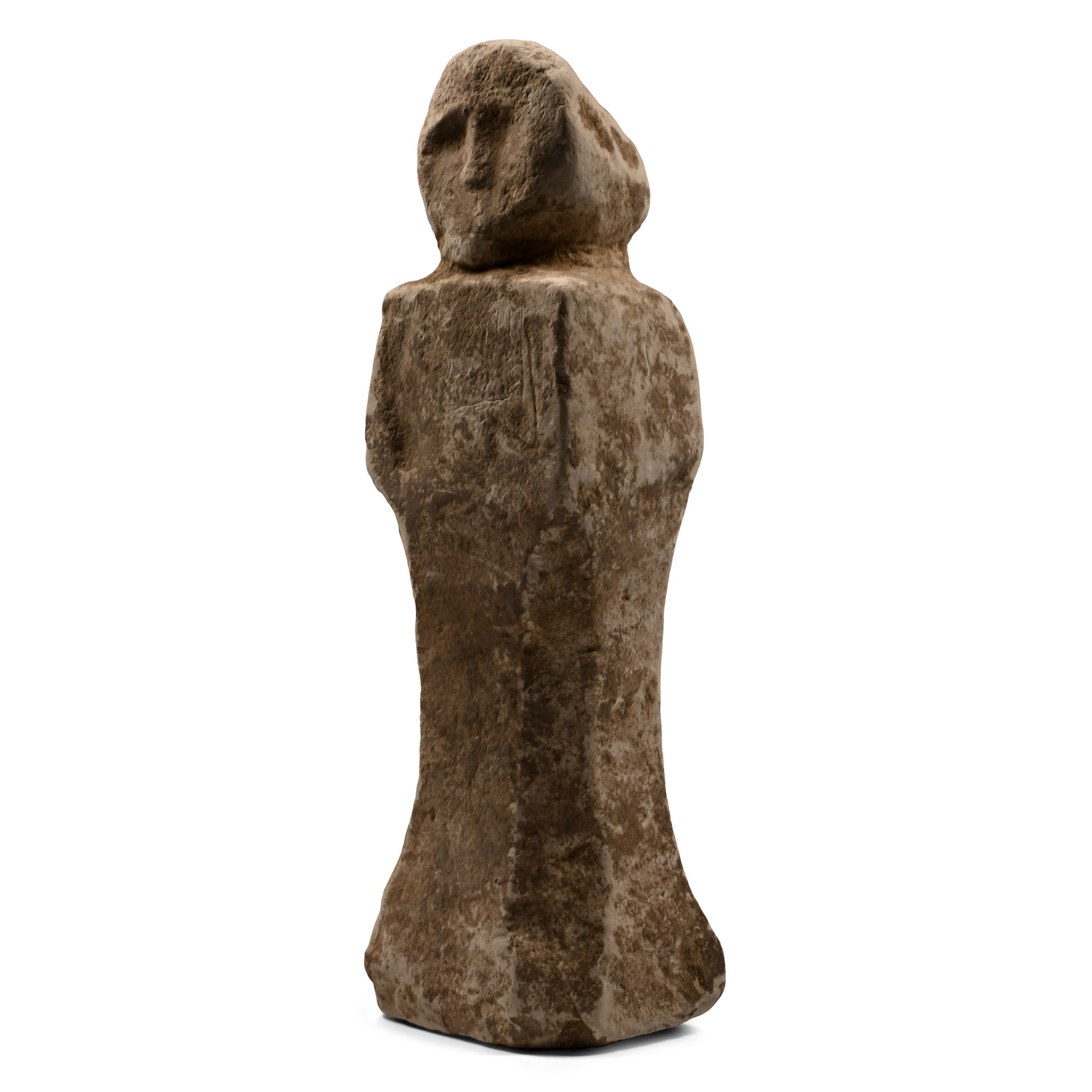
LOT 1134
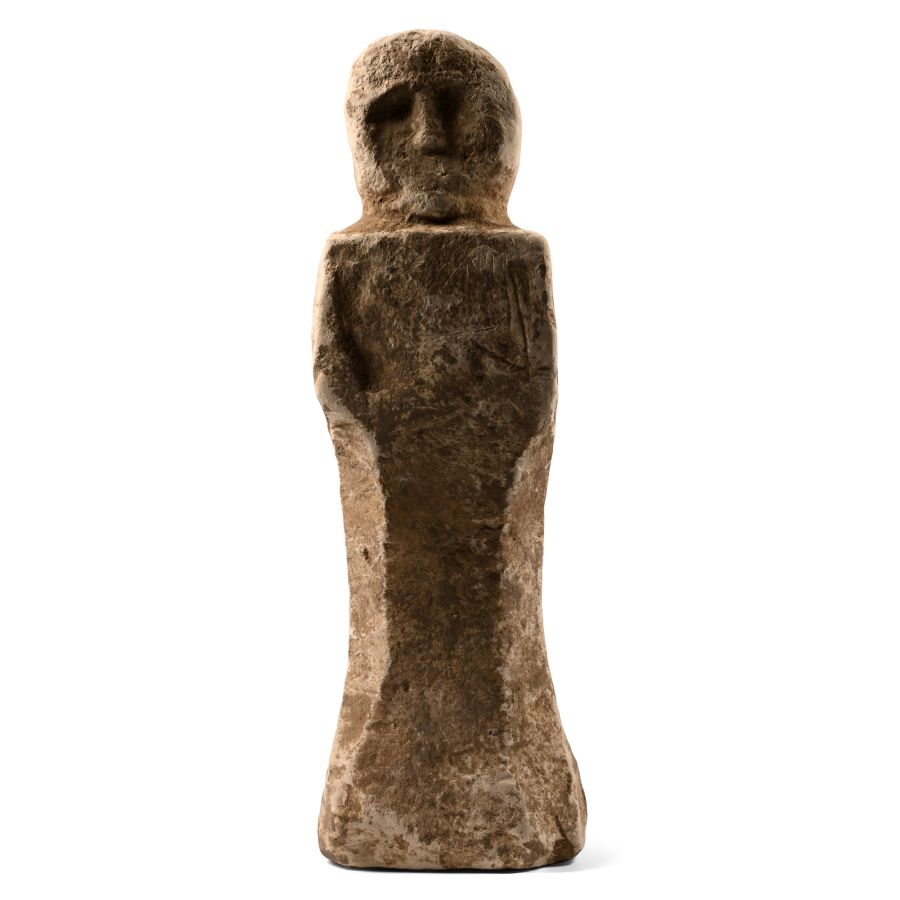
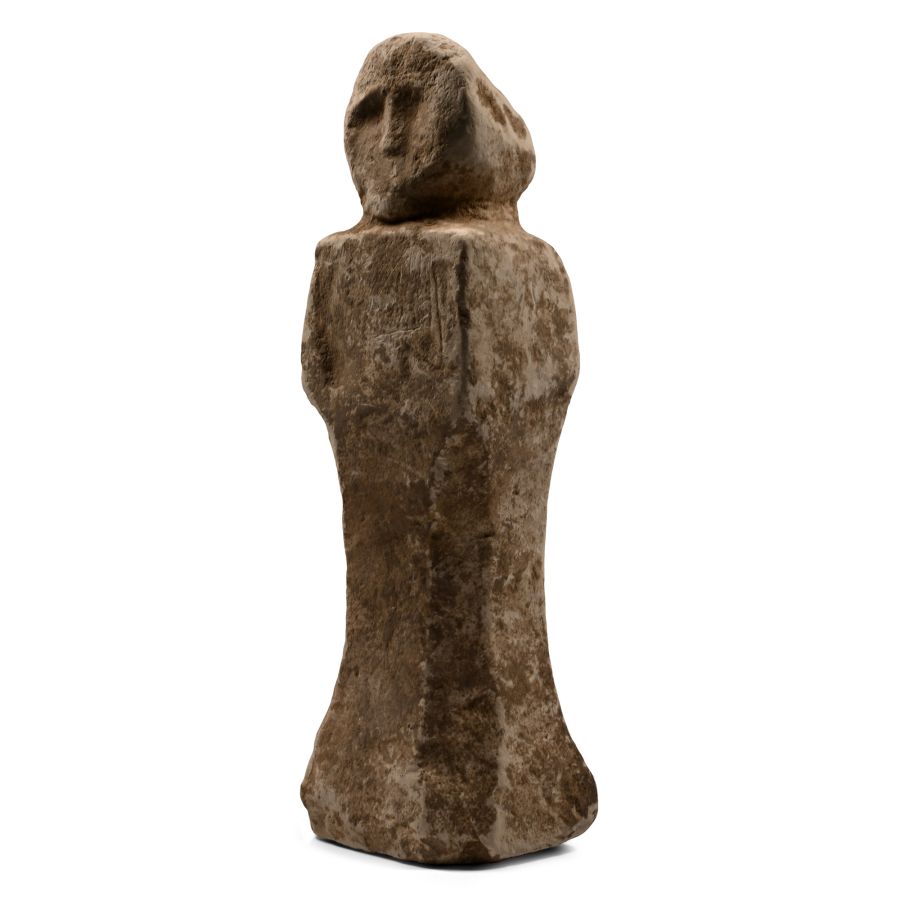
Western Asiatic Calcite Fertility Type Figure
1ST MILLENNIUM B.C.
9 in. (808 grams, 23 cm).
Rectangular in section with scooped flanges to the lower body, polyhedral head with low-relief facial detailing.
ProvenanceEx collection of the late S.M., London, UK, 1970-1990s.
This lot has been cleared against the Art Loss Register database, and is accompanied by an illustrated lot declaration signed by the Head of the Antiquities Department, Dr Raffaele D'Amato.
TimeLine Auctions follows a vetting process to ensure the authenticity and legality of all items, reinforcing our commitment to integrity and responsible trading. Each antiquity, antique, and coin lot undergoes thorough examination by a vetting committee of at least ten external specialists, professional trade association members, scientists, and archaeologists: Our Vetting Process
AUCTIONS:
TimeLine is a leading auction house specialising in antiquities, ancient art, collectables, natural history, coins, medals, and books. Our auctions offer museums, collectors, historians, and enthusiasts the opportunity to acquire unique and historically significant pieces.
-
.jpg)
Bactrian Chlorite Bowl with Lions
3rd millennium B.C.Estimate: £3,500 - 4,500 (+bp*)
Opening Bid: £1,750
Drum-shaped vessel with reserved frieze to the outer face: two lions advancing towards an ibex with head bowed; shallow socket to each of the eyes to accept an inlay panel. 381 grams, 10.4 cm wide
Acquired before 1983. Ex London gallery, 1990s. This lot has been checked against the Interpol Database of stolen works of art and is accompanied by a search certificate number no.12706-236260. This lot has been cleared against the Art Loss Register database, and is accompanied by an illustrated lot declaration signed by the Head of the Antiquities Department, Dr Raffaele D'Amato. -
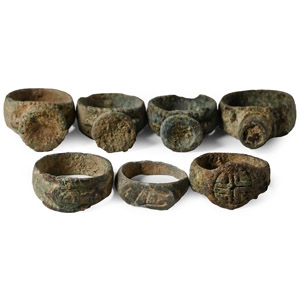
Western Asiatic Bronze Ring Group
Late 1st millennium B.C.Sold for (Inc. bp): £104
Including barrel-shaped and other types with flat bezel, trumpet-bezel and other types. 47 grams total, 22 - 24 mm
Acquired in the 1990s. Ex Abelita family collection. This lot has been cleared against the Art Loss Register database, and is accompanied by an illustrated lot declaration signed by the Head of the Antiquities Department, Dr Raffaele D'Amato. -
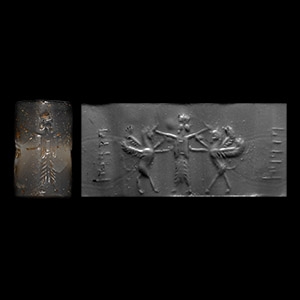
Mesopotamian Banded Agate Cylinder Seal with Gryphons and God
2nd-1st millennium B.C.Sold for (Inc. bp): £780
With combat scene depicting two rearing gryphons flanking a standing bearded figure; supplied with a museum-quality impression. 5.43 grams, 20.53 mm
From the 'S' collection, acquired 1970-1990s. The collection was seen and studied by W.G. Lambert, late Professor of Assyriology at the University of Birmingham, 1970-1993.) This lot has been cleared against the Art Loss Register database, and is accompanied by an illustrated lot declaration signed by the Head of the Antiquities Department, Dr Raffaele D'Amato.
