
Loading, please wait...
LOT 1006
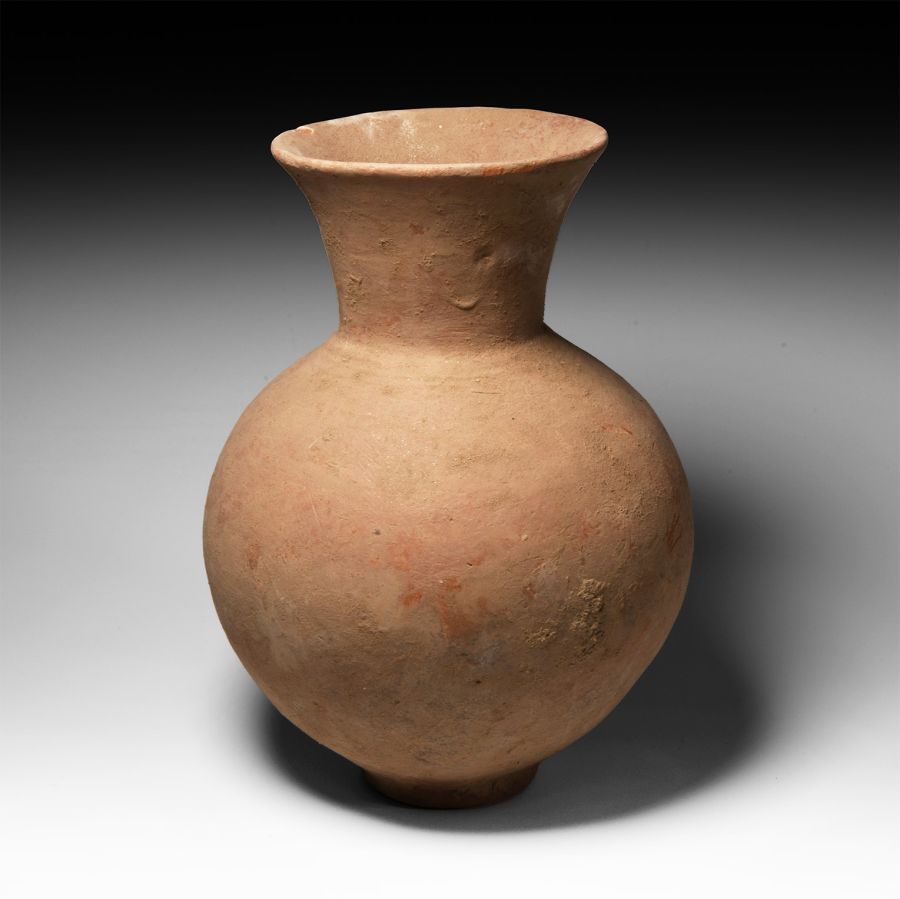
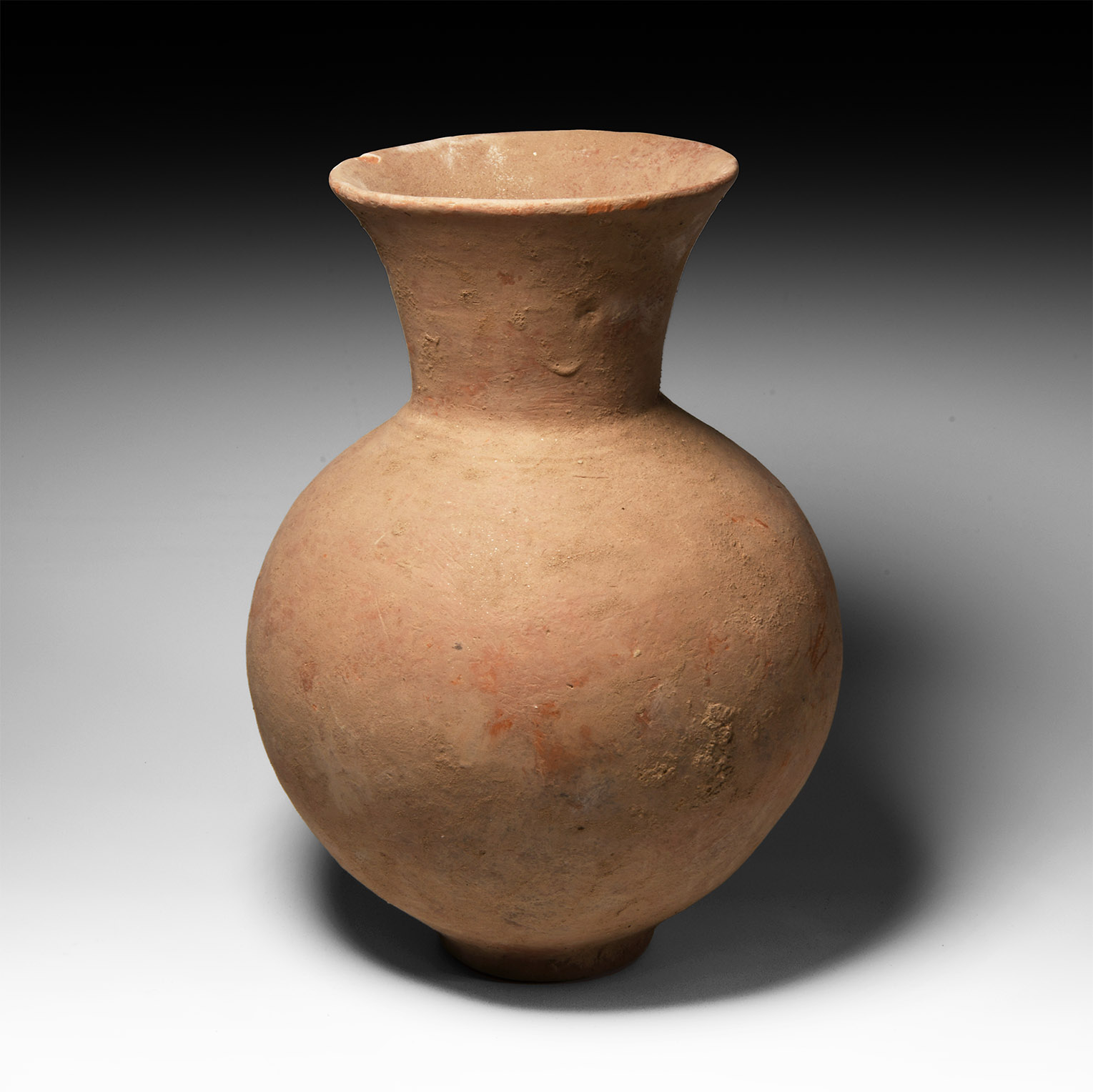
Western Asiatic Bulbous Vase
2ND-1ST MILLENNIUM B.C.
9 in. (1.1 kg, 23 cm high).
With trumpet-style neck and rim and integral foot.
ProvenanceAcquired 1980-2015.
Ex Abelita family collection.
TimeLine Auctions follows a vetting process to ensure the authenticity and legality of all items, reinforcing our commitment to integrity and responsible trading. Each antiquity, antique, and coin lot undergoes thorough examination by a vetting committee of at least ten external specialists, professional trade association members, scientists, and archaeologists: Our Vetting Process
AUCTIONS:
TimeLine is a leading auction house specialising in antiquities, ancient art, collectables, natural history, coins, medals, and books. Our auctions offer museums, collectors, historians, and enthusiasts the opportunity to acquire unique and historically significant pieces.
LOT 1006
Western Asiatic Bulbous Vase
Estimate £180 - 240€210 - 280 (for guidance only)$240 - 320 (for guidance only)
-
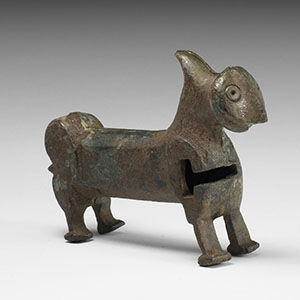
Western Asiatic Bronze Lion Padlock
Circa 13th-14th century A.D.Estimate: £120 - 170 (+bp*)
Opening Bid: £48
Standing with open mouth and engraved annular eyes; voids to the chest and rump, triangular tab and hole to the rear of the head, hasp absent. 71.7 grams, 70 mm
Very fine condition.
Acquired on the European art market in the 1990s. Ex property of a Suffolk collector. -
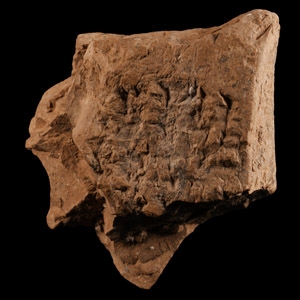
Babylonian Ceramic Cuneiform Tablet Fragment
Circa 2nd millennium B.C.Sold for (Inc. bp): £98
Of irregular form, bearing text to one face. 11 grams, 3.5 cm
Specialised collection of cuneiform texts, the property of a London gentleman and housed in London before 1992. Thence by descent to family members. -
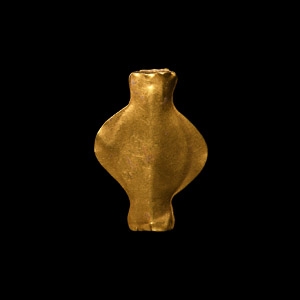
Western Asiatic Gold Butterfly Bead
2nd-1st millennium B.C.Sold for (Inc. bp): £676
Of hollow construction with two sub-triangular flanges flanking a tubular loop. 5.16 grams, 35 mm
Fine condition.
Acquired 1970-2010. Collection of a late Japanese gentleman.
