
Loading, please wait...
LOT 1107
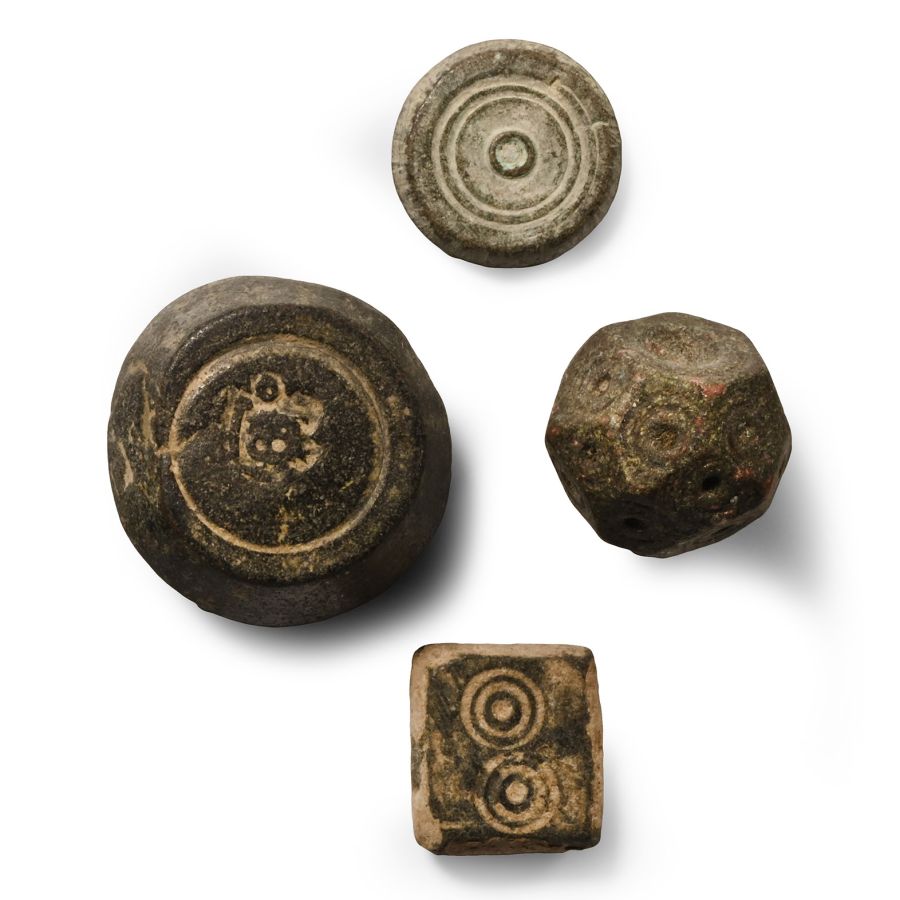
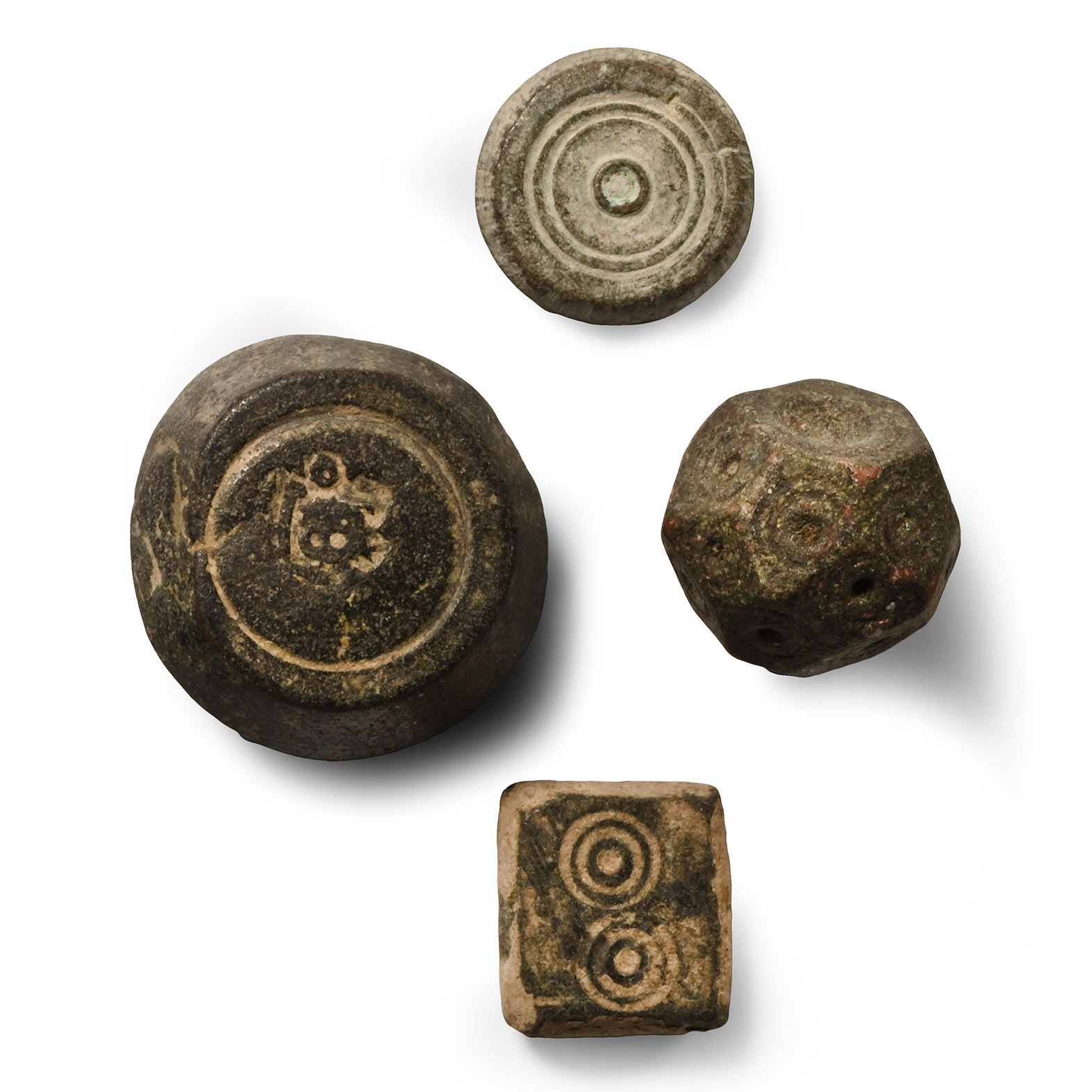
Western Asiatic Bronze Weight Collection
CIRCA 8TH-12TH CENTURY A.D.
1/2 - 7/8 in. (55 grams total, 13-22 mm).
Including tabular, polyhedral, rectangular and a barrel-shaped one; all with impressed markings. [4, No Reserve]
ProvenanceFrom the property of late Mr SM, London, UK, 1969-1999.
CONDITIONTimeLine Auctions follows a vetting process to ensure the authenticity and legality of all items, reinforcing our commitment to integrity and responsible trading. Each antiquity, antique, and coin lot undergoes thorough examination by a vetting committee of at least ten external specialists, professional trade association members, scientists, and archaeologists: Our Vetting Process
AUCTIONS:
TimeLine is a leading auction house specialising in antiquities, ancient art, collectables, natural history, coins, medals, and books. Our auctions offer museums, collectors, historians, and enthusiasts the opportunity to acquire unique and historically significant pieces.
-
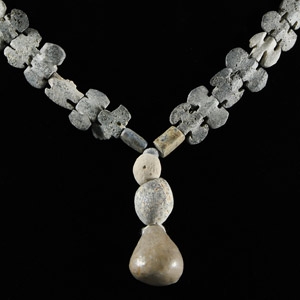
Mesopotamian Hardstone Bead Necklace with Butterfly Beads
4th millennium B.C.Sold for (Inc. bp): £130
Restrung with butterfly-shaped beads, oblate and tubular spacers, teardrop dangle. 27 grams, 31.5 cm
Acquired 1980-2015. Ex Abelita family collection. -
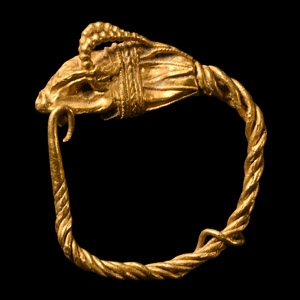
Achaemenid Gold Ram Earring
4th-3rd century B.C.Sold for (Inc. bp): £169
The shank formed from a group of twisted rods developing to a hollow-formed conical bulb with ram's head finial; applied filigree detailing, beaded wire horns, hook closure. 2.18 grams, 22 mm
From the H.N. collection, Milton Keynes, Berkshire, UK, 1990s. -
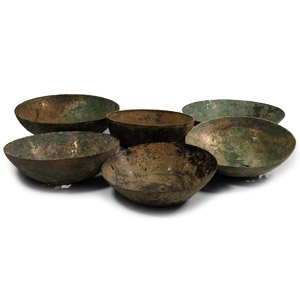
Neo-Assyrian Bronze Bowl Group
9th-7th century B.C.Sold for (Inc. bp): £247
Comprising six low-profile utility bowls with gently sloping walls, some damaged. 1.25 kg total, 15.5-20 cm wide
Ex London, UK, collection, 1990s.
