
Loading, please wait...

LOT 1078
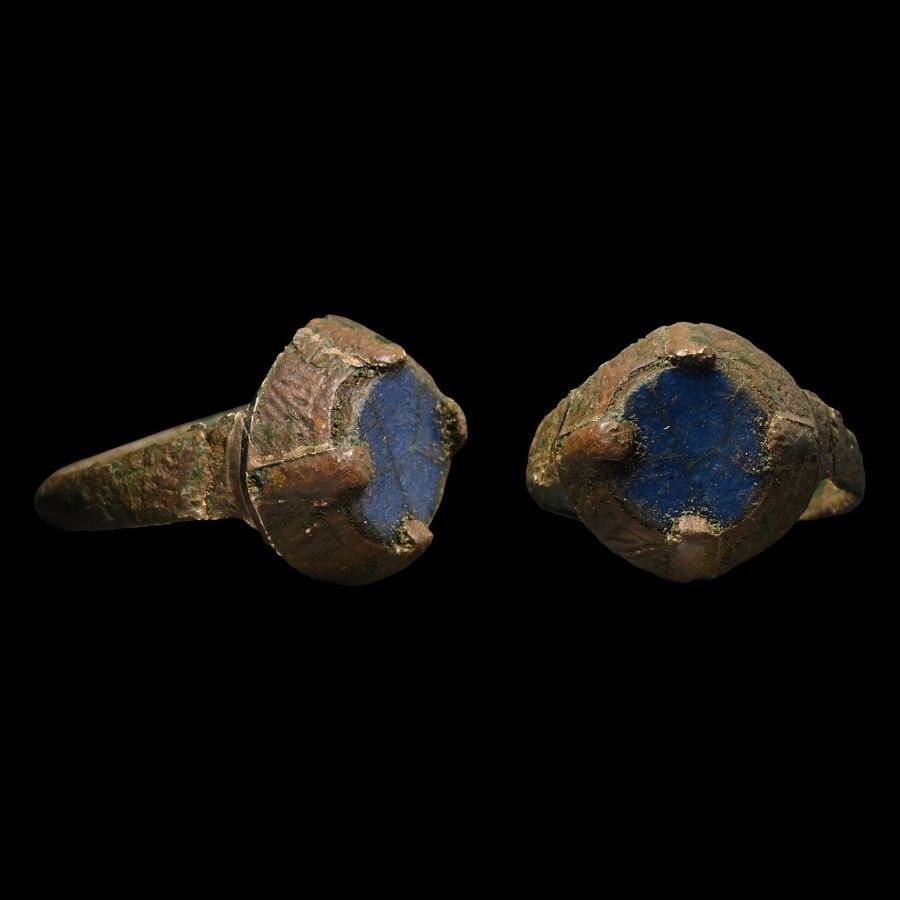
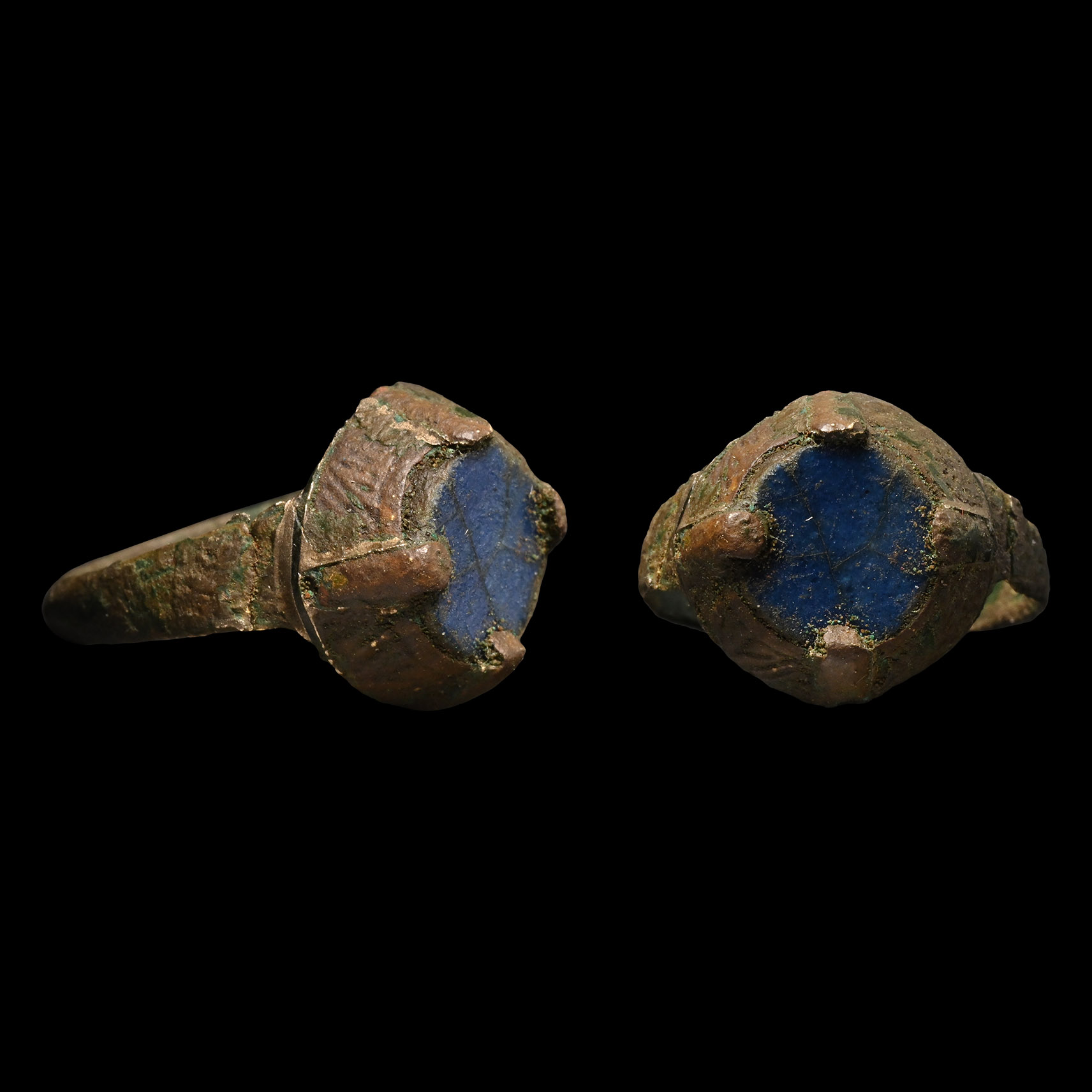
Western Asiatic Bronze Ring with Blue Glass Gemstone
14TH-16TH CENTURY A.D.
1 in. (2.94 grams, 23.66 mm overall, 16.52 mm internal diameter (approximate size British M, USA 6, Europe 12.46, Japan 12)).
With a slender hoop supporting a raised conical bezel set with a dark blue glass intaglio. [No Reserve]
ProvenancePrivate collection formed since the 1940s.
UK art market.
Property of an Essex, UK, gentleman.
TimeLine Auctions follows a vetting process to ensure the authenticity and legality of all items, reinforcing our commitment to integrity and responsible trading. Each antiquity, antique, and coin lot undergoes thorough examination by a vetting committee of at least ten external specialists, professional trade association members, scientists, and archaeologists: Our Vetting Process
AUCTIONS:
TimeLine is a leading auction house specialising in antiquities, ancient art, collectables, natural history, coins, medals, and books. Our auctions offer museums, collectors, historians, and enthusiasts the opportunity to acquire unique and historically significant pieces.
-
Western Asiatic Bronze Leaping Horned and Winged Lion
Mid 1st millennium B.C.Estimate: £180 - 240 (+bp*)
Opening Bid: £90
With small wings and curved horns; possibly Kushan. 160 grams, 11.8 cm
Fair condition, one wing chipped.
London collection since the 1980s. Property of a Canadian family. -
Old Babylonian Carnelian Frog Amulet on Gold Earring
20th-16th century B.C.Estimate: £1,200 - 1,700 (‡+bp*)
Opening Bid: £667
The frog modelled in the round, pierced at the middle and mounted on an asymmetrical gold hoop, possibly a marriage. 2.45 grams, 29.30 mm
Ex K.J. collection. Acquired on the North American art market, 1999. European private collection. -
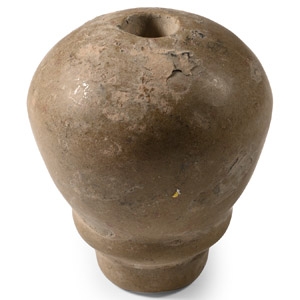
Western Asiatic Stone Macehead
2nd millennium B.C.Sold for (Inc. bp): £182
Tubular in form with tapering profile and collar above the socket. 455 grams, 82 mm
Ex London, UK, gentleman's collection, 1990s.
