
Loading, please wait...
LOT 1259
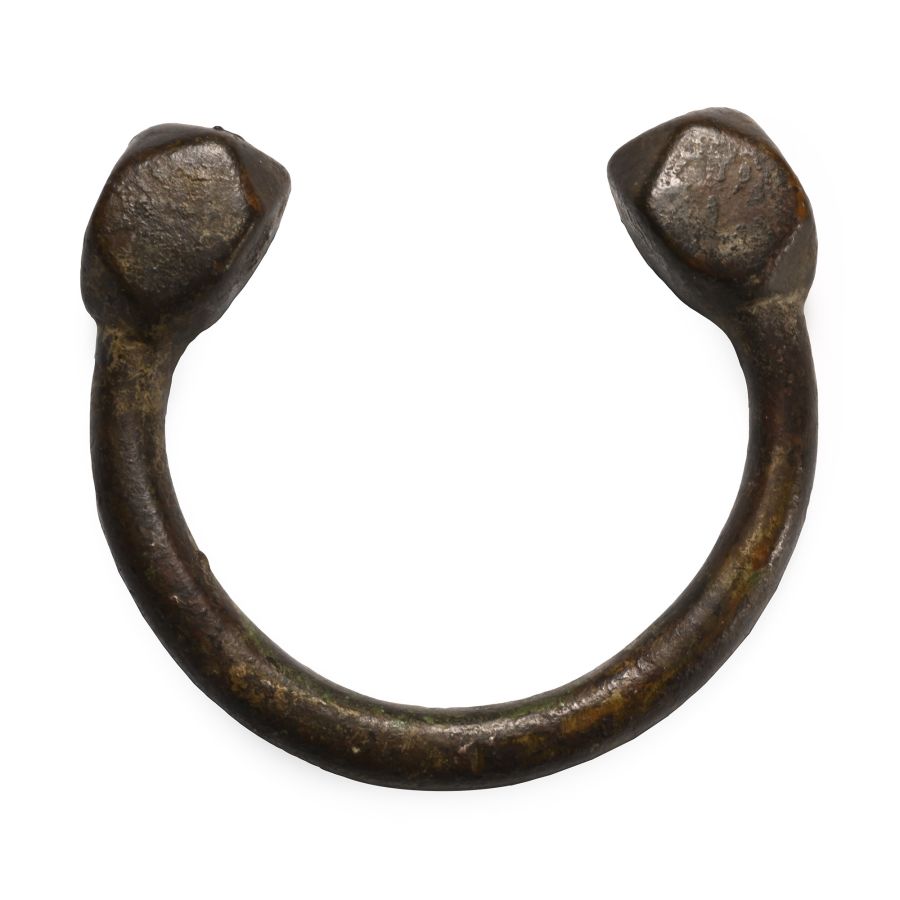
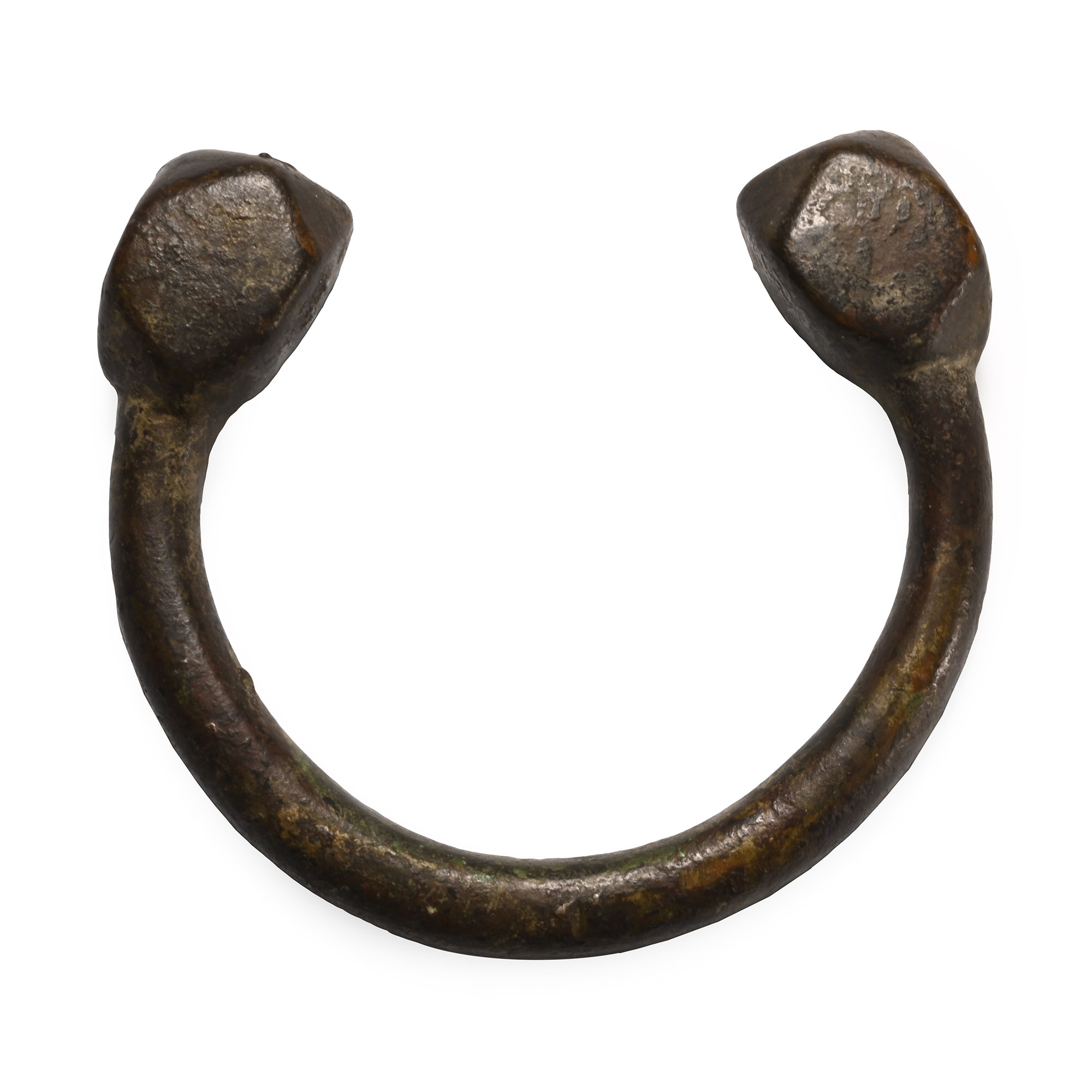
Western Asiatic Bronze Bracelet
10TH-14TH CENTURY A.D.
3 3/8 in. (224 grams, 85 mm).
Penannular in form with large polyhedral terminals.
ProvenanceAcquired before 1978.
Private collection, UK.
This lot has been cleared against the Art Loss Register database, and is accompanied by an illustrated lot declaration signed by the Head of the Antiquities Department, Dr Raffaele D'Amato.
TimeLine Auctions follows a vetting process to ensure the authenticity and legality of all items, reinforcing our commitment to integrity and responsible trading. Each antiquity, antique, and coin lot undergoes thorough examination by a vetting committee of at least ten external specialists, professional trade association members, scientists, and archaeologists: Our Vetting Process
AUCTIONS:
TimeLine is a leading auction house specialising in antiquities, ancient art, collectables, natural history, coins, medals, and books. Our auctions offer museums, collectors, historians, and enthusiasts the opportunity to acquire unique and historically significant pieces.
LOT 1259
Western Asiatic Bronze Bracelet
Estimate £100 - 140€120 - 160 (for guidance only)$140 - 190 (for guidance only)
-
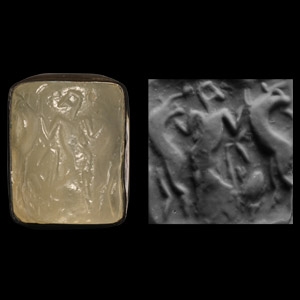
Akkadian Rock Crystal Cylinder Seal Section in Silver Ring
Early Dynastic III, 2nd millennium B.C.Sold for (Inc. bp): £624
Accompanied by a copy of an old scholarly slip, handwritten and signed by W.G. Lambert, late Professor of Assyriology, University of Birmingham, 1970-1993, which states: 'Half of Early Dynastic III / Akkad cylinder seal. Hero between two horned animals.'; supplied with a museum-quality impression. 26.88 grams, 34.05 mm overall, 17.73 mm internal diameter (approximate size British P 1/2, USA 7 3/4, Europe 16.86, Japan 16)
From the private collection of a North American lady, formed 1970s-early 1990s, with collection reference no.960. Accompanied by a copy of a scholarly slip, handwritten and signed by Professor Wilfrid George Lambert. This lot has been cleared against the Art Loss Register database, and is accompanied by an illustrated lot declaration signed by the Head of the Antiquities Department, Dr Raffaele D'Amato. -
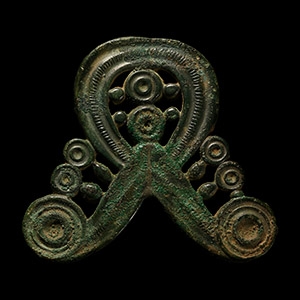
Western Asiatic Bronze Razor Handle
1st millennium B.C.Sold for (Inc. bp): £65
Flat-section openwork handle formed as a loop with roundel to each end and more roundels filling the void. 72.5 grams, 69 mm
From a private Essex collection, 1990s. This lot has been cleared against the Art Loss Register database, and is accompanied by an illustrated lot declaration signed by the Head of the Antiquities Department, Dr Raffaele D'Amato. -
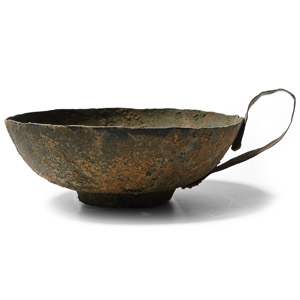
Achaemenid Bronze Handled Cup
6th-4th century B.C.Estimate: £100 - 140 (+bp*)
Opening Bid: £50
Comprising a wide shallow body with repoussé foot and separately applied strap handle. 50 grams, 12.6 cm
Acquired 1980-2015. Ex Abelita family collection. This lot has been cleared against the Art Loss Register database, and is accompanied by an illustrated lot declaration signed by the Head of the Antiquities Department, Dr Raffaele D'Amato.
