
Loading, please wait...
LOT 1327
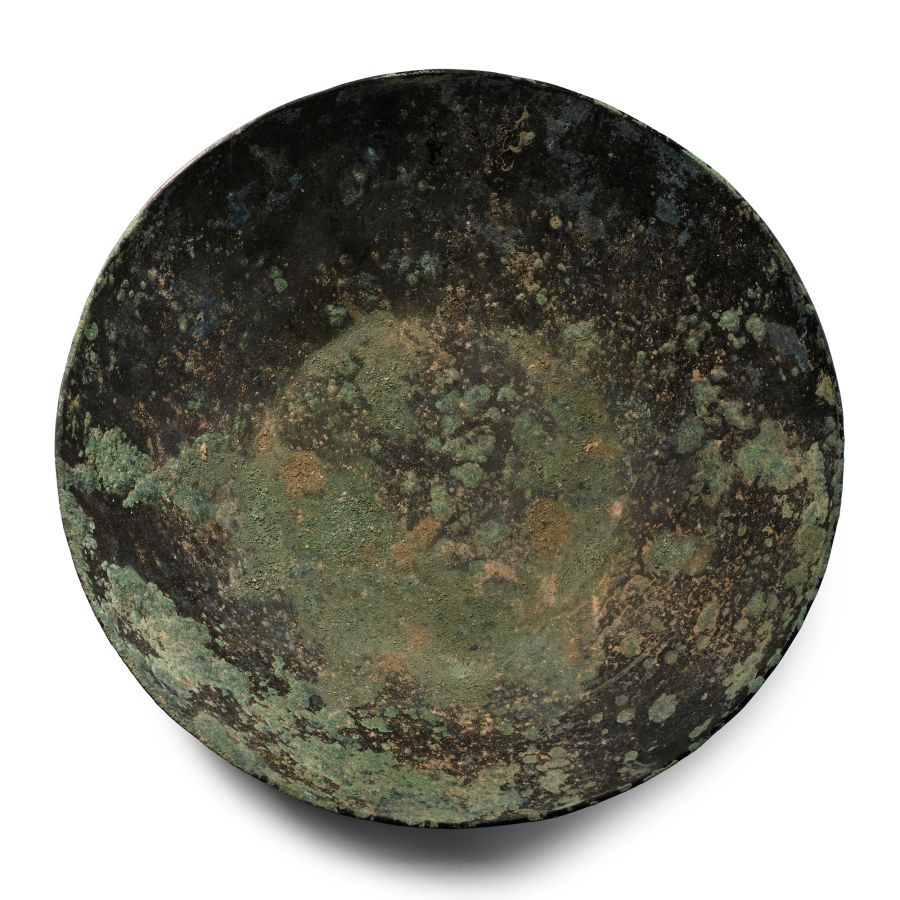
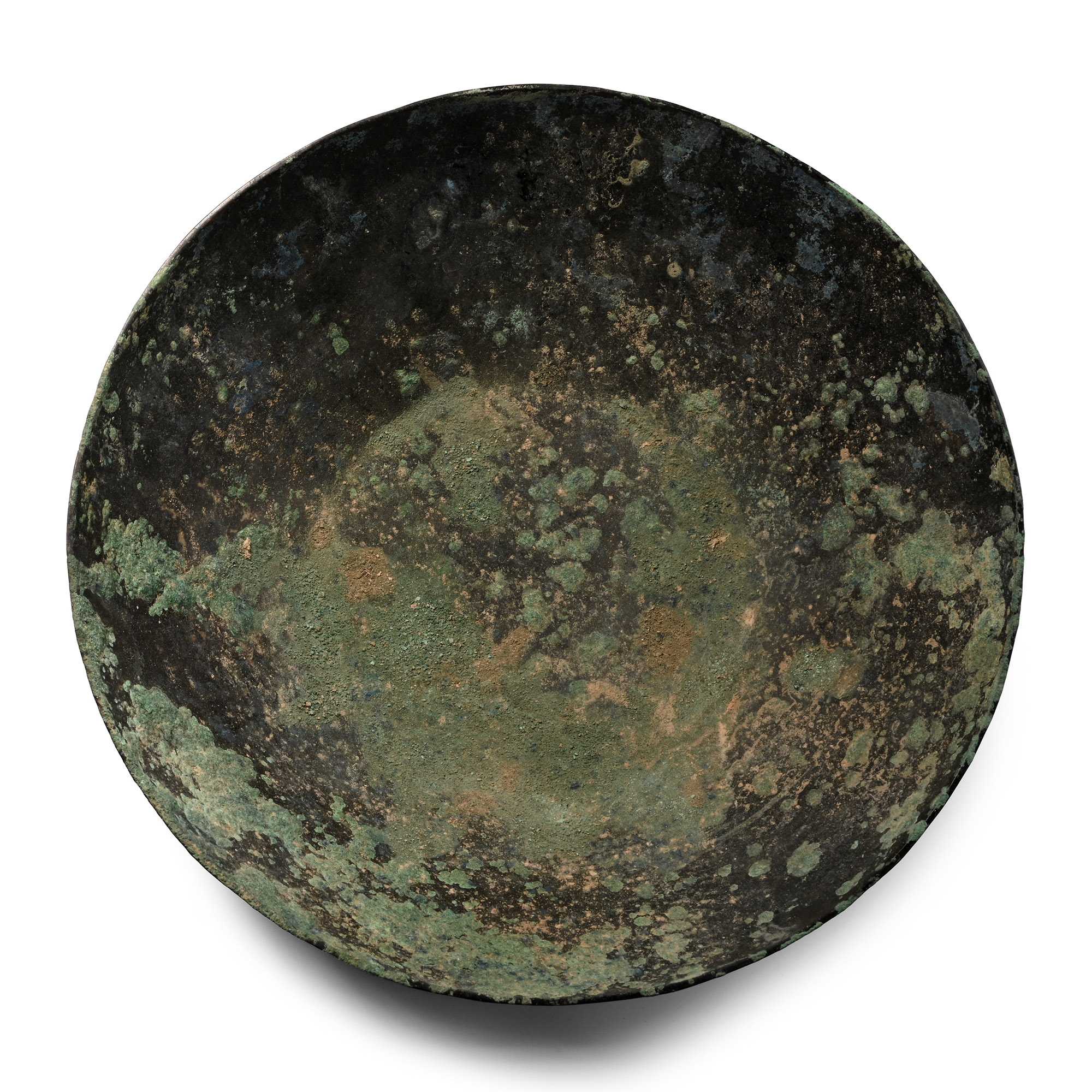
Western Asiatic Bronze Bowl
MID 1ST MILLENNIUM B.C.
8 in. (333 grams, 20.5 cm).
Broad and squat with tapering sidewall.
ProvenanceEx 1990s collection and with a central London gallery.
CONDITIONTimeLine Auctions follows a vetting process to ensure the authenticity and legality of all items, reinforcing our commitment to integrity and responsible trading. Each antiquity, antique, and coin lot undergoes thorough examination by a vetting committee of at least ten external specialists, professional trade association members, scientists, and archaeologists: Our Vetting Process
AUCTIONS:
TimeLine is a leading auction house specialising in antiquities, ancient art, collectables, natural history, coins, medals, and books. Our auctions offer museums, collectors, historians, and enthusiasts the opportunity to acquire unique and historically significant pieces.
-
.jpg)
Western Asiatic Bronze Ring with Aramaic Seal Gemstone
Late 1st millennium B.C.Sold for (Inc. bp): £143
Broad hoop with columnar bezel, beaded rim, inset later carnelian cloison with incised Aramaic text. 8.03 grams, 28.41 mm overall, 18.64 mm internal diameter (approximate size British Q, USA 8, Europe 17.49, Japan 16)
Ex London, UK, collection, early 2000s. -
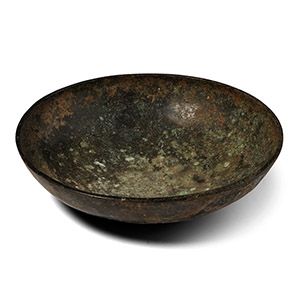
Western Asiatic Bronze Dish
Mid 1st millennium B.C.Estimate: £100 - 140 (+bp*)
Opening Bid: £50
Broad and shallow with lip to the inner face of the rim. 86 grams, 11.4 cm
Ex 1990s collection and with a central London gallery. -
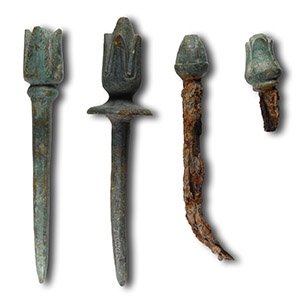
Achaemenid Bronze Flower Finial Collection
6th-4th century B.C.Sold for (Inc. bp): £260
Including two small buds with ferrous spikes and two larger blooms with square-section mounting pins. 687 grams total, 62-175 mm
Acquired on the European art market, 1990s. English private collection.
