
Loading, please wait...
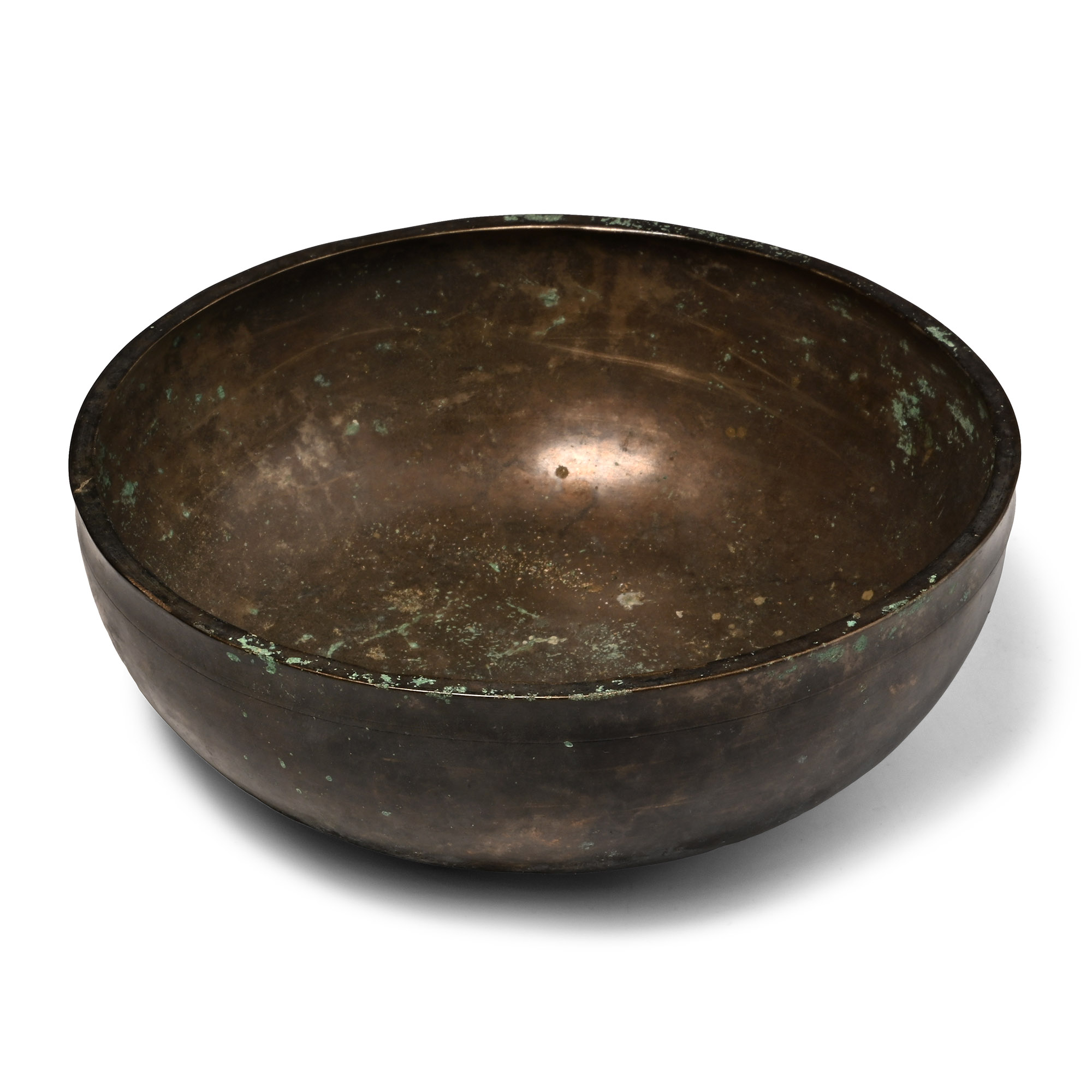
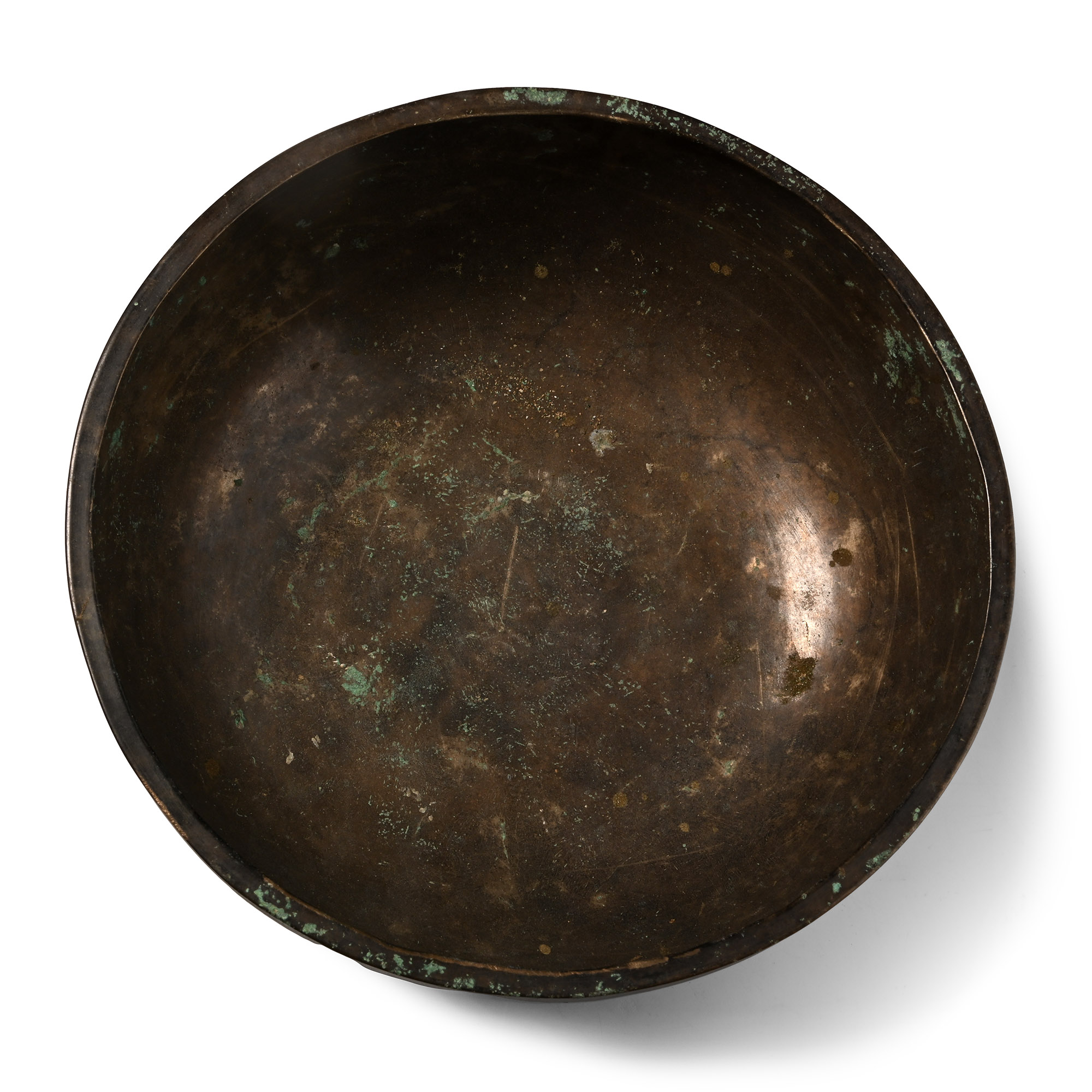
LOT 1196
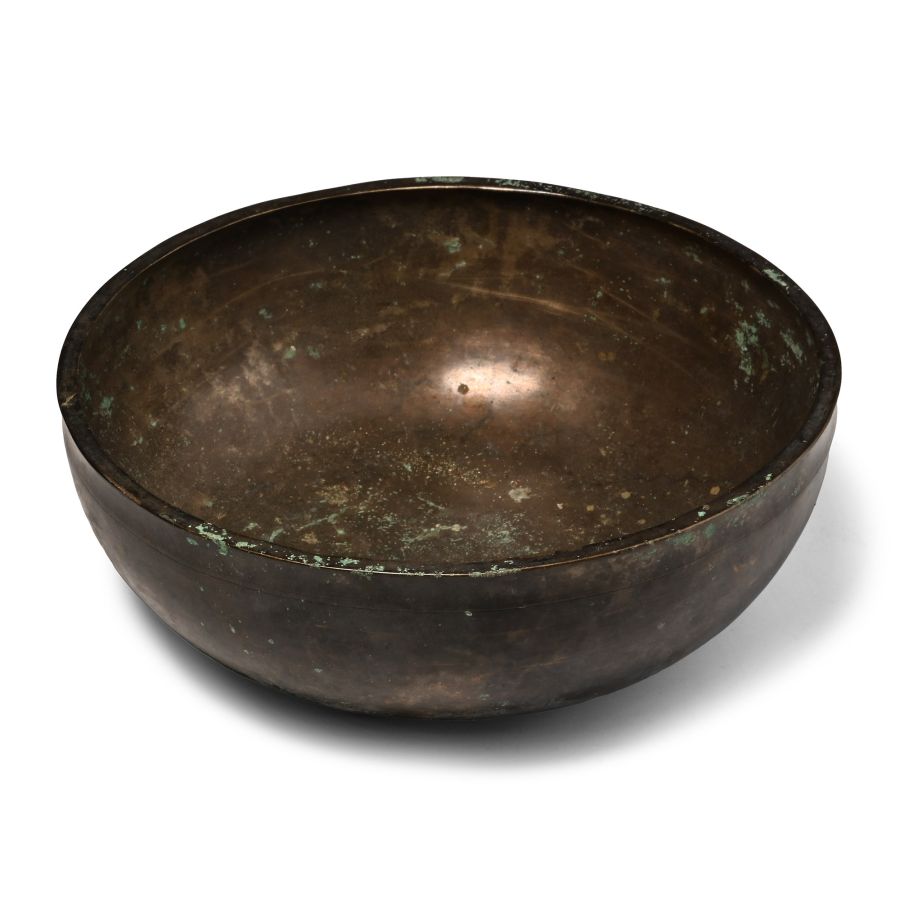
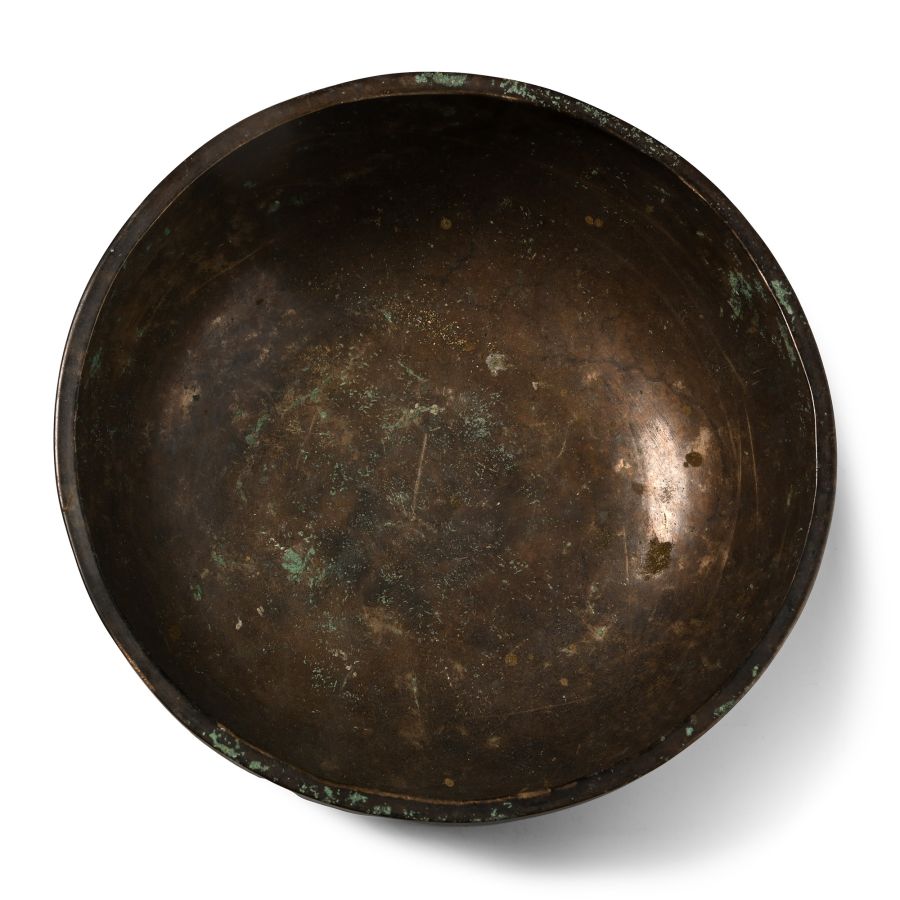
Western Asiatic Bronze Bowl
MID 1ST MILLENNIUM B.C.
5 5/8 in. (150 grams, 14.2 cm wide).
Broad and squat with lip to the inner edge of the rim.
ProvenanceEx 1990s collection and with a central London gallery.
CONDITIONTimeLine Auctions follows a vetting process to ensure the authenticity and legality of all items, reinforcing our commitment to integrity and responsible trading. Each antiquity, antique, and coin lot undergoes thorough examination by a vetting committee of at least ten external specialists, professional trade association members, scientists, and archaeologists: Our Vetting Process
AUCTIONS:
TimeLine is a leading auction house specialising in antiquities, ancient art, collectables, natural history, coins, medals, and books. Our auctions offer museums, collectors, historians, and enthusiasts the opportunity to acquire unique and historically significant pieces.
LOT 1196
Western Asiatic Bronze Bowl
Estimate £100 - 140€120 - 160 (for guidance only)$140 - 190 (for guidance only)
-
Western Asiatic Terracotta Goddess Astarte Figure
2nd millennium B.C.Sold for (Inc. bp): £286
Modelled with an hourglass figure, hands clasping her breasts, wearing a headdress, earrings, a necklace and bracelets, detailing to her public region and semi-naturalistic facial features; accompanied by a custom-made display stand. 137 grams total, 14.5 cm high including stand
Fine condition.
Acquired in the 1980s-1990s. Previously with Mansour Gallery, London W1. Property of a North West London gentleman. From the private collection of John Meredith, acquired since the 1990s; thence by descent. -
Western Asiatic Agate Bull's Head Pendant
1st millennium B.C.Sold for (Inc. bp): £208
Finely carved as a stylised bull's head with short horns and bulbous eyes, incised nostrils and mouth, perforated at the back of the neck for suspension. 28.9 grams, 40 mm
Ex property of the late Mr S.M., London, UK, 1969-1999, thence by descent. Accompanied by a previous typed cataloguing card. This lot has been cleared against the Art Loss Register database, and is accompanied by an illustrated lot declaration signed by the Head of the Antiquities Department, Dr Raffaele D'Amato. -
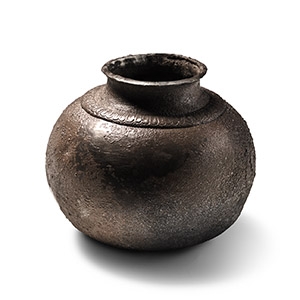
Achaemenid Silver Jar with Lotus Flower
Circa 500 B.C.Sold for (Inc. bp): £910
Squat in profile with basal disc, raised panel to the shoulder with lotus flower detailing, low neck and everted rim. 117 grams, 78 mm
London art market, 1980s-2000s. Private collection, London, UK.
