
Loading, please wait...
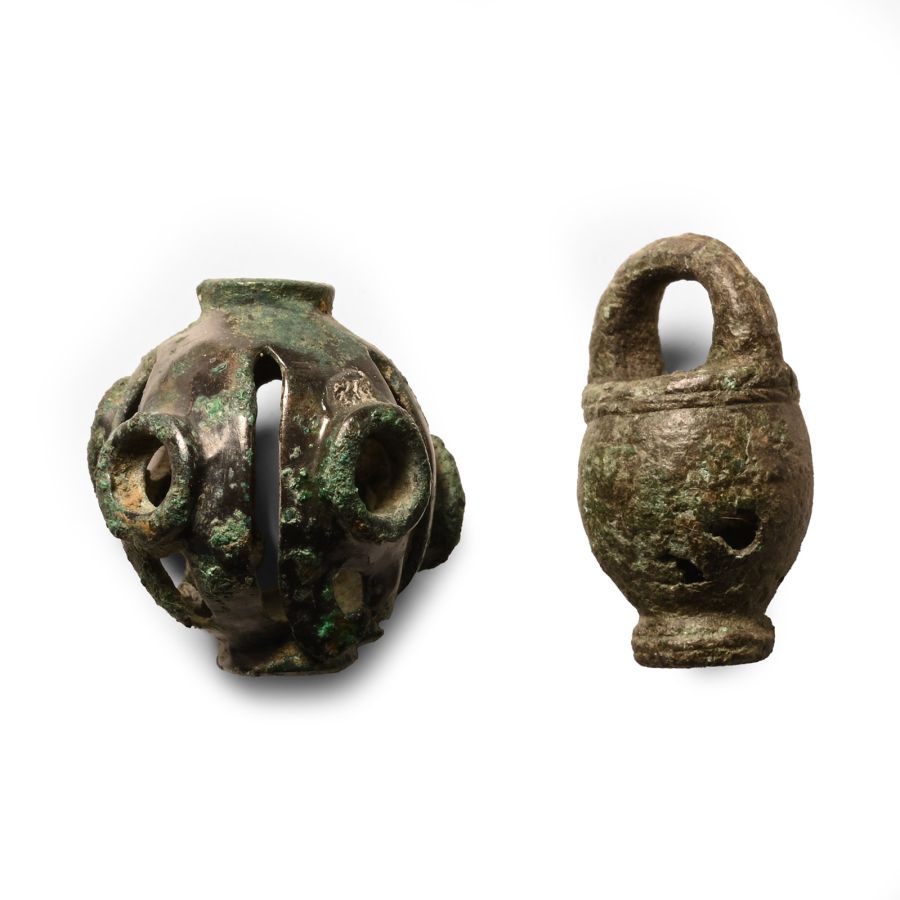
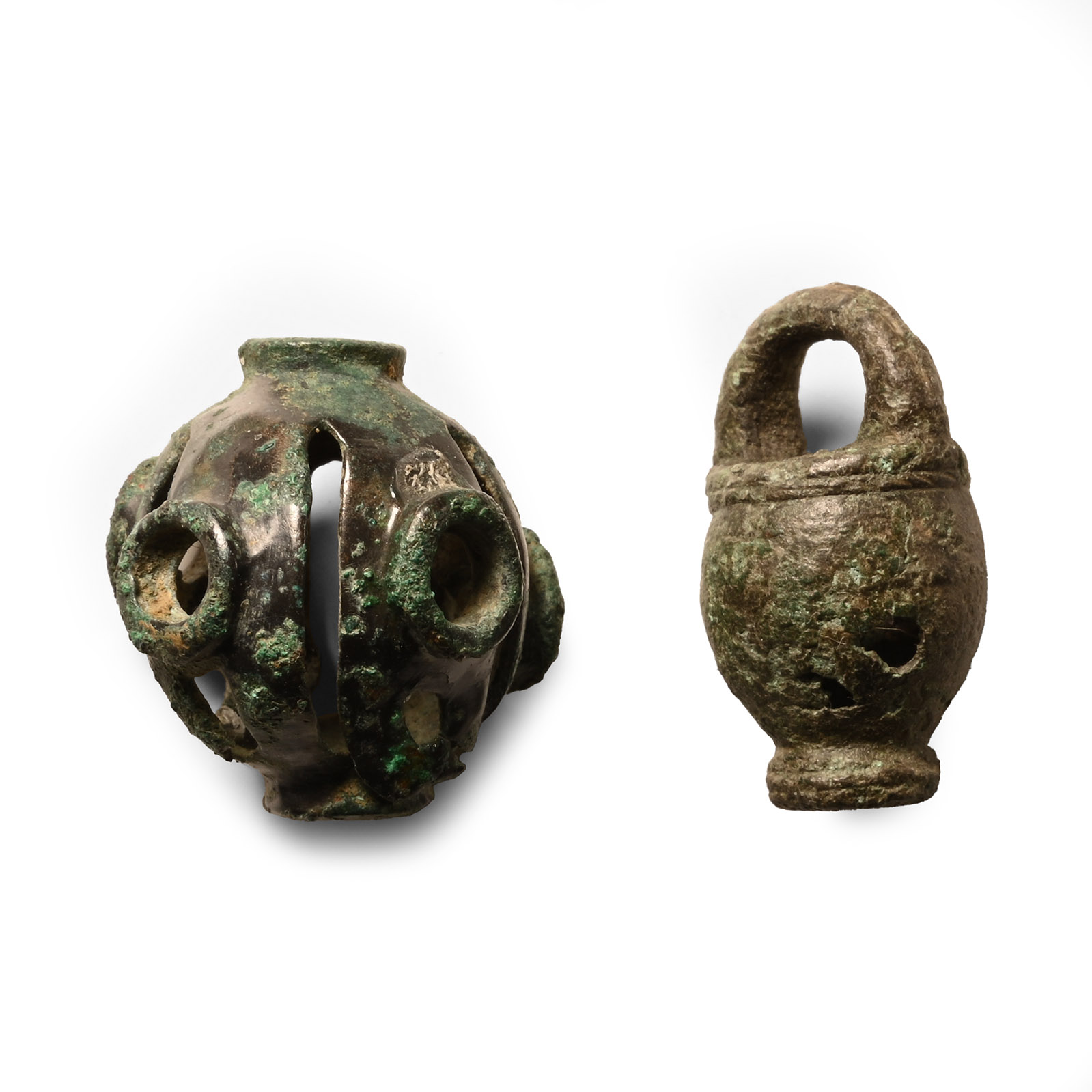
LOT 1088
Western Asiatic Bronze Bead Pendant Group
1ST MILLENNIUM B.C.
1 1/8 - 1 1/2 in. (36 mm total, 30-34 mm).
Comprising: one spherical with six radiating holes each with a socket, slots and triangular holes; one barrel-shaped with loop above. [2, No Reserve]
ProvenanceFrom a collection acquired on the UK art market from various auction houses and collections mostly before 2000.
From an important Cambridgeshire estate; thence by descent.
TimeLine Auctions follows a vetting process to ensure the authenticity and legality of all items, reinforcing our commitment to integrity and responsible trading. Each antiquity, antique, and coin lot undergoes thorough examination by a vetting committee of at least ten external specialists, professional trade association members, scientists, and archaeologists: Our Vetting Process
AUCTIONS:
TimeLine is a leading auction house specialising in antiquities, ancient art, collectables, natural history, coins, medals, and books. Our auctions offer museums, collectors, historians, and enthusiasts the opportunity to acquire unique and historically significant pieces.
-
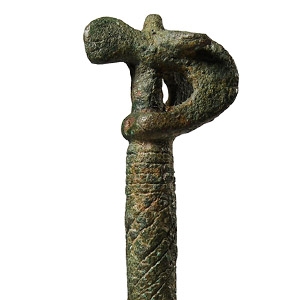
Large Western Asiatic Bronze Animal-Headed Cloak Pin
1st millennium B.C.Sold for (Inc. bp): £143
With barrel-shaped upper and tapering body, modelled with coil detailing around the upper body, tiered rings above and finial of an ibex's head with horns returned to form a collar; mounted on a custom-made stand. 347 grams total, 25.5 cm including stand
From a collection acquired on the UK art market from various auction houses and collections mostly before 2000. From an important Cambridgeshire estate; thence by descent. -
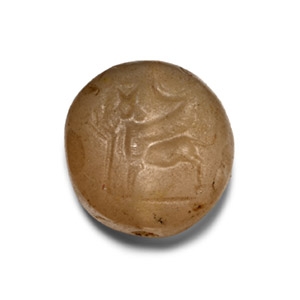
Neo Assyrian Rock Crystal Stamp Seal with Sphinx
8th-6th century B.C.Sold for (Inc. bp): £468
Tabular in form with transverse piercing, underside with intaglio winged sphinx beneath a crescent; supplied with a museum-quality impression. 6.5 grams, 21 mm
Ex S. collection, London, UK, 1980s-2000s. Accompanied by a previous illustrated catalogue slip. -
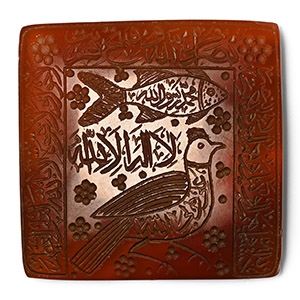
Qajar Plaque with Kufic Inscription
19th-20th century A.D.Sold for (Inc. bp): £98
Square in plan with slightly domed obverse, image of fish and bird with Kufic text and pellet clusters, border with text and rosettes. 49.8 grams, 50 x 49 mm
with a London, UK gallery, 1971-early 2000s.
