
Loading, please wait...
LOT 1152
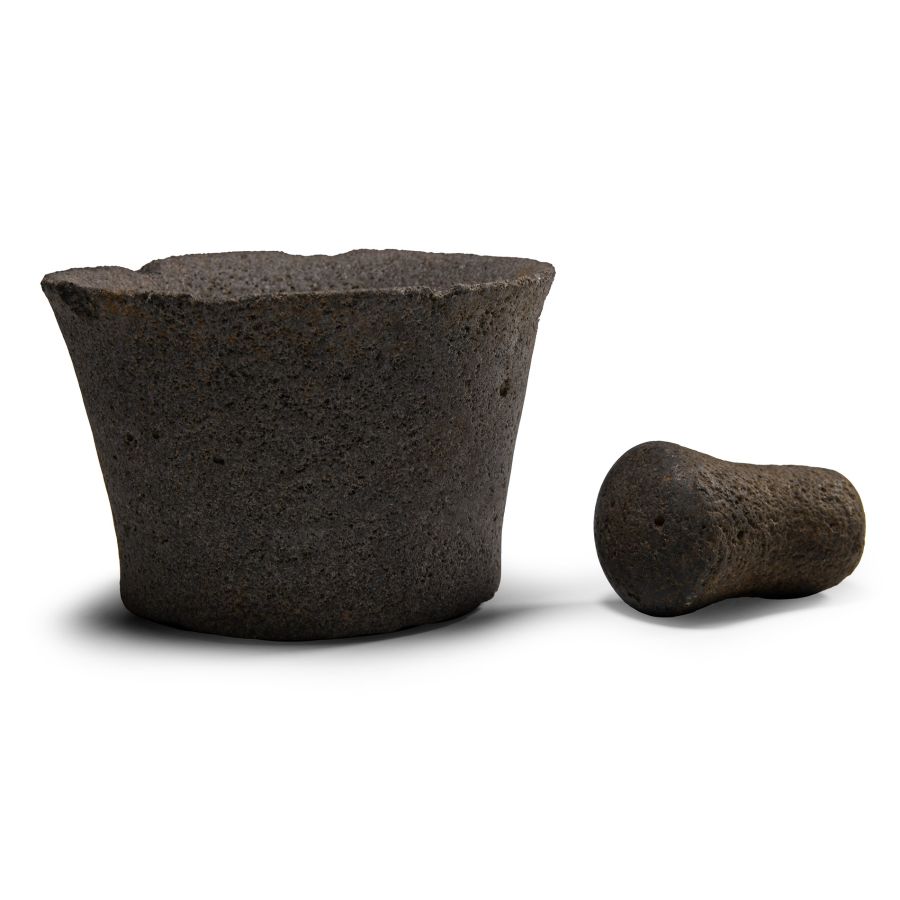
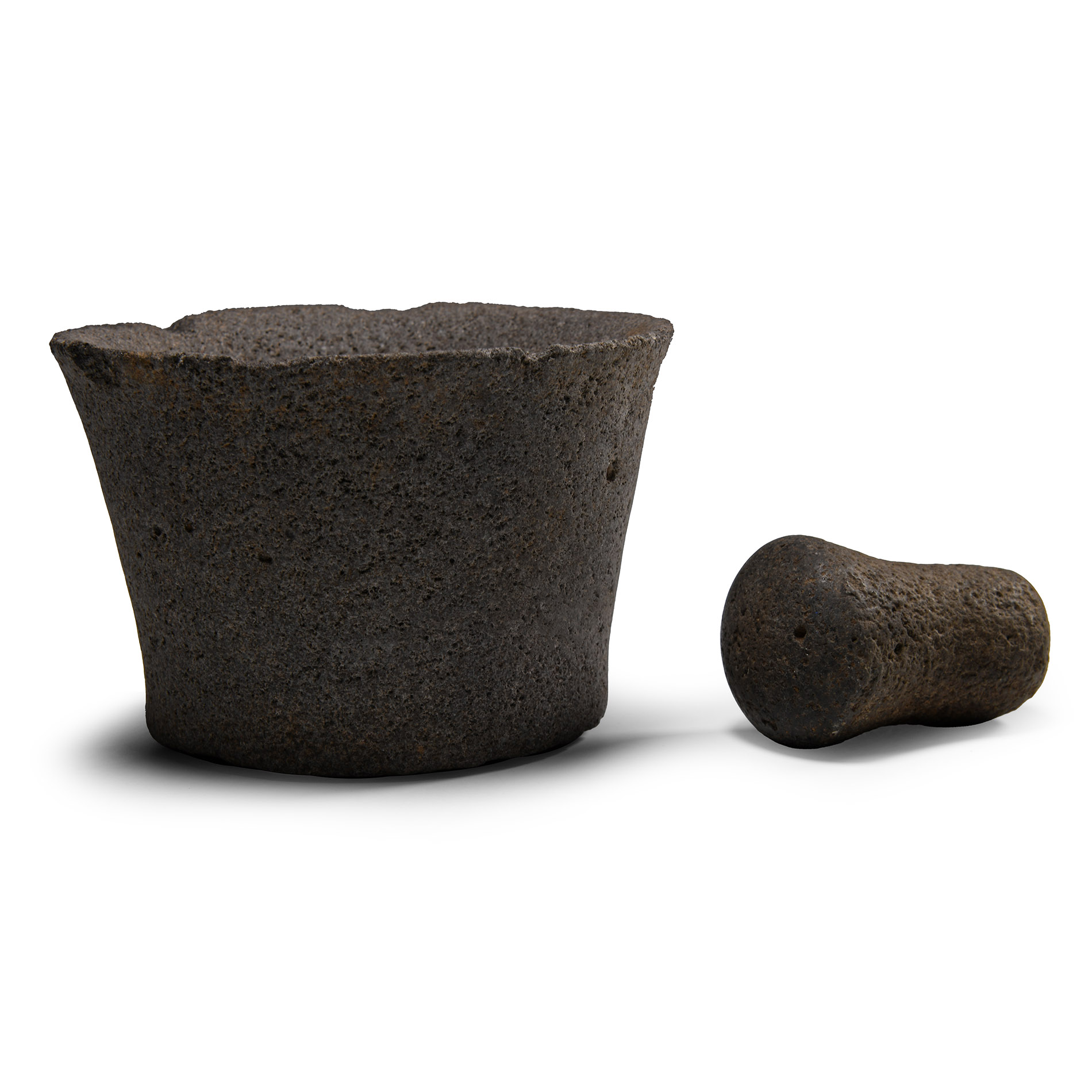
Western Asiatic Basalt Mortar and Pestle
1ST MILLENNIUM B.C.
2 1/4 - 4 1/4 in. (852 grams total, 5.8-11 cm).
Squat mortar with slightly everted rim, stub pestle with rounded grinding face. [No Reserve]
ProvenanceFrom a collection acquired on the UK art market from various auction houses and collections mostly before 2000.
From an important Cambridgeshire estate; thence by descent.
TimeLine Auctions follows a vetting process to ensure the authenticity and legality of all items, reinforcing our commitment to integrity and responsible trading. Each antiquity, antique, and coin lot undergoes thorough examination by a vetting committee of at least ten external specialists, professional trade association members, scientists, and archaeologists: Our Vetting Process
AUCTIONS:
TimeLine is a leading auction house specialising in antiquities, ancient art, collectables, natural history, coins, medals, and books. Our auctions offer museums, collectors, historians, and enthusiasts the opportunity to acquire unique and historically significant pieces.
-
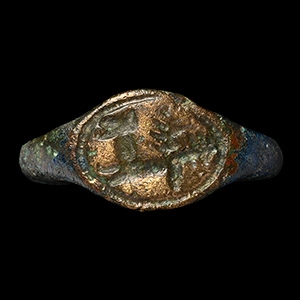
Western Asiatic Bronze Ring with Stag
Mid 1st millennium B.C.Sold for (Inc. bp): £26
With broad shank and ellipsoid bezel, incuse profile stag within a cartouche. 6.90 grams, 27.45 mm overall, 18.22 mm internal diameter (approximate size British P 1/2, USA 7 3/4, Europe 16.86, Japan 16)
UK private collection before 2000. Acquired on the UK art market. Property of a London gentleman. -
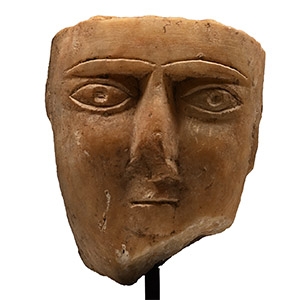
South Arabian Alabaster Head of a Woman
1st century B.C.-1st century A.D.Sold for (Inc. bp): £1,170
Carved in the half-round, the eyes with drilled pupils to accept inserts; mounted on a custom-made display stand. 3.49 kg total, 22.5 cm high including stand
From the collection of Dr Mohammed Saïd Farsi (1936-2019), acquired between 1960-1990 at Christie's, Sotheby's and Mayfair galleries.
The eyes of these beautiful statues were inlaid with blue glass or lapis lazuli. These portraits could have been inserted in a funerary stele, but most probably this portrait comes from a statue similar to the 'Myriam of Tamna', as can be understood from the flat back, to which braided hair in plaster was probably attached. -
.jpg)
Western Asiatic Mixed Stone and Glass Necklace Bead Collection
1st millennium B.C. and laterSold for (Inc. bp): £234
Comprising a quantity of small beads, in mixed shapes, colours and materials; each pierced for stringing. 88 grams total, 1-15 mm
UK gallery, early 2000s.
