
Loading, please wait...
LOT 1268
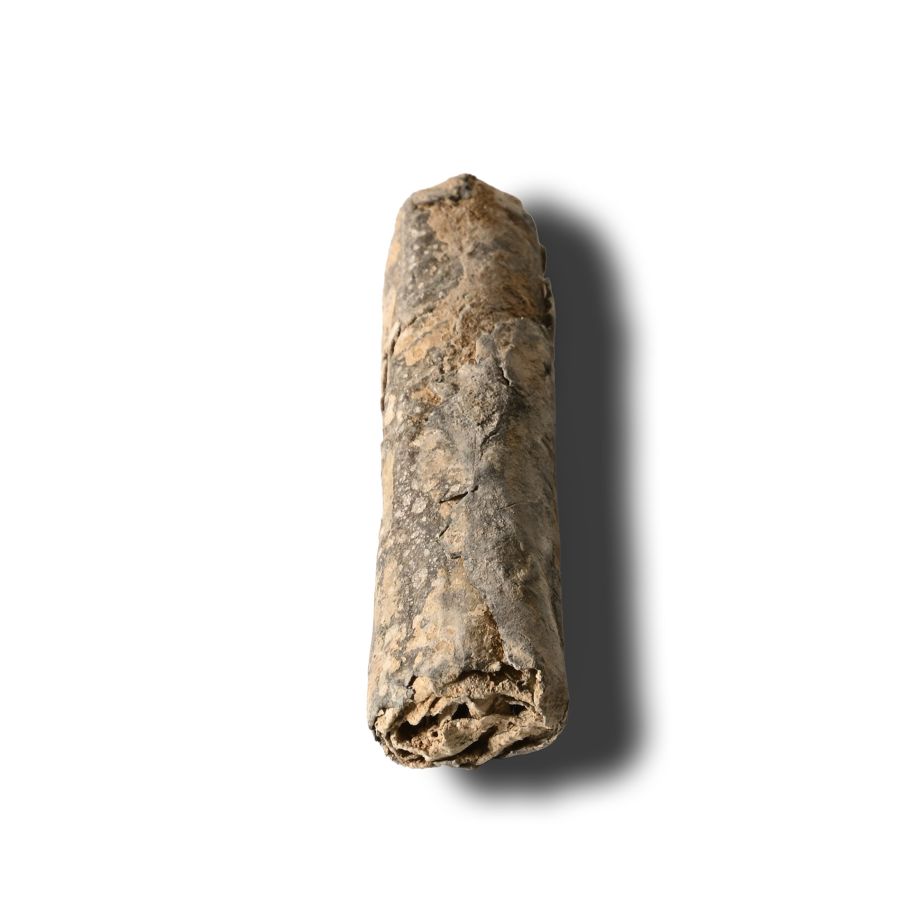
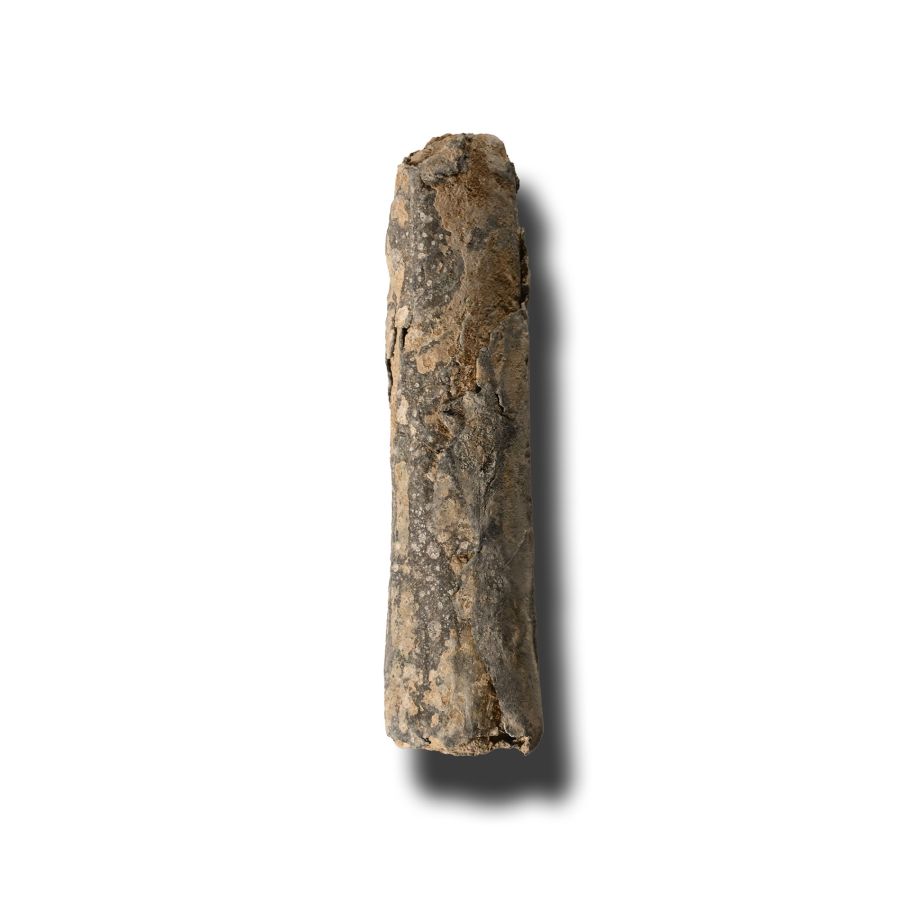
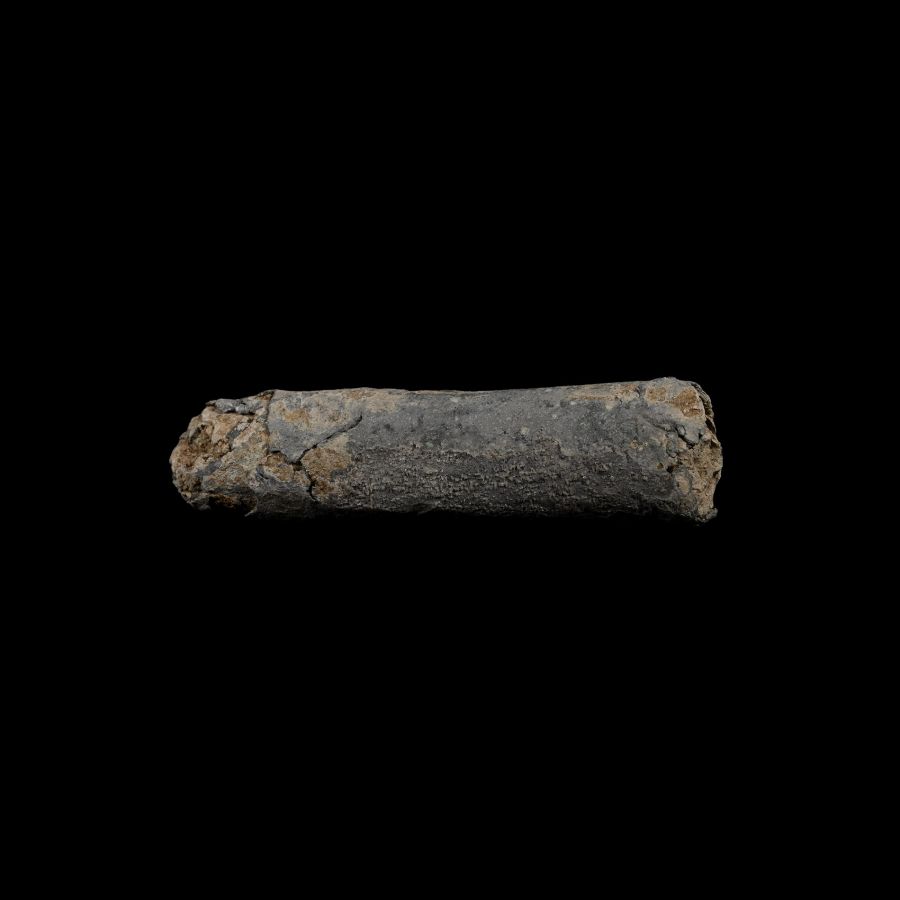
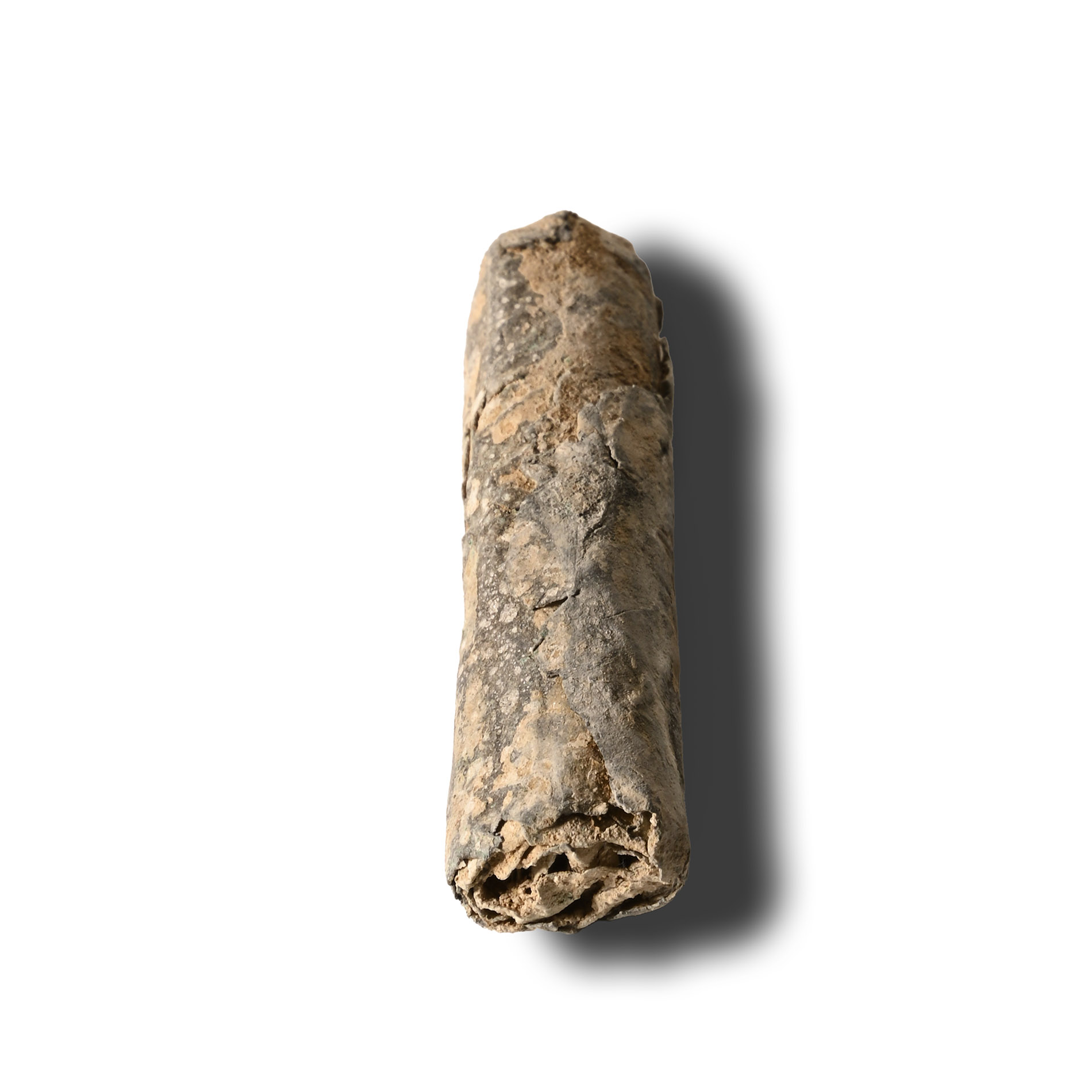
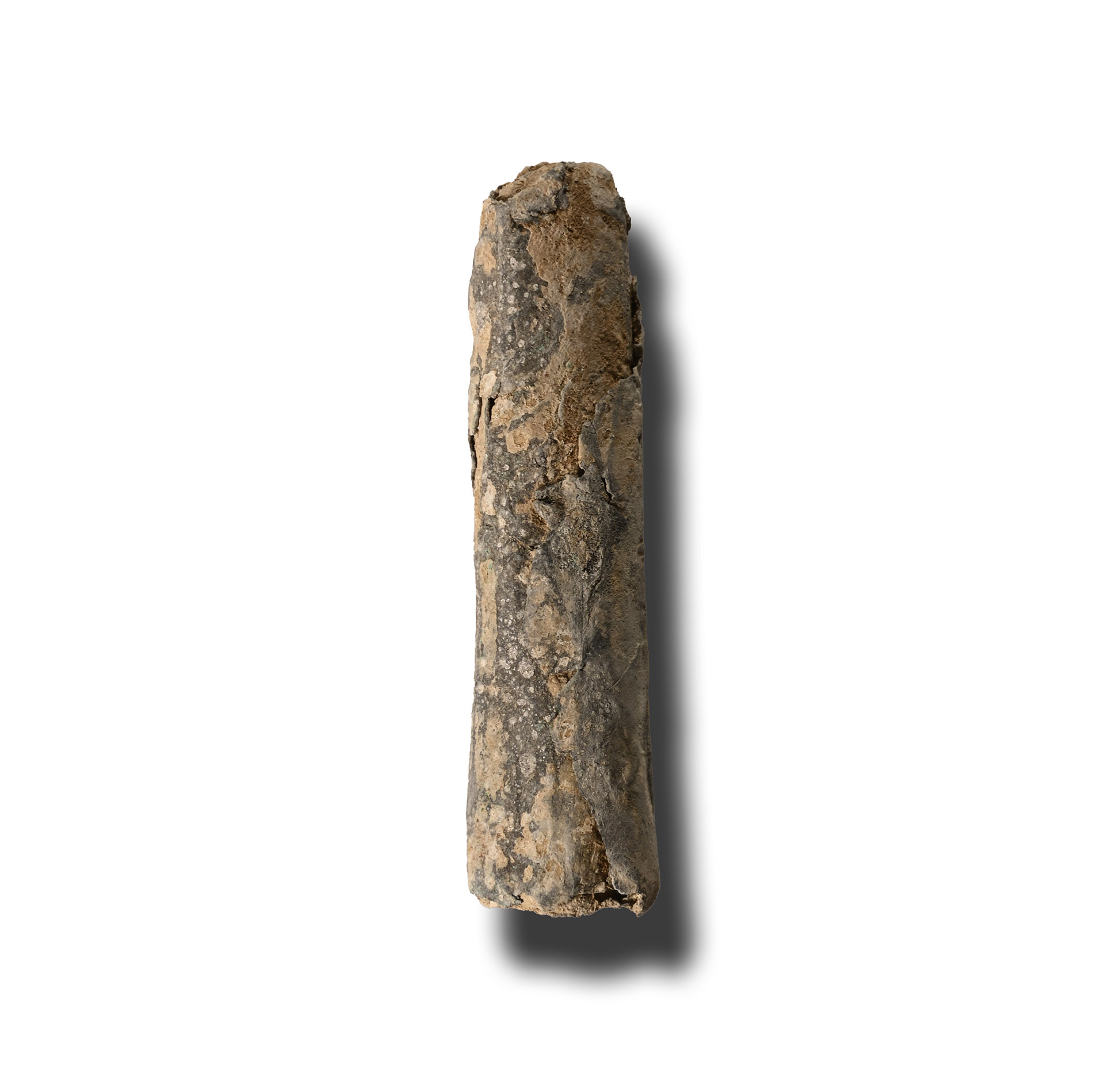
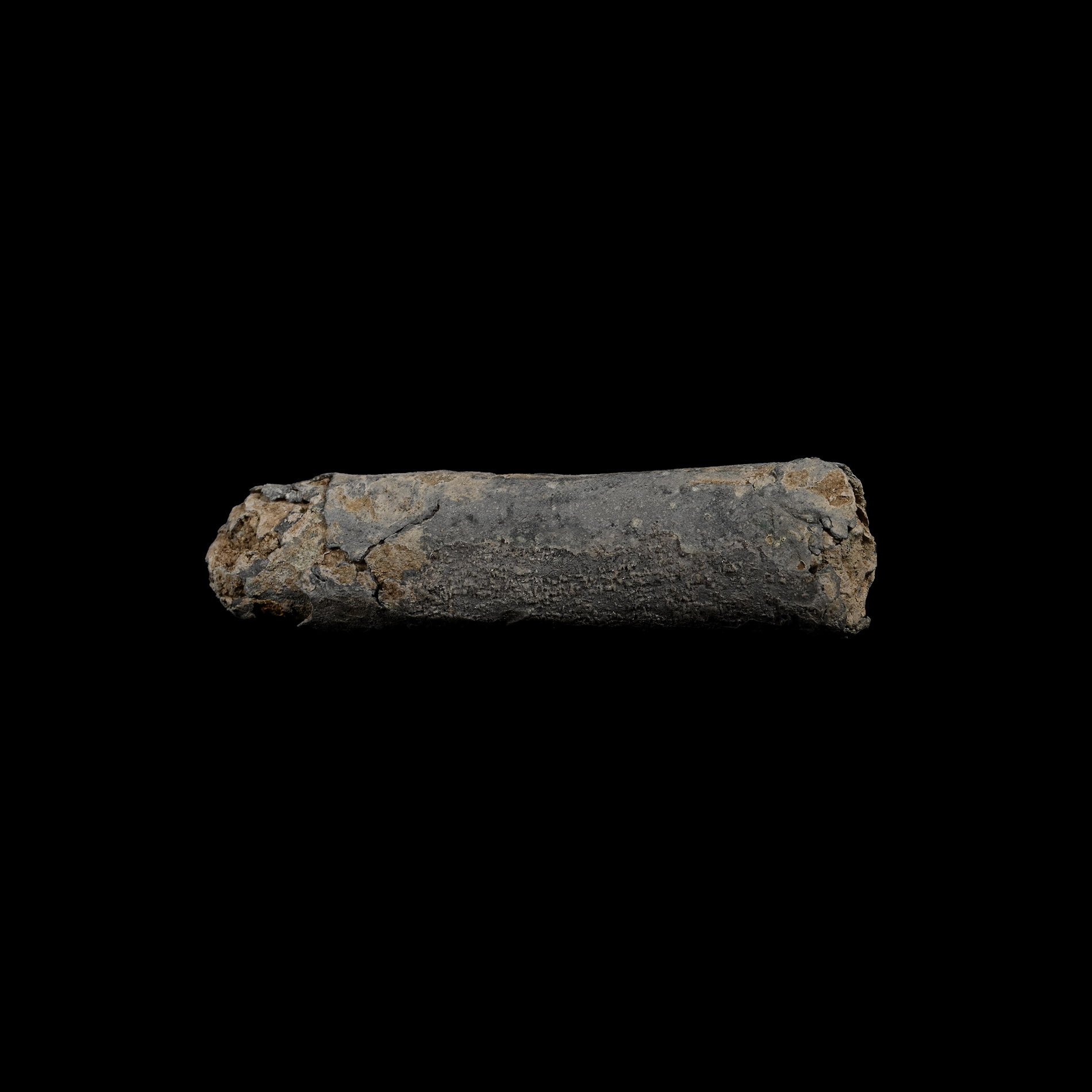
Western Asiatic Aramaic Lead Scroll with Magical Text
2ND-8TH CENTURY A.D.
2 1/4 in. (31 grams, 58 mm).
A rectangular lead sheet rolled into a tight scroll with the text to the inner face.
ProvenanceCollected from 1970-1999.
From the collection of the late Mr S.M., London, UK.
This lot has been cleared against the Art Loss Register database, and is accompanied by an illustrated lot declaration signed by the Head of the Antiquities Department, Dr Raffaele D'Amato.
The item was possibly meant to be what the Romans called a defixio or 'curse tablet', on which the magical malediction was recorded and then shut away (by being tightly rolled up) so that the victim could not find it or change it.
CONDITIONTimeLine Auctions follows a vetting process to ensure the authenticity and legality of all items, reinforcing our commitment to integrity and responsible trading. Each antiquity, antique, and coin lot undergoes thorough examination by a vetting committee of at least ten external specialists, professional trade association members, scientists, and archaeologists: Our Vetting Process
AUCTIONS:
TimeLine is a leading auction house specialising in antiquities, ancient art, collectables, natural history, coins, medals, and books. Our auctions offer museums, collectors, historians, and enthusiasts the opportunity to acquire unique and historically significant pieces.
-
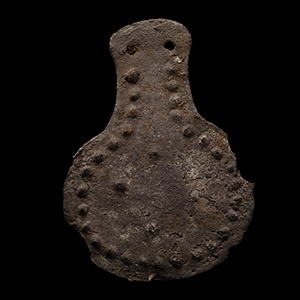
Early Bronze Age Silver Idol
Circa 2800-2100 B.C.Sold for (Inc. bp): £195
With round female body and short neck, depicted armless, perforated with two parallel holes at the top for suspension; the edges and the centre embossed with dots. 6.87 grams, 63 mm
From a private family collection formed since the early 19th century, thence by descent. Property of a New Zealand legal professional. Accompanied by an academic report by Dr Raffaele D’Amato. This lot has been checked against the Interpol Database of stolen works of art and is accompanied by search certificate number no.12319-223722. This lot has been cleared against the Art Loss Register database, and is accompanied by an illustrated lot declaration signed by the Head of the Antiquities Department, Dr Raffaele D'Amato.
These idols have a broad chronological and spatial range, with late variants known from Late Chalcolithic and Early Bronze Age burial contexts in central Europe and Western Asia. Some of these idols have round bodies, and heads in the form of tabs. They developed from the earlier stone idols, leading to the representation of the human form becoming even more stylised when crafted in silver or copper. -
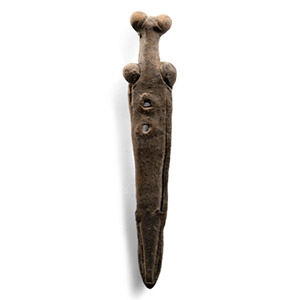
Western Asiatic Votive Terracotta Dagger
1st century B.C.Estimate: £400 - 600 (‡+bp*)
Opening Bid: £180
Model dagger with two-lobed pommel and similar guard, applied bands to the scabbard, two attachment points. 5.83 grams, 88 mm
Japanese private collection, assembled in the 1990s. Acquired from the above in 2010. European private collection. This lot has been cleared against the Art Loss Register database, and is accompanied by an illustrated lot declaration signed by the Head of the Antiquities Department, Dr Raffaele D'Amato. -
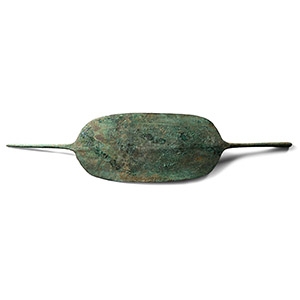
Luristan Bronze Girdle
2nd-1st millennium B.C.Sold for (Inc. bp): £117
Comprising a flat ellipsoid plaque and rod to each end. 136 grams, 31 cm
Acquired in the 1990s. Ex Abelita family collection. This lot has been cleared against the Art Loss Register database, and is accompanied by an illustrated lot declaration signed by the Head of the Antiquities Department, Dr Raffaele D'Amato.
